Living in an apartment doesn’t mean you have to forgo composting. Even without a backyard, you can contribute to reducing waste and nurturing the environment through apartment composting. Whether you’re a seasoned composter or new to the idea, this guide will help you understand the benefits and methods of composting in an apartment. Apartment Composting: Why Compost in an Apartment?…
In the world of gardening, achieving lush, healthy plants without relying on synthetic chemicals is a rewarding pursuit. One of the best ways to nurture your garden naturally is by using liquid organic fertilizers. These fertilizers provide a nutrient-rich boost to your plants, promoting strong growth, vibrant blooms, and bountiful harvests. The best part? You can easily make them at…
Planting plants that attract beneficial insects is crucial in organic gardening because these insects act as natural pest controllers, reducing the need for chemical pesticides. Beneficial insects, such as ladybugs, bees, and predatory wasps, help manage harmful pests like aphids and caterpillars by preying on them or assisting in pollination, which improves crop yield. By fostering a habitat that supports…
When we think of insects in the garden, our minds often jump to pests that munch on leaves, fruits, and flowers. But not all insects are foes. In fact, many are friends that can play a crucial role in maintaining the health and vitality of your organic garden. Beneficial insects like bees, ladybugs, and lacewings are nature’s pest controllers and…
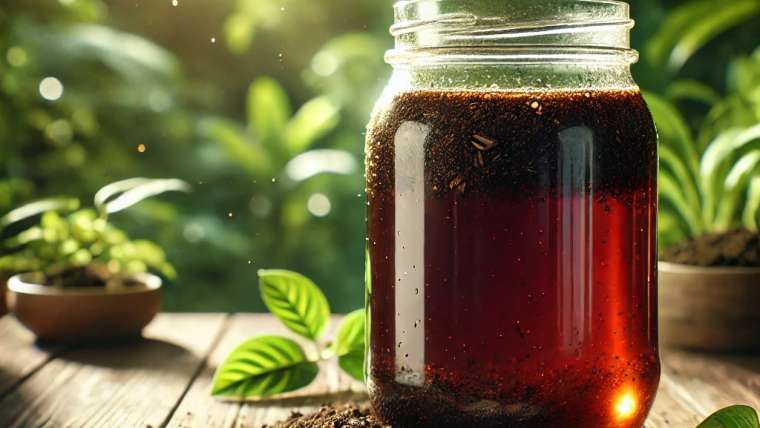
Gardening enthusiasts are always on the lookout for natural ways to nourish their plants and enhance soil health. One such method is the use of organic compost tea—a nutrient-rich solution that acts as a powerful fertilizer, promoting vigorous plant growth and improving soil structure. In this article we’ll explore what compost tea is, how to brew it, and how to…
Gardening isn’t just about planting seeds and watering plants; it’s also about creating a thriving ecosystem where all living organisms play their part. While pests can be a nuisance, many insects are your garden’s best friends, helping with pollination, pest control, and overall plant health. Here’s a list of the top 10 beneficial insects you should attract to your garden…
One of the very best kept secrets to creating healthy garden beds and soil in general, is utilizing our leaves through a process called leaf mold or leaf compost. This natural process involves decomposing fallen leaves, transforming them into a nutrient-rich, soil-like material that enhances soil structure, retains moisture, and promotes the growth of beneficial organisms, making it an excellent…
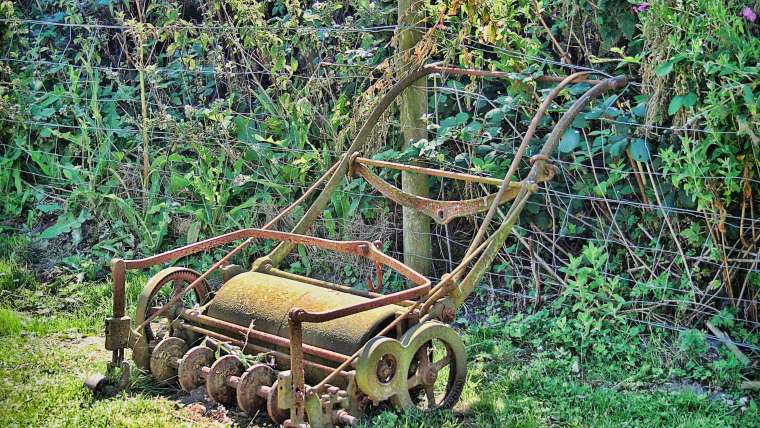
A lawn roller is an essential tool for achieving a smooth, even lawn, particularly after seeding, sodding, or fertilizing. It helps press the seeds or sod into the soil, ensuring better contact for improved germination and root establishment. Additionally, using a lawn roller after winter or heavy rain can repair minor soil imperfections and smooth out uneven ground caused by…
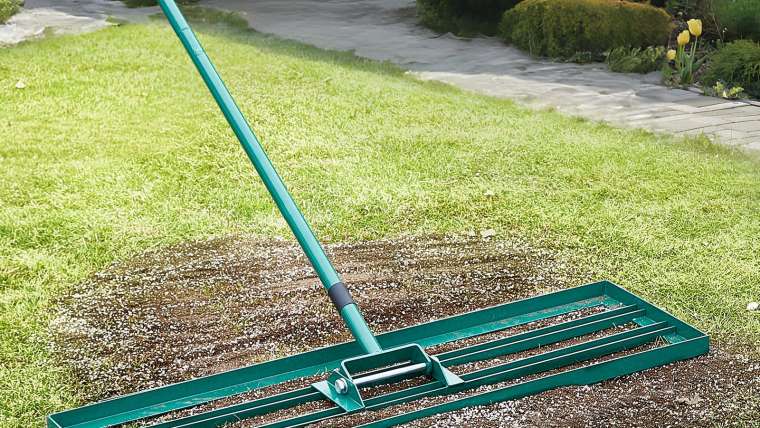
A lawn leveler is a specialized tool designed to smooth and level uneven areas of your lawn, ensuring a consistent and even surface. It typically features a flat, broad base that efficiently distributes soil and other materials across the lawn, making it easier to fill in low spots and create a uniform appearance. Using a lawn leveling rake not only…
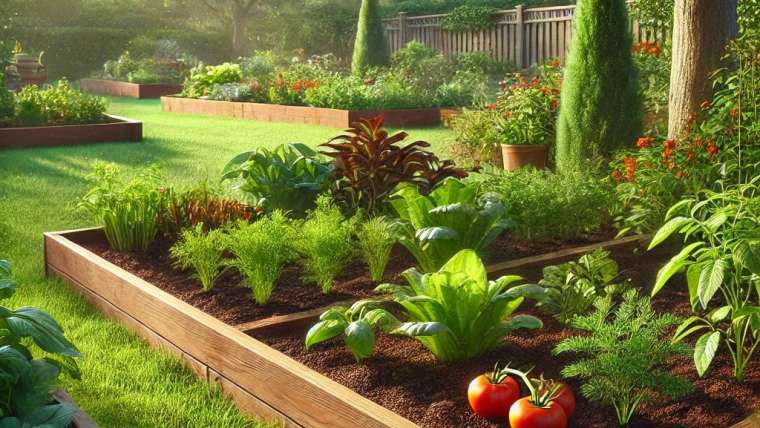
Raised garden beds are a gardener’s best friend, offering a range of benefits such as improved soil drainage, reduced weed pressure, and easier access for planting and harvesting. However, the success of your raised garden bed largely depends on the quality and composition of the soil you use to fill it. How to Fill a Raised Garden Bed In this…