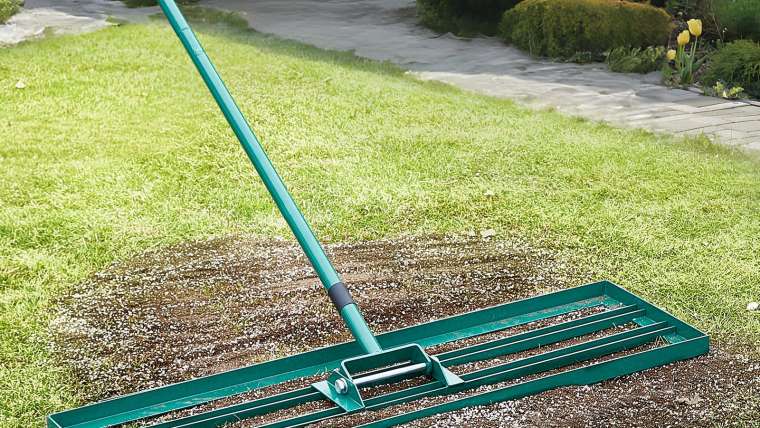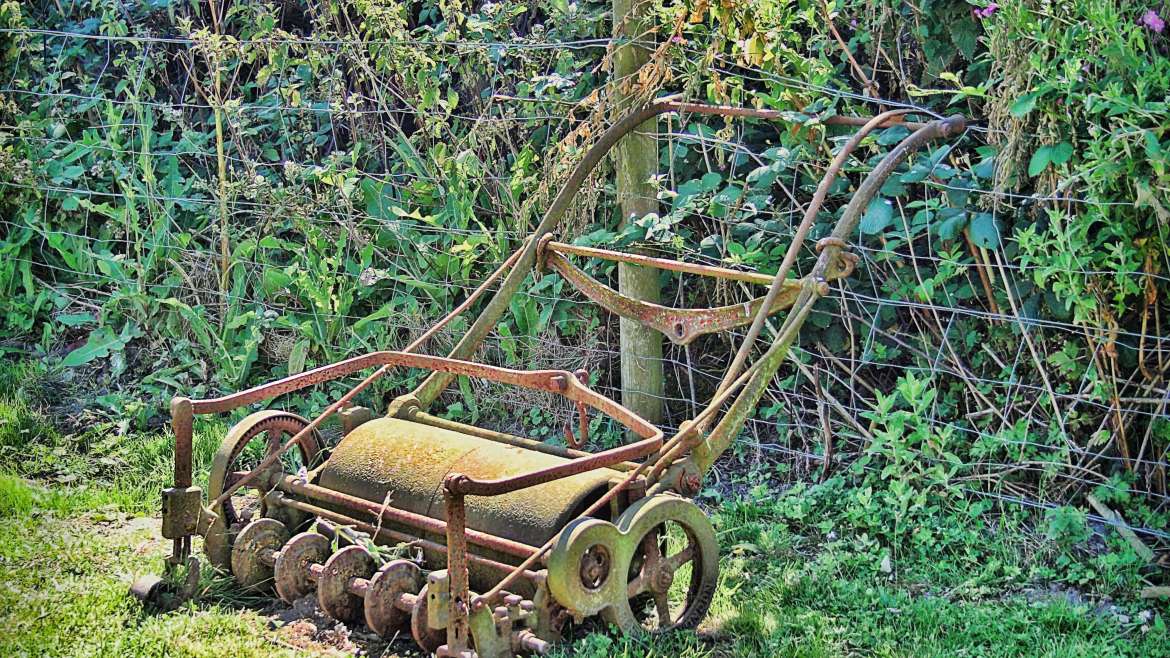
A lawn roller is an essential tool for achieving a smooth, even lawn, particularly after seeding, sodding, or fertilizing.
It helps press the seeds or sod into the soil, ensuring better contact for improved germination and root establishment.
Additionally, using a lawn roller after winter or heavy rain can repair minor soil imperfections and smooth out uneven ground caused by frost heave or mole activity.
This not only enhances the lawn’s appearance but also makes it easier to mow and maintain, promoting healthy, lush grass growth.
All About Lawn Rollers

A lawn roller is a useful tool in lawn care, often used to help maintain a smooth, even lawn surface. Below is a breakdown of why, how, and when to use a lawn roller.
Why Use a Lawn Roller
- Smooth Out Uneven Ground: A lawn roller can help level small bumps and dips in your lawn, making it smoother and more uniform.
- Improve Seed-to-Soil Contact: After sowing grass seed, rolling helps press the seeds into the soil, improving seed-to-soil contact and promoting better germination.
- Repair Lawn Damage: If your lawn has been damaged by frost heaving, animal activity, or other disturbances, a lawn roller can help flatten the affected areas.
- Lay New Sod: Rolling newly laid sod helps it establish good contact with the soil underneath, which is essential for proper rooting.
- Prepare the Ground for Mowing: A smoother lawn surface makes mowing easier and reduces the risk of scalping or damaging the lawnmower.
How to Use a Lawn Roller
- Choose the Right Roller: Lawn rollers come in various sizes and can be filled with water or sand to adjust the weight. Use a lighter roller for delicate tasks like seed pressing and a heavier one for flattening uneven ground.
- Prepare the Lawn: Before rolling, mow the grass and lightly water the lawn if the ground is too hard. Remove any debris or rocks that could interfere with the rolling process.
- Roll in Multiple Directions: Start by rolling the lawn in one direction, then roll again at a 90-degree angle to ensure even coverage. Overlap your passes to avoid missing any spots.
- Check for Results: After rolling, check the lawn for any remaining bumps or uneven areas. If necessary, repeat the process or add more soil to low spots before rolling again.
When to Use a Lawn Roller
- After Seeding or Overseeding: Use a lawn roller after spreading grass seed to improve germination by ensuring the seeds have good contact with the soil.
- After Laying Sod: Immediately after laying sod, roll the lawn to press the sod into the soil and eliminate air pockets, which can hinder rooting.
- In Early Spring: Rolling can be particularly effective in early spring when the soil is moist and soft, allowing for better flattening and leveling of any frost-heaved areas.
- Post-Winter Recovery: After winter, when the ground has thawed and dried slightly, rolling can help repair any frost heaving or damage caused by snow and ice.
Caution
- Avoid Overuse: Rolling a lawn too frequently or when the soil is too wet can lead to soil compaction, which hinders root growth and water infiltration. Roll only when necessary and avoid rolling on saturated soil.
- Adjust Roller Weight: Use the appropriate roller weight for your task. Too much weight can compact the soil excessively, while too little may not effectively smooth out the lawn.
Where to Buy Lawn Rollers
You can buy lawn rollers from various places, including home improvement stores like Home Depot and Lowe’s, garden centers, and online retailers such as Amazon.
For online shopping, Amazon has a wide selection of lawn rollers with options that cater to different needs and budgets. Some recommended options include:
- Agri-Fab 45-0267 18” x 24” Poly Push & Tow Behind Lawn Roller – This model is lightweight when empty but can be filled with water or sand to provide up to 400 pounds of weight, making it effective for smoothing out lawns.
- Brinly PRC-241BH 270-Pound Combination Push/Tow Poly Lawn Roller – This roller offers flexibility as it can be used as either a push roller or a tow-behind roller. It has a 24-inch rolling width and can hold up to 28 gallons of water, providing about 270 pounds of rolling weight. It’s also designed to prevent lawn damage with smoothed drum ends.
- Ohio Steel 42SWP22 Sweeper Spiral Brush, 42″/22 cu. ft. – For those with larger or heavily damaged lawns, this heavy-duty roller might be the best option. It has a large 42-inch rolling swath.
Lawn Roller FAQ
A lawn roller is used to flatten uneven ground, press down newly planted seeds, or smooth out the soil after aeration. It can also help eliminate air pockets and create a smooth, level lawn surface.
Consider the size of your yard and the type of roller (manual, tow-behind) you need. For small lawns, a manual roller may suffice, while larger lawns may require a tow-behind roller that can be attached to a lawn tractor.
Steel rollers are more durable and heavier, making them ideal for tougher jobs. Poly rollers are lighter, rust-resistant, and easier to maneuver, making them suitable for regular lawn maintenance.
Most lawn rollers have a fill plug that can be removed to add water or sand. Ensure the roller is on a flat surface, remove the plug, and use a hose for water or a funnel for sand to fill the roller. Replace the plug securely before using the roller.
Yes, using a lawn roller on newly seeded grass helps to press the seeds into the soil, ensuring better seed-to-soil contact, which can improve germination.
After each use, clean off any dirt or debris and store the roller in a dry place. If your roller is water-filled, empty it before winter to prevent freezing and potential damage.
It is not necessary to roll your lawn every year. Overuse of lawn rollers can lead to soil compaction, which can negatively affect grass growth. Use a roller only when needed.
Sign up to get our FREE weekly emails
Gardening guides, tips, & videos delivered right to your inbox!