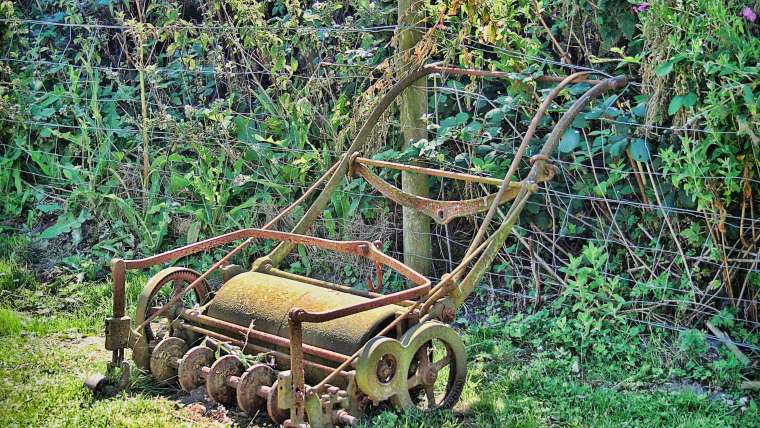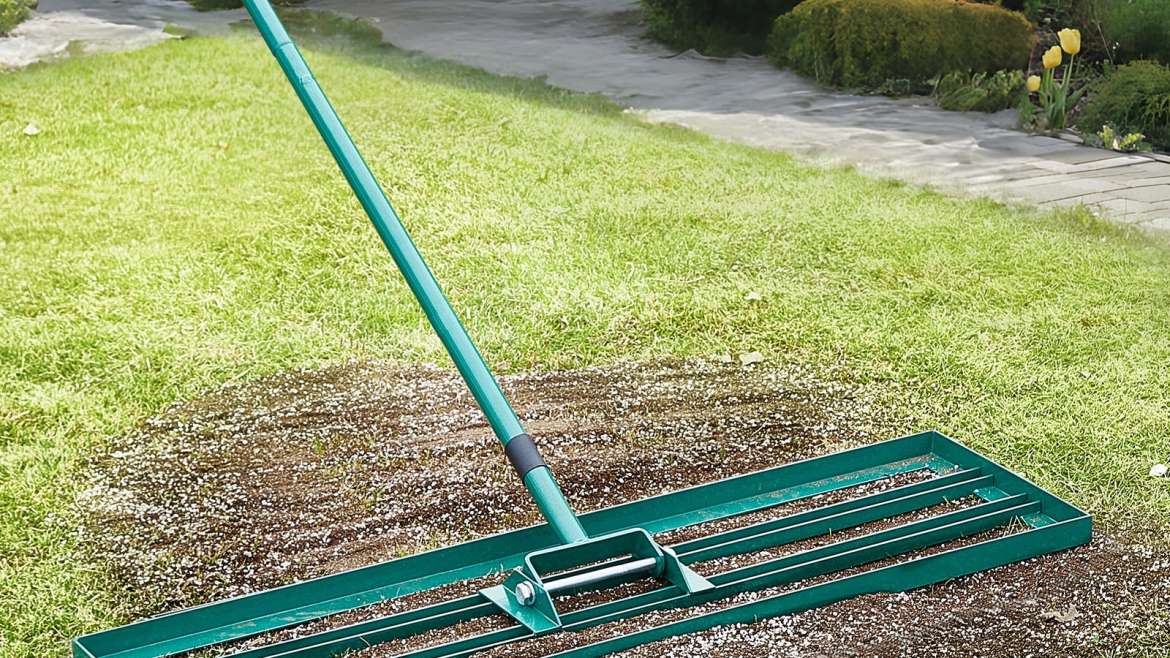
A lawn leveler is a specialized tool designed to smooth and level uneven areas of your lawn, ensuring a consistent and even surface.
It typically features a flat, broad base that efficiently distributes soil and other materials across the lawn, making it easier to fill in low spots and create a uniform appearance.
Using a lawn leveling rake not only improves the aesthetic appeal of your lawn but also helps with proper drainage and prevents issues like water pooling.
Ideal for both small touch-ups and larger lawn renovations, it’s an essential tool for maintaining a healthy and attractive outdoor space.
All About Lawn Leveling Rakes
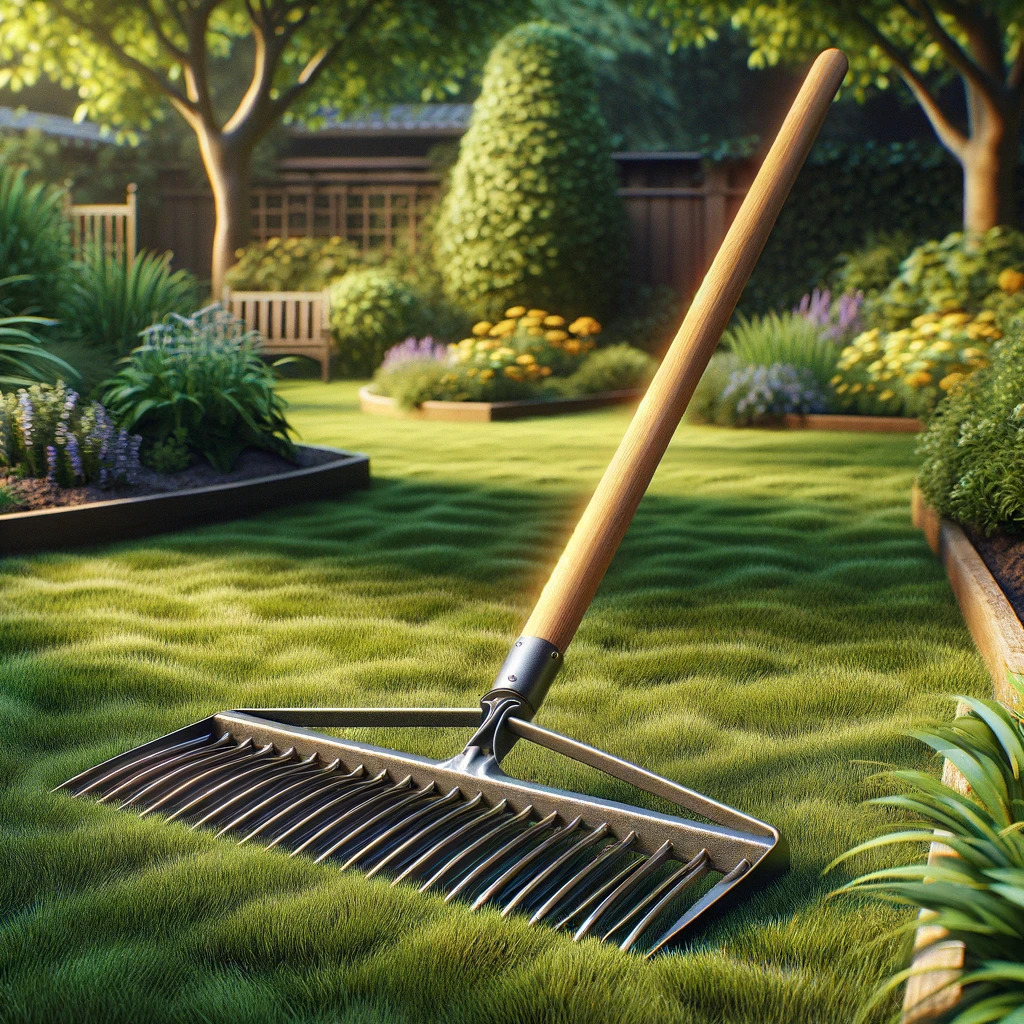
Lawn leveling rakes, also referred to as a lawn leveler or leveling tool, is an essential tool for maintaining a healthy, even lawn. Below is a breakdown of why, how, and when to use a lawn leveler.
Why Use a Lawn Leveler?
- Smooth Lawn Surface: Uneven lawns can cause water pooling, mowing difficulties, and an uneven appearance. A lawn leveler helps to create a smooth surface, promoting better grass growth and easier maintenance.
- Improved Drainage: Leveling your lawn helps ensure that water is distributed evenly across the lawn, reducing the risk of waterlogging in low spots and improving overall drainage.
- Enhanced Aesthetics: A level lawn looks more aesthetically pleasing, especially if you’re aiming for that perfectly manicured look. It also makes your lawn safer to walk on, reducing the risk of tripping on uneven ground.
- Easier Lawn Maintenance: A leveled lawn is easier to mow, as the mower blades can cut the grass evenly, preventing scalping or uneven cuts.
How to Use a Lawn Leveler
- Prepare the Area: Start by identifying and marking the uneven areas on your lawn. Mow the grass to a shorter height to make the leveling process easier.
- Add Top Dressing: Use a mixture of sand, soil, and compost as a top dressing. Spread this mixture over the uneven areas, focusing on low spots. The ratio can vary, but a common mix is 70% sand and 30% soil/compost.
- Use the Lawn Leveler: Drag the lawn leveler across the top-dressed areas. The flat surface of the tool helps to distribute the top dressing evenly and smooth out bumps and low spots. Move the tool in different directions to ensure an even spread.
- Repeat if Necessary: For significant low spots, you might need to add more top dressing and repeat the process. This may require several passes, especially for severely uneven lawns.
- Water and Monitor: After leveling, water the lawn thoroughly. This helps the top dressing settle into the soil. Monitor the area over the next few weeks, and reapply the top dressing if necessary.
When to Use a Lawn Leveler
- Seasonal Maintenance: The best time to level your lawn is during the growing season—spring or early fall—when the grass is actively growing. This allows the grass to recover quickly from the leveling process.
- After Installation: If you’ve recently installed sod or seeded your lawn, you might find some areas uneven as the lawn settles. Using a lawn leveler shortly after installation can help correct these issues.
- Post-Heavy Use: Lawns that experience heavy use, such as those with children playing or high foot traffic, may develop uneven spots. Leveling can help restore the lawn’s evenness.
- After a Harsh Winter: Frost heaving during winter can cause bumps and dips in your lawn. Once the ground has thawed in spring, it’s a good time to level the lawn.
Where to Buy Lawn Levelers
- Local Hardware Stores: You can find lawn levelers at local hardware stores like Home Depot, Lowe’s, and Ace Hardware.
- Garden Centers: Some specialized garden centers may carry lawn levelers.
- Online Retailers: Amazon, eBay, and Walmart offer a wide selection of lawn levelers, often with customer reviews to help you choose the right one.
Recommended Options on Amazon
Here are some well-reviewed lawn levelers available on Amazon:
- Landzie Lawn & Garden Spreaders – 24 Inch Lawn Leveling Rake
- Features: Durable construction, stainless steel, and easy to use for leveling topsoil, sand, and dirt.
- Customer Reviews: Highly rated for its effectiveness and build quality.
- Rocklin Industry Levelawn Tool
- Features: 36-inch wide head, powder-coated steel, ideal for leveling uneven lawns.
- Customer Reviews: Praised for its wide coverage and sturdy design.
- Greenblade Lawn Leveling Rake
- Features: 30-inch wide law rake, rust-resistant, designed for topdressing and leveling lawns.
- Customer Reviews: Known for its ease of use and efficiency in leveling tasks.
- Jardineer Lawn Leveling Rake
- Features: Adjustable handle, stainless steel construction, suitable for various lawn sizes.
- Customer Reviews: Users appreciate its lightweight design and effectiveness for small to medium lawns.
Lawn Leveler FAQ
It depends on the condition of your lawn. For minor leveling, you may only need to do it once or twice a year. However, if your lawn has significant bumps or low spots, you might need to level it more frequently until the surface is even.
Prices vary depending on the size and quality of the tool. Expect to pay anywhere from $80 to $200 for a good quality lawn leveler.
When used correctly, a lawn leveler won’t damage your lawn. Be gentle and avoid overworking the grass to prevent tearing or compaction.
Sign up to get our FREE weekly emails
Gardening guides, tips, & videos delivered right to your inbox!