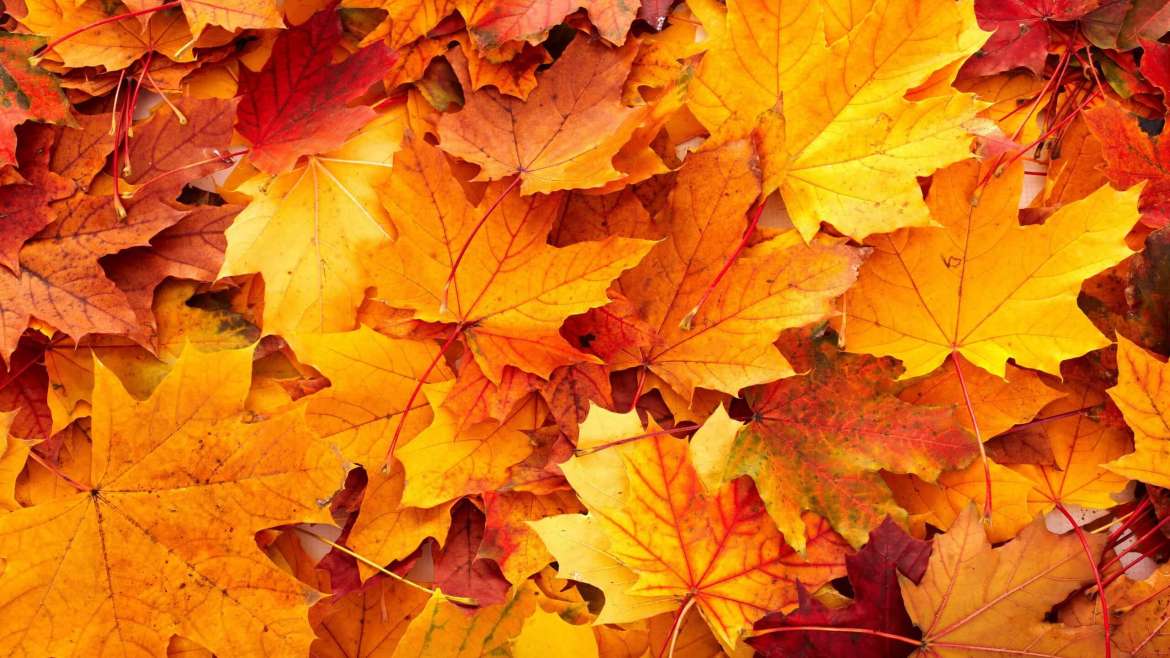
One of the very best kept secrets to creating healthy garden beds and soil in general, is utilizing our leaves through a process called leaf mold or leaf compost.
This natural process involves decomposing fallen leaves, transforming them into a nutrient-rich, soil-like material that enhances soil structure, retains moisture, and promotes the growth of beneficial organisms, making it an excellent addition to any garden.
What is Leaf Mold?
Leaf mold is a type of compost made from decayed leaves that have been broken down by fungi over time.
Unlike traditional compost, which involves a mix of green and brown organic matter and relies on bacteria for decomposition, leaf mold is produced through a slower, fungal-driven process.
This results in a dark, crumbly, and nutrient-rich material that is particularly beneficial for improving soil structure.

The use of leaf mold in gardens provides several advantages: it enhances soil’s water retention capabilities, making it particularly useful in sandy soils that tend to dry out quickly.
It also improves soil aeration, encouraging strong root growth, and supports a healthy population of beneficial microorganisms.
Additionally, leaf mold is an excellent, natural mulch that suppresses weeds and slowly releases nutrients, promoting long-term soil fertility without the risk of over-fertilization.
Lawn Yard Sweepers: Favorite Way to Collect Leaves
If you have been trying to figure out a way to easily and effectively collect all of fallen leaves in your garden so that you can go forth and compost them, we’ve come up with the best solution for you.
A lawn garden sweeper is definitely an ideal tool for efficiently collecting fallen leaves in your garden, transforming what could be a tedious task into a quick and easy process.
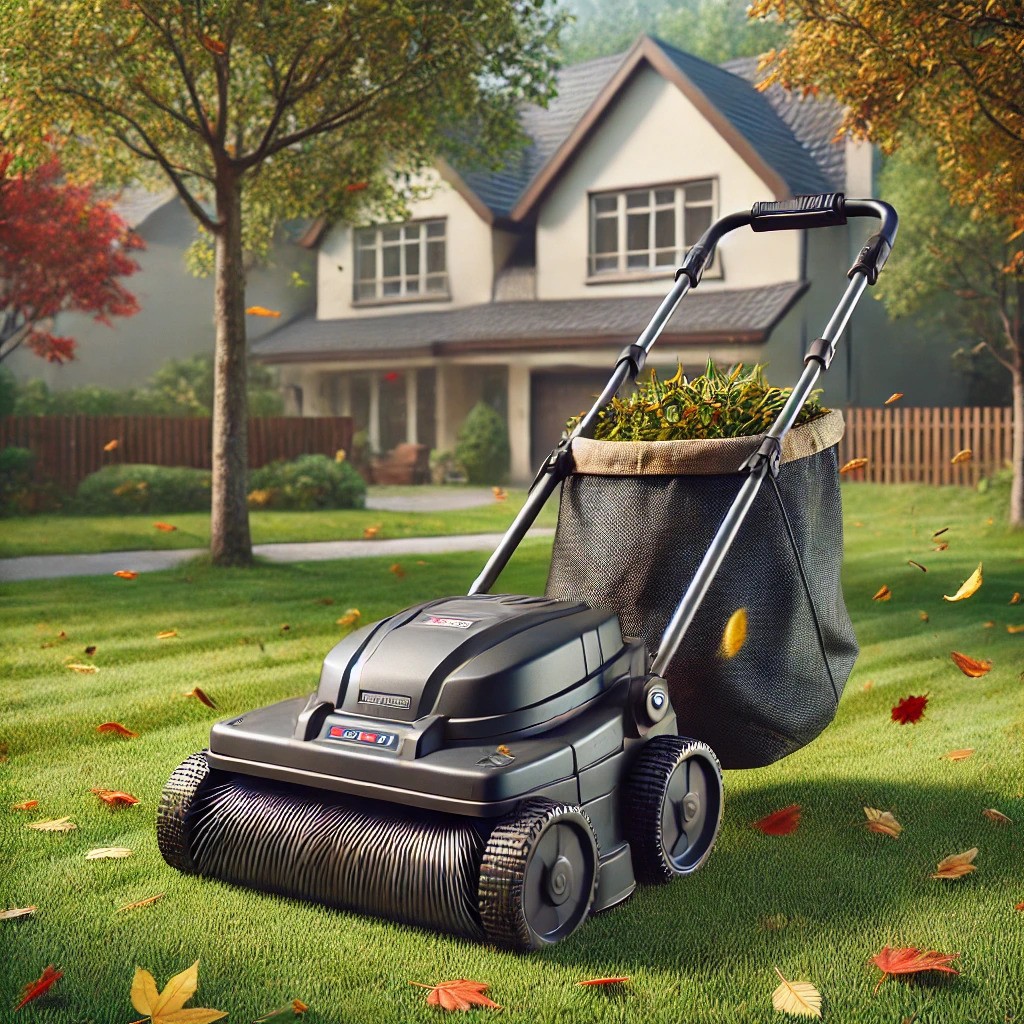
Not only does it sweep up the leaves, but it also provides an excellent opportunity to repurpose them as valuable leaf mold and mulch.
Once collected, the leaves can be chopped and left to decompose, creating nutrient-rich leaf mold that can be used to enrich garden soil.
This organic mulch helps retain moisture, suppress weeds, and improve soil structure, making the lawn garden sweeper a practical and eco-friendly choice for garden maintenance.
Where to Buy Lawn Yard Sweepers
You can buy lawn yard sweepers from several online retailers, including Amazon, Lowe’s, Home Depot, and Tractor Supply Co. Here are some recommended options based on different needs:
- Agri-Fab 45-0492 44-Inch Lawn Sweeper: This is a top choice for most users due to its 44-inch sweeping width and 25 cubic feet hopper capacity, making it ideal for medium to large lawns. It’s sturdy, effective, and features easy assembly and height adjustment, though it can be a bit heavy.
- Ohio Steel 42SWP22: Known for its durability and efficient design, this 42-inch sweeper features a patented spiral brush and a 20 cubic feet capacity, making it an excellent option for those dealing with tougher debris like acorns. It’s also easy to empty without leaving your tractor seat.
- Yard Tuff YTF-42STQA: If you need something that handles well on uneven terrain and can store compactly, this model is a great choice. It’s easy to assemble and comes with a universal hitch that fits most tractors
- Earthwise LSW70021 21-Inch Push Lawn Sweeper: For smaller lawns or those who prefer a push model, this is a lightweight, easy-to-use option. It’s best for dry leaves and grass clippings and is a more budget-friendly choice
Lawn Yard Sweepers FAQ
A lawn yard sweeper is a tool designed to help you clean up your yard by picking up leaves, grass clippings, pine needles, and other debris. It typically features rotating brushes that collect the debris into a hopper or bag.
Lawn sweepers work by using brushes attached to a rotating axle. As you push or tow the sweeper, the brushes spin and sweep debris into a collection bag or hopper. This makes it easier to gather leaves and other yard waste without having to rake.
The size of the lawn sweeper you need depends on the size of your yard. For smaller yards, a push lawn sweeper with a 21-26 inch width may suffice. For larger yards, a tow-behind model with a 42-52 inch width is more efficient.
Yes, most lawn sweepers can effectively pick up pine needles. However, the performance can vary depending on the model and the type of brushes used. Some sweepers are specifically designed to handle tough debris like pine needles.
Regular maintenance is key to keeping your lawn sweeper in good condition. Clean the brushes and hopper after each use, check for any loose parts, and lubricate moving components as recommended by the manufacturer. Store the sweeper in a dry place to prevent rust and damage.
The cost of a lawn sweeper varies depending on the type and size. Push sweepers typically range from $100 to $300, while tow-behind models can range from $300 to $800 or more.
Alternatives to lawn sweepers include leaf blowers, mulching mowers, and traditional rakes. The best tool depends on your yard size, the type of debris, and your personal preference.
Sign up to get our FREE weekly emails
Gardening guides, tips, & videos delivered right to your inbox!