Lawn mowers are an essential tool for maintaining a well-kept lawn, providing homeowners and landscapers with the ability to keep grass at a manageable height.
Lawn mowers are designed to accommodate different lawn sizes and terrains, making them versatile tools for homeowners and professional landscapers alike.
Whether you’re a seasoned gardener or a new homeowner, understanding the different types of lawn mowers, their features, and maintenance needs is crucial for choosing the right mower and keeping it in top condition.
This article covers everything you need to know about lawn mowers, from the various types available to tips on maintenance and safety.
Types of Lawn Mowers

Lawn mowers come in several types, each suited to different lawn sizes, terrains, and user preferences.
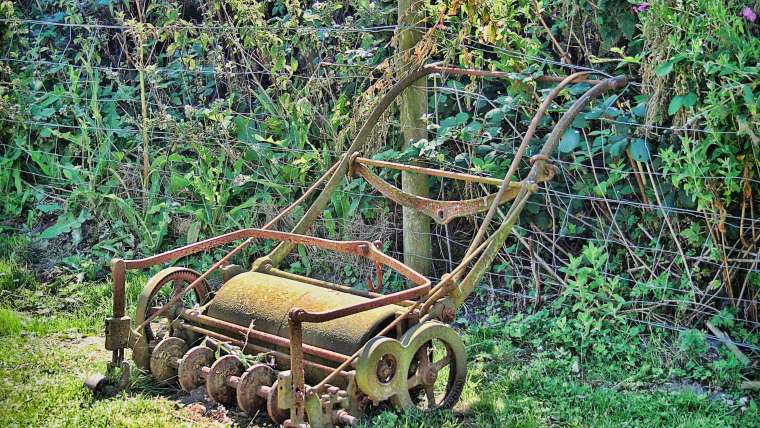
- Manual Reel Mowers:
- Best For: Small, flat lawns.
- How It Works: Manual reel mowers are powered by pushing. As the wheels turn, they spin the blades, which cut the grass. They are eco-friendly, requiring no fuel or electricity, and provide a clean cut, which is healthier for the grass.
- Electric Lawn Mowers:
- Best For: Small to medium-sized lawns.
- How It Works: Electric mowers can be corded or cordless. Corded mowers are powered by plugging into an outlet, while cordless mowers run on rechargeable batteries. They are quieter and more environmentally friendly than gas-powered mowers but may struggle with tall or thick grass.
- Gas-Powered Lawn Mowers:
- Best For: Medium to large lawns with thick grass.
- How It Works: Gas-powered mowers are more powerful and can handle tough mowing conditions. They are available in push or self-propelled models, with the latter requiring less effort to operate. However, they require regular maintenance, including oil changes, spark plug replacements, and air filter cleaning.
- Self-Propelled Mowers:
- Best For: Large lawns or uneven terrain.
- How It Works: Self-propelled mowers have a drive system that pushes the mower forward, reducing the effort needed to mow. They can be either gas or electric and are particularly useful on slopes or rough terrain.
- Riding Lawn Mowers:
- Best For: Large properties.
- How It Works: Riding mowers are ideal for large lawns, typically over half an acre. They come in various types, including lawn tractors, garden tractors, and zero-turn mowers. Riding mowers offer comfort and efficiency, though they are more expensive and require more storage space.
- Robotic Lawn Mowers:
- Best For: Tech-savvy users with small to medium-sized lawns.
- How It Works: Robotic mowers operate autonomously, using sensors and boundary wires to navigate and mow the lawn. They are programmable and can maintain a lawn with minimal human intervention, though initial setup can be complex.
Key Features to Consider
When choosing a lawn mower, consider the following features to ensure it meets your needs:
- Cutting Width: The width of the cutting deck determines how much grass is cut in a single pass. Wider decks reduce mowing time but may be less maneuverable in tight spaces.
- Height Adjustment: Look for mowers with adjustable cutting heights to allow for different grass lengths and conditions. This feature is crucial for maintaining a healthy lawn, as cutting grass too short can damage it.
- Mulching Capability: Some mowers have mulching capabilities, which chop the grass clippings finely and return them to the lawn as natural fertilizer. This can help reduce the need for bagging and improve lawn health.
- Bagging System: If you prefer to collect grass clippings, look for a mower with a bagging system. Ensure the bag is easy to attach, detach, and empty.
- Engine Power: For gas-powered mowers, engine size and power are important. A more powerful engine is better for thick or tall grass but may be unnecessary for smaller lawns.
- Battery Life: For cordless electric mowers, battery life is a critical factor. Check how long the battery lasts on a single charge and how long it takes to recharge.
Maintenance Tips
Proper maintenance is key to ensuring your lawn mower performs well and lasts for years. Here are some general maintenance tips:
- Regular Cleaning: After each use, clean the mower deck to remove grass clippings and debris. This prevents build-up that can lead to rust and clogging.
- Blade Sharpening: Sharp blades are essential for a clean cut. Dull blades can tear the grass, leading to a ragged appearance and increased susceptibility to disease. Sharpen the blades at least once a season, or more frequently if needed.
- Oil Changes: For gas mowers, change the oil regularly according to the manufacturer’s recommendations. Fresh oil keeps the engine running smoothly and reduces wear.
- Spark Plug Replacement: Replace the spark plug annually or if you notice the mower is difficult to start. A fresh spark plug ensures efficient combustion and reliable starting.
- Air Filter Cleaning/Replacement: Clean or replace the air filter regularly to ensure the engine gets a proper air-fuel mixture. A clogged air filter can reduce performance and increase fuel consumption.
- Battery Care: For electric mowers, follow the manufacturer’s guidelines for battery care. Store the battery in a cool, dry place, and avoid overcharging to extend its life.
Safety Tips
Operating a lawn mower safely is crucial to prevent accidents and injuries. Follow these safety tips:
- Wear Proper Clothing: Wear sturdy shoes, long pants, and eye protection when mowing. Avoid loose clothing that could get caught in the mower.
- Clear the Lawn: Remove rocks, sticks, and other debris from the lawn before mowing to prevent damage to the mower and avoid flying objects.
- Mow During Daylight: Always mow in daylight or with adequate artificial lighting. This helps you see obstacles and avoid uneven terrain.
- Use Caution on Slopes: When mowing on slopes, move across the slope rather than up and down to reduce the risk of slipping or tipping.
- Keep Children and Pets Away: Ensure children and pets are indoors or at a safe distance from the mowing area.
- Turn Off the Mower Before Adjusting: Always turn off the mower and disconnect the spark plug (for gas mowers) before making any adjustments or clearing clogs.
Where to Buy Lawn Mowers
When buying lawn mowers, you have several options, including physical stores and online platforms. Here are the best recommended lawn mowers on Amazon:
- Greenworks 40V 20-Inch Cordless Twin Force Lawn Mower:
- Type: Battery-powered
- Pros: Eco-friendly, easy to start, good for small to medium lawns.
- Cons: Battery life might not be sufficient for large lawns.
- EGO Power+ LM2102SP 21-Inch 56-Volt Cordless Lawn Mower:
- Type: Battery-powered, self-propelled
- Pros: Powerful, long battery life, self-propelled feature.
- Cons: Pricey compared to other cordless models.
- Craftsman M105 140cc 21-Inch 3-in-1 Gas Powered Push Lawn Mower:
- Type: Gas-powered
- Pros: Versatile with mulching, side discharge, and rear bagging.
- Cons: Requires regular maintenance.
- Sun Joe MJ401E 14-Inch 12 Amp Electric Lawn Mower:
- Type: Electric-powered
- Pros: Lightweight, affordable, good for small lawns.
- Cons: Limited power and cutting width.
When choosing a lawn mower, consider factors such as the size of your lawn, terrain, and your preference for gas, electric, or battery power.
Reading customer reviews on Amazon and comparing specifications can help you select the best option for your needs.
Lawn Mower FAQ
Generally, mow your lawn once a week during the growing season. However, the frequency may vary depending on grass type, weather conditions, and personal preference.
The ideal height depends on the type of grass. For most lawns, a mowing height of 2.5 to 3 inches is recommended. Avoid cutting more than one-third of the grass height at a time.
Most lawn mowers run on regular unleaded gasoline with an octane rating of 87 or higher. If your mower has a 2-cycle engine, you’ll need to mix the fuel with 2-cycle engine oil according to the manufacturer’s recommendations.
Always wear sturdy shoes, not sandals, and keep hands and feet away from the mower deck. Never mow in wet conditions to avoid slipping, and always clear the lawn of debris before mowing.
Yes, many lawn mowers come with a mulching feature that finely chops grass clippings and returns them to the lawn as natural fertilizer.
Sign up to get our FREE weekly emails
Gardening guides, tips, & videos delivered right to your inbox!