By composting, we not only minimize our environmental impact but also create a valuable resource that enhances soil health, promotes plant growth, and reduces the need for chemical fertilizers. Composting is a simple yet powerful way to contribute to a more sustainable and resilient environment.
What is Composting?
Composting is the process of breaking down organic materials, such as food scraps and yard waste, into nutrient-rich soil, known as compost. This natural recycling process helps reduce waste, improves soil health, and supports plant growth.
Why Compost?
- Reduce Waste: Composting diverts organic waste from landfills, reducing methane emissions and landfill space usage.
- Improve Soil Health: Compost enriches soil with nutrients, improves soil structure, and promotes healthy plant growth.
- Save Money: By composting, you reduce the need for chemical fertilizers and save on waste disposal costs.
- Environmental Impact: Composting lowers your carbon footprint and contributes to a more sustainable environment.
Types of Composting
- Backyard Composting:
- Best For: People with outdoor space.
- Materials Needed: Compost bin or pile, organic waste, garden tools.
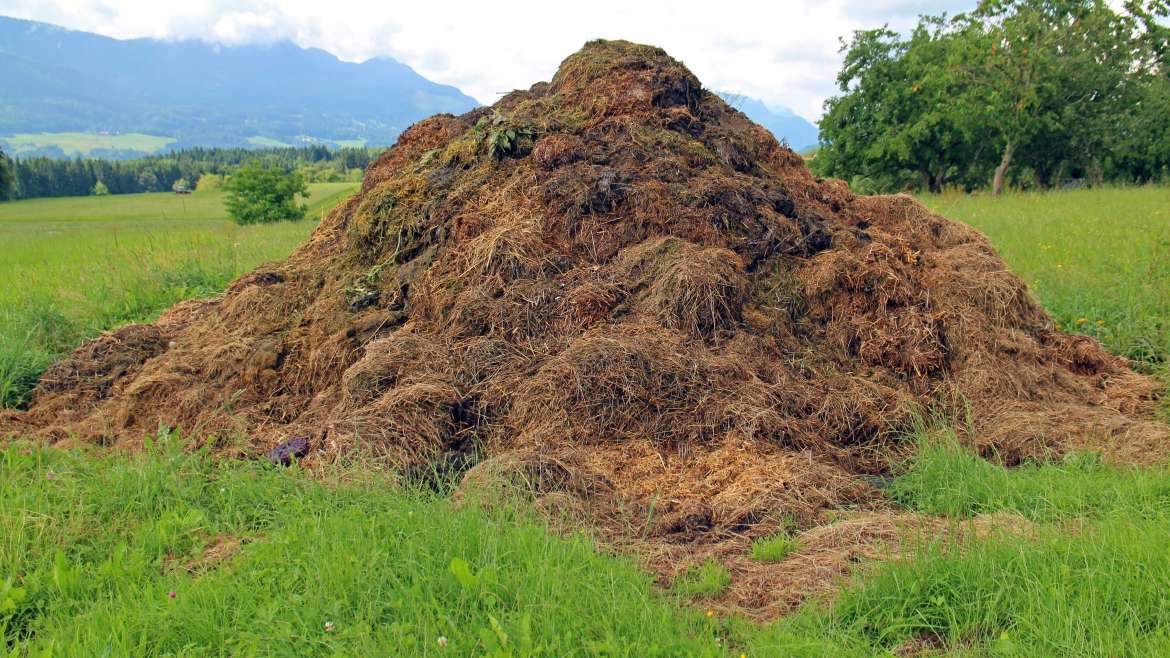
- Process: Mix green (nitrogen-rich) and brown (carbon-rich) materials, keep the pile moist, and turn it regularly.
- Vermicomposting:
- Best For: Indoor or small-space composting.
- Materials Needed: Worm bin, red worms, organic waste.
- Process: Feed organic waste to worms, and collect their castings as compost.
- Bokashi Composting:
- Best For: Composting all types of food waste, including meat and dairy.
- Materials Needed: Bokashi bin, bran inoculated with microbes, organic waste.
- Process: Layer waste with bran in an airtight container, let it ferment, and then bury the contents to finish composting.
- Tumbler Composting:
- Best For: Quick and easy composting.
- Materials Needed: Compost tumbler, organic waste.
- Process: Add waste to the tumbler, turn it regularly to aerate, and harvest compost in a few weeks.
What Can You Compost?

- Green Materials (Nitrogen-Rich):
- Fruit and vegetable scraps
- Coffee grounds and filters
- Tea bags
- Fresh grass clippings
- Manure from herbivores
- Brown Materials (Carbon-Rich):
- Dry leaves
- Straw and hay
- Cardboard and paper
- Sawdust (untreated wood)
- Shredded newspaper
What Not to Compost
- Items to Avoid:
- Meat, bones, and fish
- Dairy products
- Oils and fats
- Diseased plants
- Pet waste from carnivores
- Treated wood or sawdust
How to Start Composting: 6 Easy Steps
1. Choose Your Composting Method:
- Decide whether backyard composting, vermicomposting, or another method suits your space, needs, and preferences.
2. Select a Location:
- Find a spot that’s convenient, well-drained, and gets some sunlight. If you’re composting indoors, choose a location with proper ventilation.
3. Gather Materials:
- Start collecting green and brown materials. Aim for a balanced mix, with more brown materials to avoid a smelly pile.
4. Build Your Pile:
- Start with a layer of coarse materials (twigs, straw) to allow air circulation. Add green and brown materials in alternating layers. The ideal ratio is about 2-3 parts brown to 1 part green.
5. Maintain the Pile:
- Moisture: Keep the pile as damp as a wrung-out sponge. Add water if it’s too dry, or more brown materials if it’s too wet.
- Aeration: Turn the pile every 1-2 weeks to introduce oxygen and speed up decomposition.
- Temperature: A well-maintained pile should heat up to 130-160°F (54-71°C). If it’s too cool, add more green materials and turn the pile.
6. Harvest the Compost:
- Compost is ready when it’s dark, crumbly, and has an earthy smell. This usually takes a few months. Sift out any large pieces and return them to the pile for further decomposition.
Troubleshooting Common Composting Problems
- Foul Odors: Often caused by too much moisture or green material. Add more brown materials and turn the pile to aerate.
- Slow Decomposition: May result from lack of aeration, moisture, or proper balance. Turn the pile, adjust moisture levels, and ensure a good mix of materials.
- Pests: Attracting pests usually indicates the presence of meat, dairy, or improperly covered food scraps. Remove these items and ensure food scraps are buried.
Using Your Finished Compost
- In Gardens: Mix compost into garden beds to enrich soil.
- As Mulch: Spread compost around plants to retain moisture and suppress weeds.
- For Lawns: Top-dress your lawn with compost to improve soil structure.
- In Potting Mix: Blend compost with soil for container plants.
Final Tips
- Start small: Begin with a manageable amount of waste and gradually scale up.
- Be patient: Composting is a natural process that takes time. Keep at it, and you’ll be rewarded with rich, dark compost.
- Educate and engage: Involve family, friends, or neighbors to spread awareness and encourage sustainable practices.
Where to Buy Compost:
You can buy compost from various places, both online and locally. Here are some recommended compost on Amazon:
- Dr. Earth Organic Compost
- Type: Organic, all-purpose compost
- Best For: Vegetable gardens, flower beds, and general soil enrichment.
- Espoma Organic Land and Sea Gourmet Compost
- Type: Organic compost mix with lobster and crab shells
- Best For: Raised beds, garden beds, and container gardening.
- Charlie’s Compost
- Type: Organic compost
- Best For: Organic vegetable gardens, flower beds, and lawn topdressing.
- Black Kow Composted Cow Manure
- Type: Composted cow manure
- Best For: Gardens, lawns, and flower beds.
- Worm Castings Organic Fertilizer by UNCO Industries
- Type: Worm compost
- Best For: Seed starting, potting mix, and garden beds.
Composting 101: FAQ
Composting can take anywhere from a few months to a year, depending on the materials used, the composting method, and environmental factors like temperature and moisture.
Yes, you can compost in an apartment using a small compost bin or a worm composting system (vermicomposting). These methods are compact and odor-free, making them ideal for indoor spaces.
Your compost is ready when it is dark, crumbly, and has an earthy smell. There should be no recognizable food scraps or yard waste.
If your compost smells unpleasant, it may be too wet or have too much “green” material. To fix this, add more “brown” materials like dry leaves or shredded paper and turn the pile to aerate it.
Composting can attract rats and other pests if meat, dairy, or oily foods are added. To avoid this, stick to plant-based materials and keep your compost covered or use a pest-resistant compost bin.
Use finished compost in your garden to enrich the soil, in potted plants as a nutrient boost, or as mulch around trees and shrubs. Compost can also be mixed into potting soil for added fertility.
Turn compost every 1 to 2 weeks to aerate it and speed up decomposition. The frequency depends on how quickly you want the compost to break down; more frequent turning accelerates the process.
Create a pile of organic materials with a balanced mix of greens (nitrogen-rich) and browns (carbon-rich), ensuring it’s at least 3 feet high and wide. Turn the pile every few days to maintain aeration and keep the internal temperature between 130-160°F for faster decomposition.
Composting is a simple yet powerful way to reduce waste, support the environment, and nourish your garden. By following these
Sign up to get our FREE weekly emails
Gardening guides, tips, & videos delivered right to your inbox!