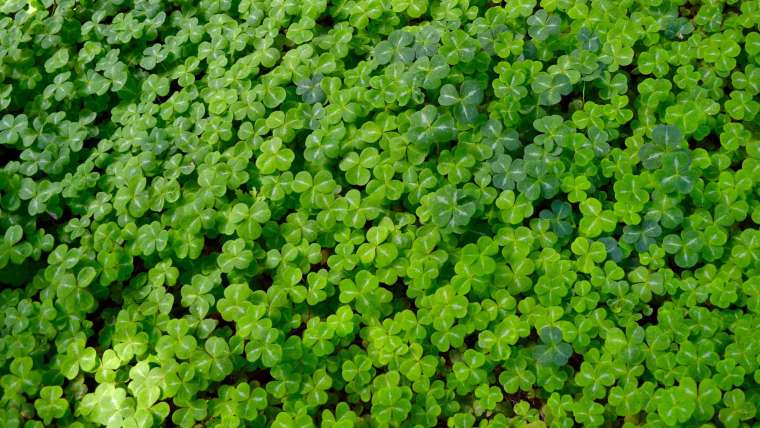
Creeping thyme is a versatile, low-growing perennial herb that serves as an attractive ground cover in gardens and landscapes. Known for its fragrant, tiny purple flowers and dense foliage, it spreads quickly, creating a lush, green carpet that adds beauty and functionality to outdoor spaces. This hardy plant thrives in full sun and well-drained soil, making it ideal for rock…
Growing food indoors is an increasingly popular way to ensure a fresh supply of vegetables, herbs, and fruits regardless of the season or available outdoor space. Whether you’re an apartment dweller or simply want to add a green touch to your kitchen, indoor gardening allows you to take control of your food supply, enjoy the benefits of homegrown produce, and…
Check out how to build a raised bed. Raised garden beds are an excellent gardening solution that offers several benefits for growing plants. By elevating the soil, they provide better drainage, which is particularly useful in areas with poor or compacted soil. Raised beds also make it easier to control dirt quality, allowing gardeners to create an optimal environment for…
Planting living mulch improves soil health, conserves moisture, suppresses weeds, and enhances biodiversity in the garden. In the ever-evolving world of gardening, one concept that has been gaining traction is the use of living mulch. Unlike traditional mulch, which consists of dead plant material like straw, wood chips, or leaves, living mulch involves planting ground-covering plants that serve the same…
If you’re wondering how to create a bee-friendly garden, this is the right place to check. Creating a bee-friendly garden supports pollination, leading to healthier plants and increased crop yields. A bee-friendly garden is a garden designed to attract and support bees by providing them with a rich source of nectar and pollen, which are essential for their survival. Such…
Discover the best flowers to plant for bees! Planting flowers that attract bees in your garden offers numerous benefits, both for the environment and your plants. Bees are essential pollinators, helping to increase the yield of fruits, vegetables, and other plants by transferring pollen between flowers. This not only boosts the productivity of your garden but also supports biodiversity by…
Gardening enthusiasts know that the health and vitality of plants begin with the soil. To nurture your garden without relying on chemical fertilizers, consider making your own homemade organic fertilizer. Not only is it environmentally friendly, but it also ensures that your plants are receiving nutrients free from synthetic additives. Make Your Own Homemade Organic Fertilizer Making your own homemade…
Check out the top raised bed garden mistakes to avoid for a thriving and productive garden. Raised bed gardening is a popular and effective way to grow a variety of plants, from vegetables and herbs to flowers. However, even experienced gardeners can make mistakes that can affect the success of their raised bed gardens. Raised Bed Garden Mistakes to Avoid…
To ensure your garden thrives, it’s important to learn about mulching mistakes to avoid. Mulching is one of the most effective ways to maintain a healthy garden. It conserves moisture, suppresses weeds, regulates soil temperature, and enhances the overall appearance of your garden. However, when done incorrectly, mulching can cause more harm than good. Here are some common mulching mistakes…
Organic mulching is a key practice for any gardener looking to boost the health and productivity of their garden. Mulching not only helps retain soil moisture and suppress weeds but also enriches the soil as it decomposes, providing vital nutrients to your plants. In this article, we’ll explore the best organic mulching techniques to enhance your garden’s health, ensuring your…