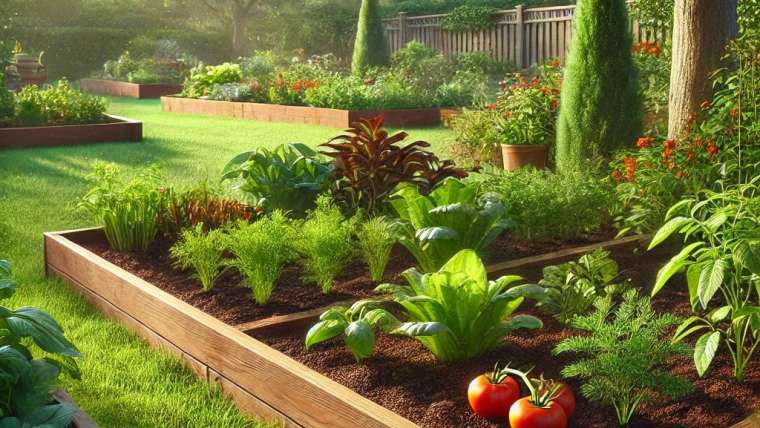
Check out the top raised bed garden mistakes to avoid for a thriving and productive garden.
Raised bed gardening is a popular and effective way to grow a variety of plants, from vegetables and herbs to flowers.
However, even experienced gardeners can make mistakes that can affect the success of their raised bed gardens.
Raised Bed Garden Mistakes to Avoid

To help you achieve a thriving garden, here are the top ten raised bed garden mistakes to avoid.
1. Choosing the Wrong Location
One of the most critical decisions when starting a raised bed garden is selecting the right location.
Avoid placing your raised beds in areas with poor sunlight, as most plants need at least 6-8 hours of direct sunlight daily.
Additionally, ensure the location is not prone to flooding, as too much water can drown your plants.
2. Using Poor Quality Soil
The soil is the foundation of your garden, so it’s essential to invest in high-quality soil. Avoid using garden soil directly in your raised beds, as it can become compacted, restricting root growth.
Instead, use a well-draining mix of compost, topsoil, and organic matter to provide nutrients and promote healthy root development.
3. Overwatering
While it’s important to keep your plants hydrated, overwatering is a common mistake that can lead to root rot and other problems.
Raised beds generally retain moisture better than traditional garden beds, so be mindful of how much water you’re giving your plants. Check the soil moisture regularly and water only when the top inch of soil is dry.
4. Underestimating the Bed Height
Raised beds should be tall enough to accommodate the root systems of your plants. Beds that are too shallow can lead to stunted growth and poor yields.
Aim for a minimum height of 12-18 inches, especially if you plan to grow root vegetables like carrots or potatoes.
5. Ignoring Crop Rotation
Growing the same type of plants in the same spot year after year can deplete the soil of specific nutrients and increase the risk of pests and diseases.
To avoid this, practice crop rotation by planting different types of plants in each bed each season. This helps maintain soil fertility and reduces the likelihood of pest infestations.
6. Planting Too Densely
It’s tempting to pack as many plants as possible into your raised beds, but overcrowding can lead to competition for nutrients, water, and sunlight.
This can result in smaller plants and lower yields. Be sure to follow the recommended spacing for each type of plant to give them room to grow and thrive.
7. Neglecting Mulching
Mulching is essential for conserving moisture, regulating soil temperature, and suppressing weeds.
Without mulch, your soil can dry out quickly, and weeds can take over your garden. Use organic mulch, such as straw, wood chips, or leaves, to keep your raised beds healthy and productive.
8. Failing to Provide Proper Drainage
Raised beds typically have better drainage than traditional gardens, but poor drainage can still be an issue if not addressed.
Ensure your raised beds have adequate drainage by placing them on well-draining soil and avoiding the use of plastic liners. You can also add a layer of gravel at the bottom of the bed to improve drainage.
9. Forgetting to Amend the Soil Annually
Even with the best soil, nutrients will deplete over time as plants grow and are harvested. To maintain healthy soil, it’s crucial to amend it annually with compost or organic matter.
This replenishes nutrients and improves soil structure, ensuring your plants have everything they need to thrive.
10. Not Planning for the Future
It’s easy to get caught up in the excitement of planting a new garden, but failing to plan for the future can lead to frustration.
Consider how your garden will evolve over time, including how large your plants will grow, how much space they’ll need, and what you’ll plant in subsequent seasons.
Proper planning ensures your garden remains productive and manageable for years to come.
Sign up to get our FREE weekly emails
Gardening guides, tips, & videos delivered right to your inbox!