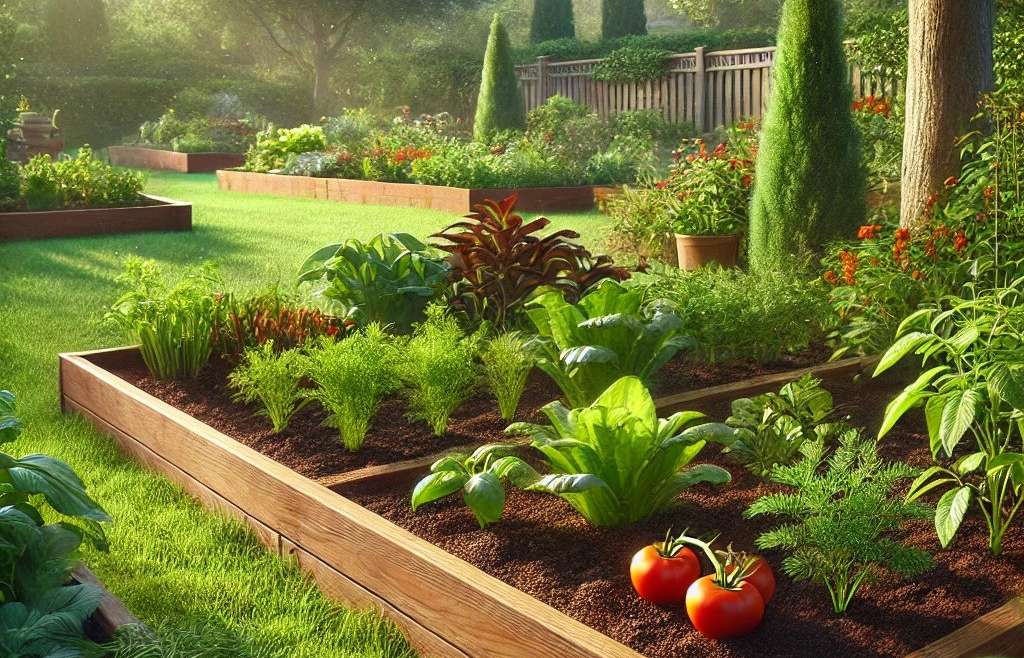
Raised garden beds are a gardener’s best friend, offering a range of benefits such as improved soil drainage, reduced weed pressure, and easier access for planting and harvesting.
However, the success of your raised garden bed largely depends on the quality and composition of the soil you use to fill it.
How to Fill a Raised Garden Bed

In this guide, we’ll walk you through everything you need to know about filling raised garden beds, ensuring that your plants have the best environment to thrive.
1. Understanding the Importance of Good Soil
Good soil is the foundation of a healthy garden. In raised beds, soil plays an even more crucial role since the plants rely entirely on what you provide them. The ideal raised bed soil should be:
- Well-draining: Prevents waterlogging, which can cause root rot.
- Nutrient-rich: Supplies essential nutrients for plant growth.
- Light and airy: Allows roots to grow freely and access oxygen.
Creating the perfect soil mix involves balancing organic matter, minerals, and moisture retention. This is what actually makes great raised bed soil.
2. Raised Bed Soil Vs. Garden Soil
Raised bed soil and garden dirt differ primarily in their composition, drainage, and suitability for specific growing environments.
- Composition:
- Raised Bed Soil: This is mainly a blend of topsoil, compost, and other organic matter like peat moss or coconut coir. It’s designed to be lightweight, well-draining, and rich in nutrients.
- Garden Soil: Regular garden soil is the natural soil found in your garden. Its composition varies based on location and can range from sandy to clayey. It might require amendments to improve texture, drainage, and nutrient content.
- Drainage:
- Raised Bed Soil: It usually has excellent drainage due to its loose, airy structure, which helps prevent waterlogging and root rot.
- Garden Soil: Depending on its texture, garden soil may have poor drainage, particularly if it’s heavy in clay, which can lead to water retention and poor root development.
- Suitability:
- Raised Bed Soil: Ideal for use in raised beds where plants are elevated above the ground, making it easier to control the soil environment, including pH, nutrient levels, and moisture.
- Garden Soil: Best for traditional in-ground gardening where soil quality is already good or can be improved over time. It’s also more susceptible to compaction, which can limit root growth.
- Weed and Pest Control:
- Raised Bed Soil: Less likely to contain weed seeds, pests, or diseases compared to garden soil, especially when purchased as a high-quality mix.
- Garden Soil: May require more maintenance for weed control and pest management, as it’s part of the natural environment where these issues are more common.
3. Choosing the Right Soil Composition
If you’re looking for the ideal raised bed soil recipe, when filling a raised garden bed, the soil mix should typically consist of three main components:
- Topsoil (30-40%): The base layer, providing structure and minerals. Look for high-quality, weed-free topsoil.
- Compost (30-40%): Rich in organic matter, compost improves soil fertility, moisture retention, and microbial activity. You can use homemade compost or purchase from a trusted source.
- Soilless Mix (20-30%): A combination of materials like peat moss, coconut coir, or vermiculite that lightens the soil and improves drainage.
Here’s a basic recipe for filling a raised garden bed:
- 1 part topsoil
- 1 part compost
- 1 part soilless mix
You can adjust the proportions based on your specific needs, such as adding more compost for heavy feeders like tomatoes or more sand for better drainage in areas with high rainfall.
4. Preparing the Raised Bed
Before adding soil to your raised bed, follow these steps to prepare it:
- Line the Bottom: Use cardboard, newspaper, or landscape fabric to line the bottom of the bed. This helps suppress weeds and prevents soil from washing out while allowing roots to penetrate.
- Make a Bed of Wood: Layer the bottom of the bed with stumps from your soil delivery, along with twigs and branches. You can also include newspaper or manure for added benefit.
- Add a Layer of Coarse Material: On top of the bed of wood, add a 4-6 inch layer of coarse material like sticks, straw, or wood chips. This improves drainage and aeration at the bottom.
- Fill Gradually: Add your soil mix in layers, gently tamping down each layer as you go to eliminate air pockets. Avoid compacting the soil too much, as this can restrict root growth.
- Add Fertilizer: As your mulch decomposes, it can deplete some of the available nitrogen from the soil and compost. To replenish nitrogen levels, apply some All-Purpose Organic Fertilizer.
5. Adjusting Soil pH and Nutrient Levels
Once your bed is filled, it’s essential to check the pH and nutrient levels of the soil. Most vegetables thrive in slightly acidic to neutral soil with a pH of 6.0-7.0. You can test the soil pH using a home test kit or by sending a sample to a local extension service.
If the soil pH is too high (alkaline), add organic matter like pine needles or sulfur to lower it. If too low (acidic), you can raise it by incorporating lime.
For nutrients, consider a balanced organic fertilizer or amendments like bone meal (for phosphorus), blood meal (for nitrogen), or greensand (for potassium).
6. Planting and Mulching
Now that your raised bed is filled and the soil is ready, it’s time to plant! Space your plants appropriately, considering their mature size and growth habits.
After planting, add a 2-3 inch layer of organic mulch, such as straw, shredded leaves, or wood chips. Mulching helps retain soil moisture, suppress weeds, and regulate soil temperature.
7. Maintaining Your Raised Bed Soil
Over time, your raised bed soil will settle and lose nutrients. Regular maintenance includes:
- Top Dressing: Add a layer of compost or organic matter each season to replenish nutrients.
- Rotating Crops: Practice crop rotation to prevent nutrient depletion and reduce pest and disease build-up.
- Watering Wisely: Water deeply and infrequently to encourage deep root growth and reduce water evaporation.
Where to Buy Raised Bed Soil
When looking to buy raised bed soil, you can typically find it at garden centers, home improvement stores, and online retailers like Amazon. Here are some recommended options from Amazon:
- Miracle-Gro Raised Bed Soil – This soil is formulated specifically for raised bed gardening, enriched with plant food to help plants thrive.
- FoxFarm Ocean Forest Potting Soil – A premium blend of earthworm castings, bat guano, and sea-going fish and crab meal. Ideal for raised beds and container gardens.
- Espoma Organic Raised Bed Mix – A natural and organic mix that’s perfect for filling raised beds, enriched with all-natural organic materials.
- Black Gold All Organic Potting Soil – Another great option for raised beds, this mix contains rich organic ingredients and is OMRI Listed for organic gardening.
FAQ
Start by layering organic materials like stumps, twigs, and branches at the bottom, then fill the rest with compost and raised bed dirt, ensuring it is evenly distributed and lightly compacted.
Raised bed dirt is optimized for the unique conditions of raised beds, offering better drainage, moisture retention, and nutrient availability compared to regular garden soil.
To calculate the amount of bed dirt needed, measure the length, width, and depth of your garden bed, then use an online soil calculator or consult the soil packaging for specific guidelines.
Yes, raised garden bed dirt can be reused each season. However, it’s a good practice to refresh it with compost or additional nutrients to maintain soil health and fertility.
While raised garden bed dirt is specifically designed for raised beds, it can also be used in larger containers or pots, though you may want to adjust the mix with potting soil for smaller containers.
Conclusion
Filling raised garden beds with the right soil mix is a critical step toward a successful and productive garden.
By understanding the importance of good soil, choosing the right components, and maintaining your bed over time, you can create a thriving garden that rewards you with bountiful harvests season after season. Happy gardening!