
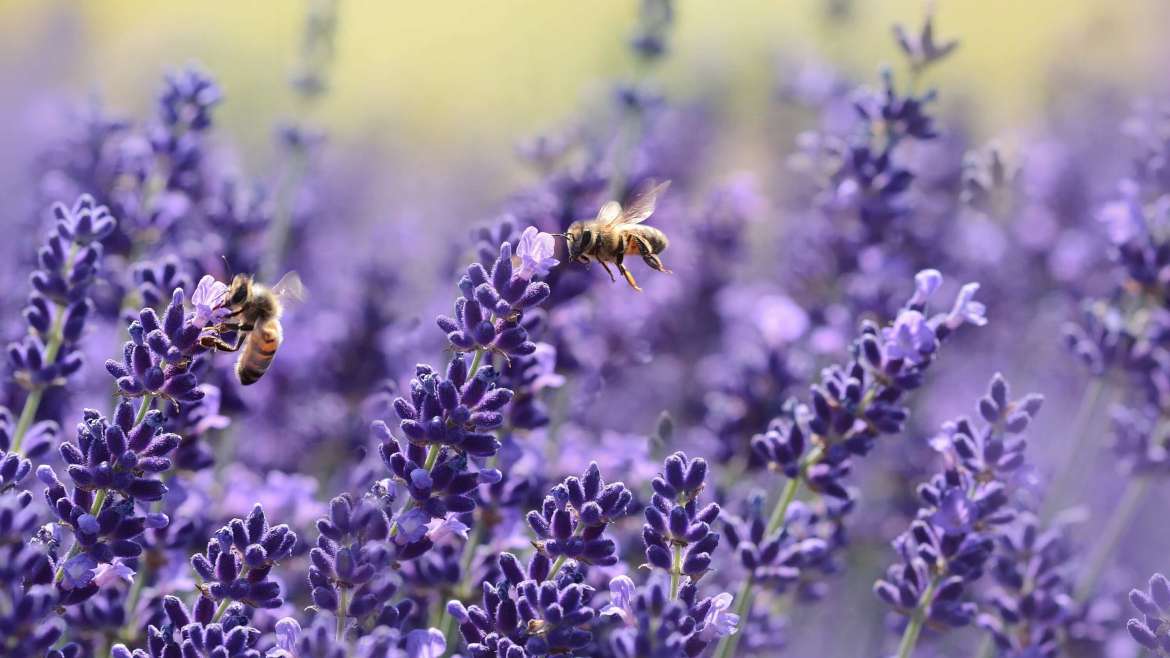
Discover the best flowers to plant for bees!
Planting flowers that attract bees in your garden offers numerous benefits, both for the environment and your plants.
Bees are essential pollinators, helping to increase the yield of fruits, vegetables, and other plants by transferring pollen between flowers.
This not only boosts the productivity of your garden but also supports biodiversity by providing food and habitat for these important insects.
Additionally, a bee-friendly garden contributes to the conservation of bee populations, which are vital for maintaining healthy ecosystems.
The presence of bees also enhances the overall beauty and vitality of your garden, creating a vibrant, thriving space filled with the soothing buzz of pollinators at work.
Best Flowers to Plant for Bees
Bees play a crucial role in pollinating the plants that provide food for humans and wildlife. Creating a bee-friendly garden is a great way to support these essential pollinators. Here are the top 10 best flowers to plant for bees:
1. Lavender (Lavandula)
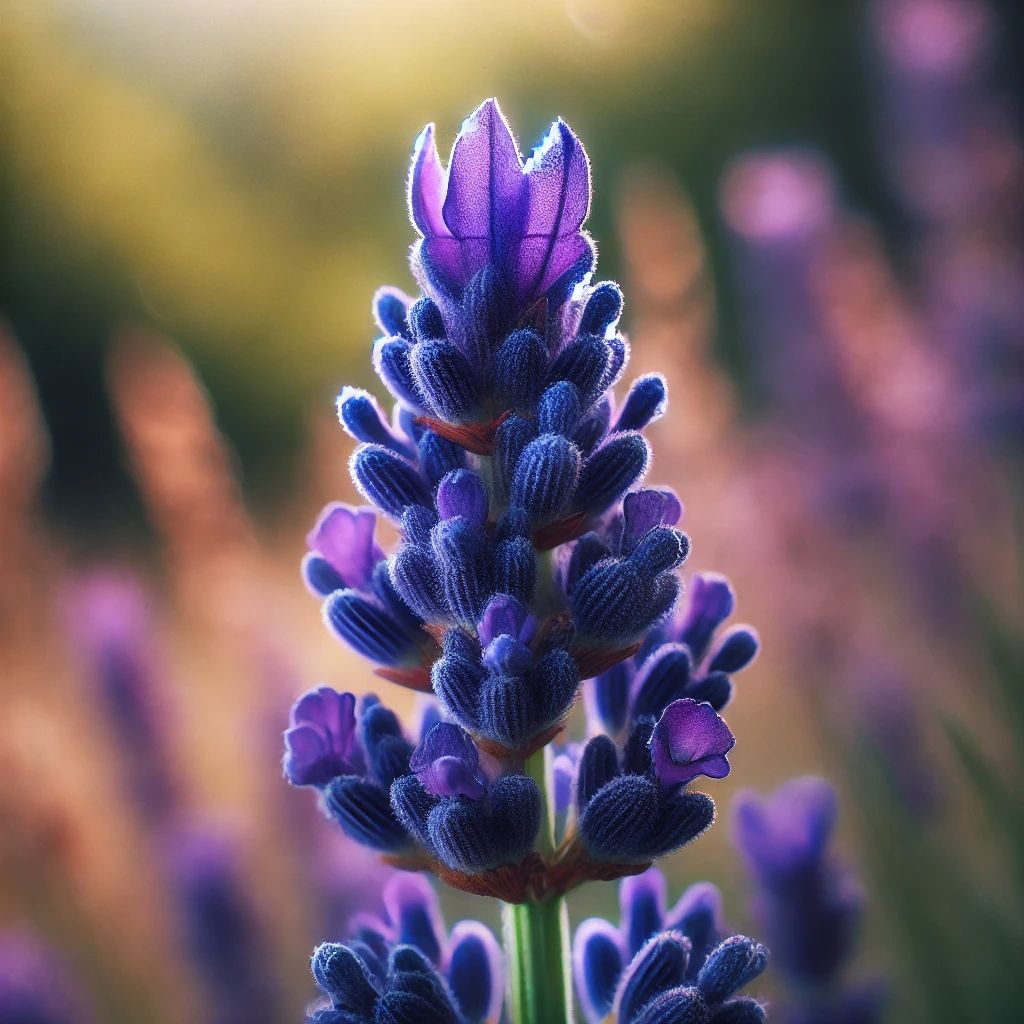
Lavender is a fragrant herb known for its beautiful purple flowers. It’s a bee magnet, thanks to its high nectar content and long flowering period.
Lavender blooms from late spring through summer, providing a reliable food source for bees. Plus, it’s a hardy plant that thrives in sunny locations with well-drained soil.
Check out our step-by-step guide to growing Lavender.
2. Sunflower (Helianthus)
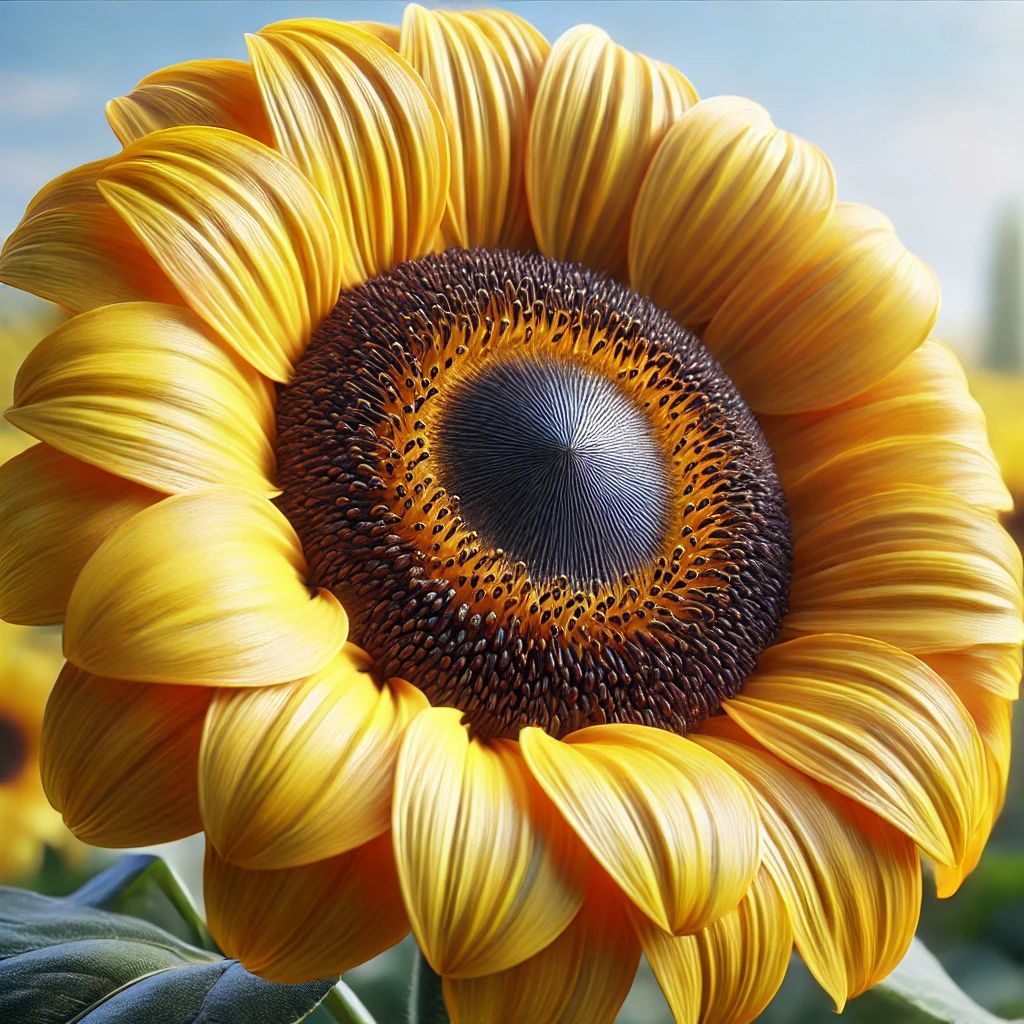
Sunflowers are not only stunning but also incredibly beneficial for bees. Their large, open faces make it easy for bees to access the nectar and pollen.
Sunflowers bloom in late summer, providing a vital food source when other plants have finished flowering. Plant them in full sun for the best results.
Check out our step-by-step guide to growing Sunflowers.
3. Zinnias (Zinnia elegans)
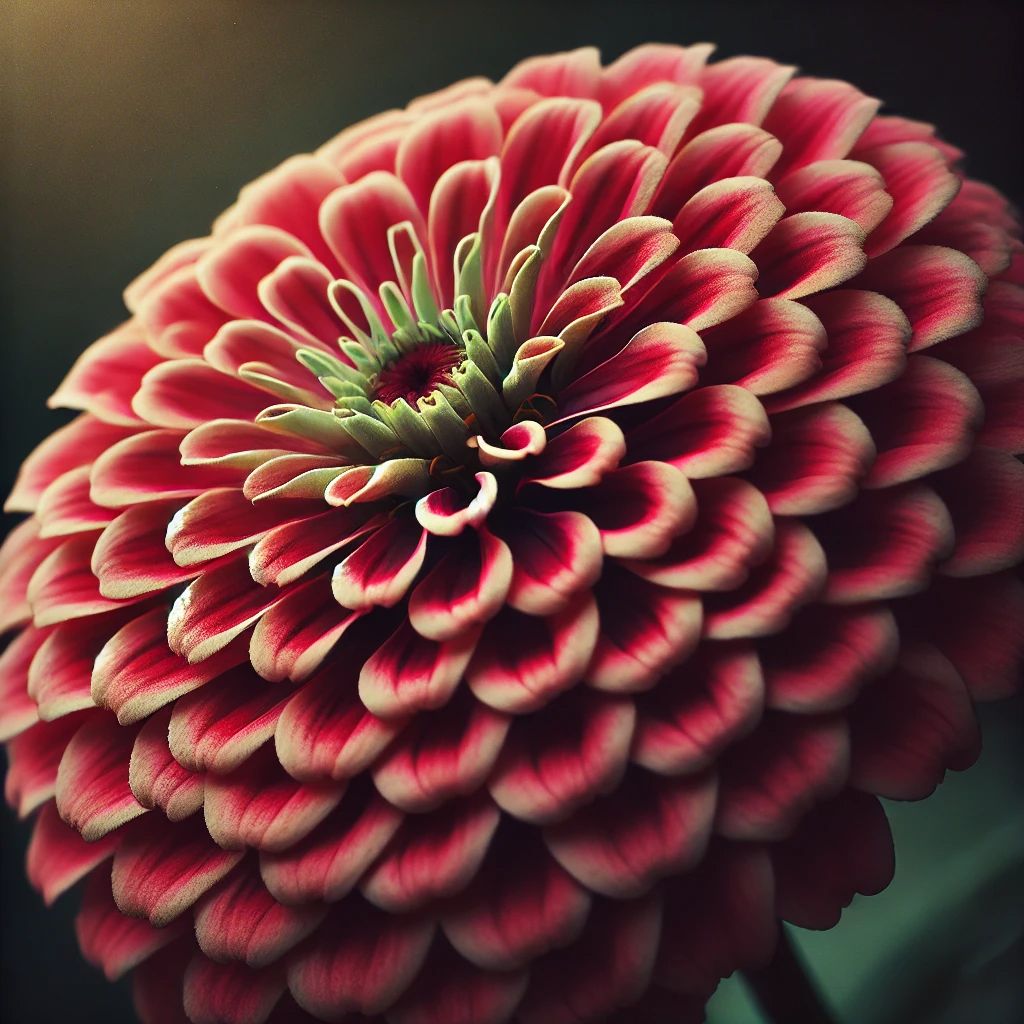
Zinnias are known to attract bees. Their vibrant, colorful blooms are especially appealing to pollinators, including bees.
The flowers provide nectar and pollen, which bees seek out for food. Planting zinnias in your garden can help support local bee populations and encourage pollination of other plants nearby.
Check out our step-by-step guide to growing Zinnias.
4. Coneflower (Echinacea)
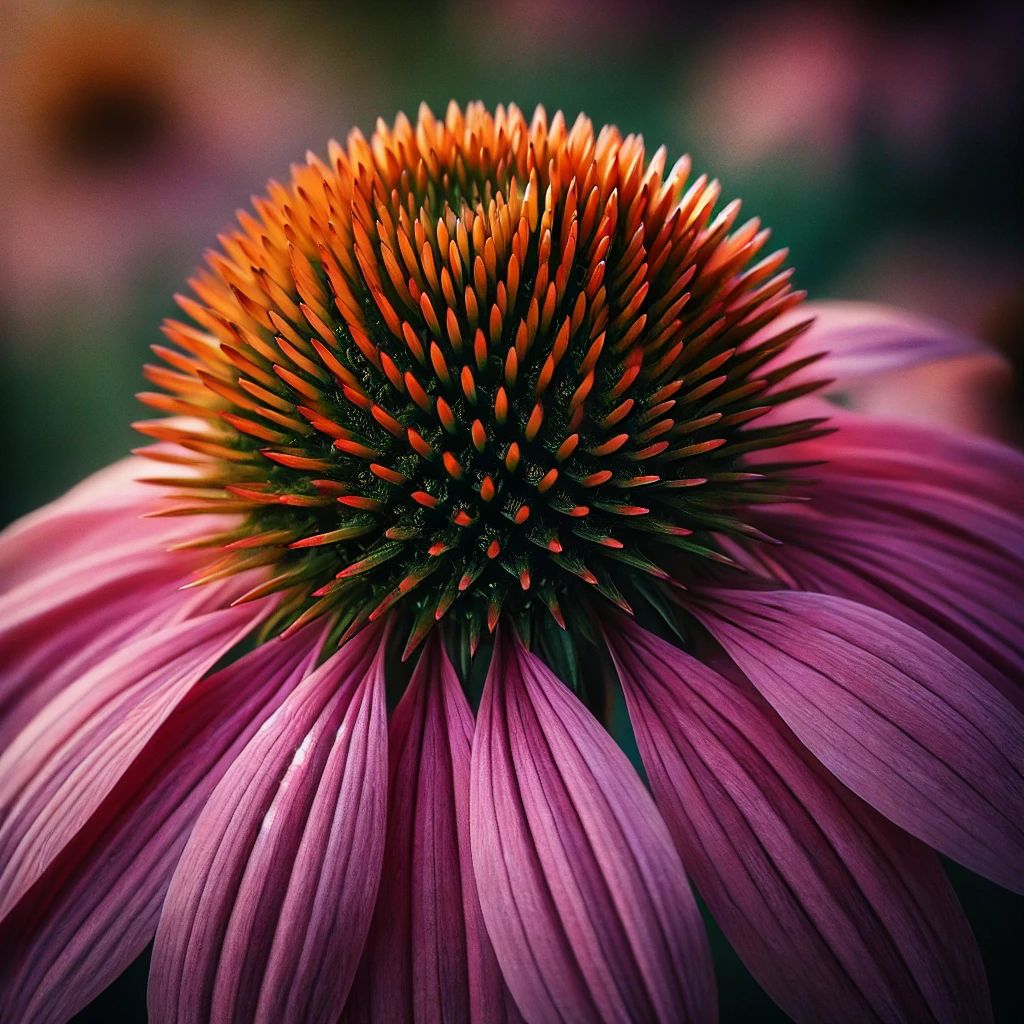
Coneflowers are hardy perennials that produce large, daisy-like flowers in various colors, including pink, purple, yellow, and white.
Their prominent centers are packed with nectar, making them irresistible to bees. Coneflowers bloom from early summer to fall and are easy to grow in full sun with well-drained soil.
Check out our step-by-step guide to growing Coneflowers.
5. Borage (Borago officinalis)
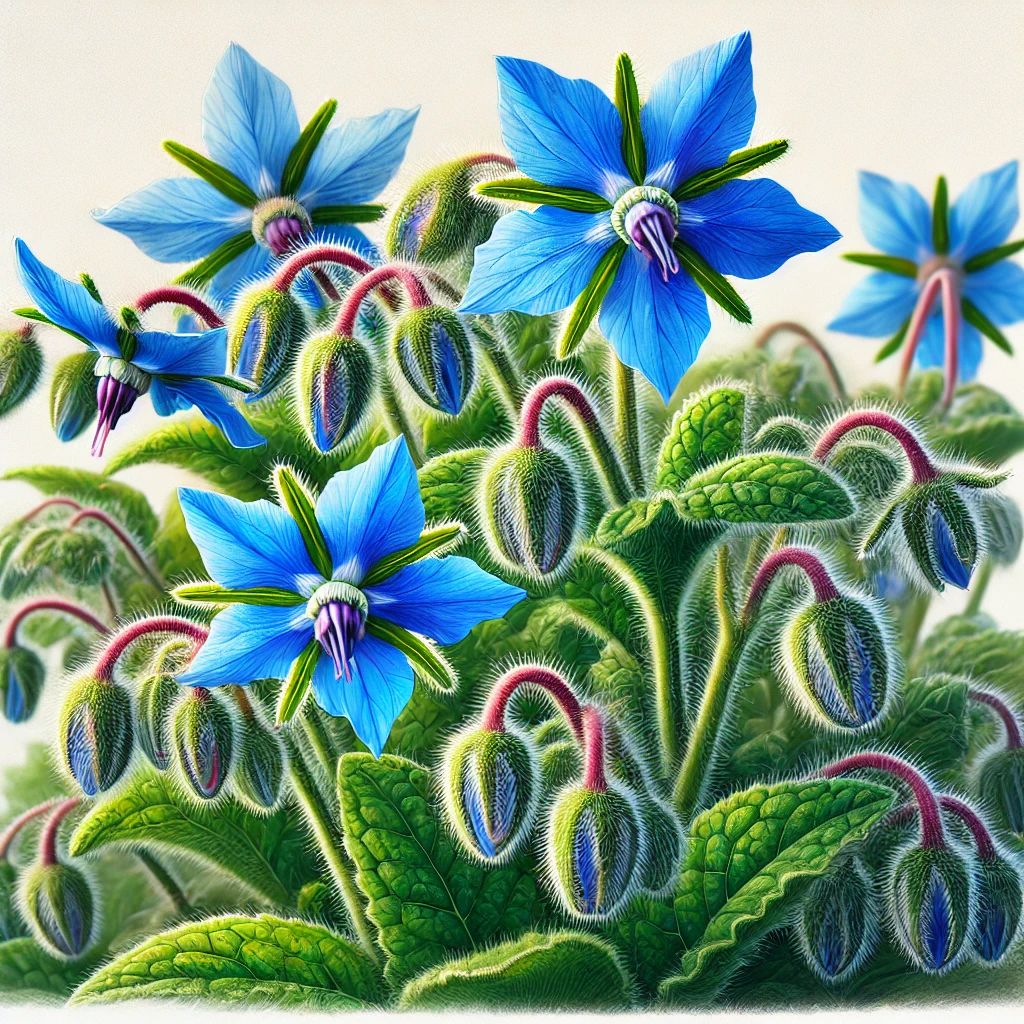
Borage, also known as starflower, is an annual herb with bright blue, star-shaped flowers. It’s a prolific bloomer that produces nectar-rich flowers throughout the growing season.
Borage is a self-seeding plant, so it will come back year after year. It thrives in full sun and well-drained soil, making it an easy addition to any garden.
Check out our step-by-step guide to growing Borage.
6. Thyme (Thymus)
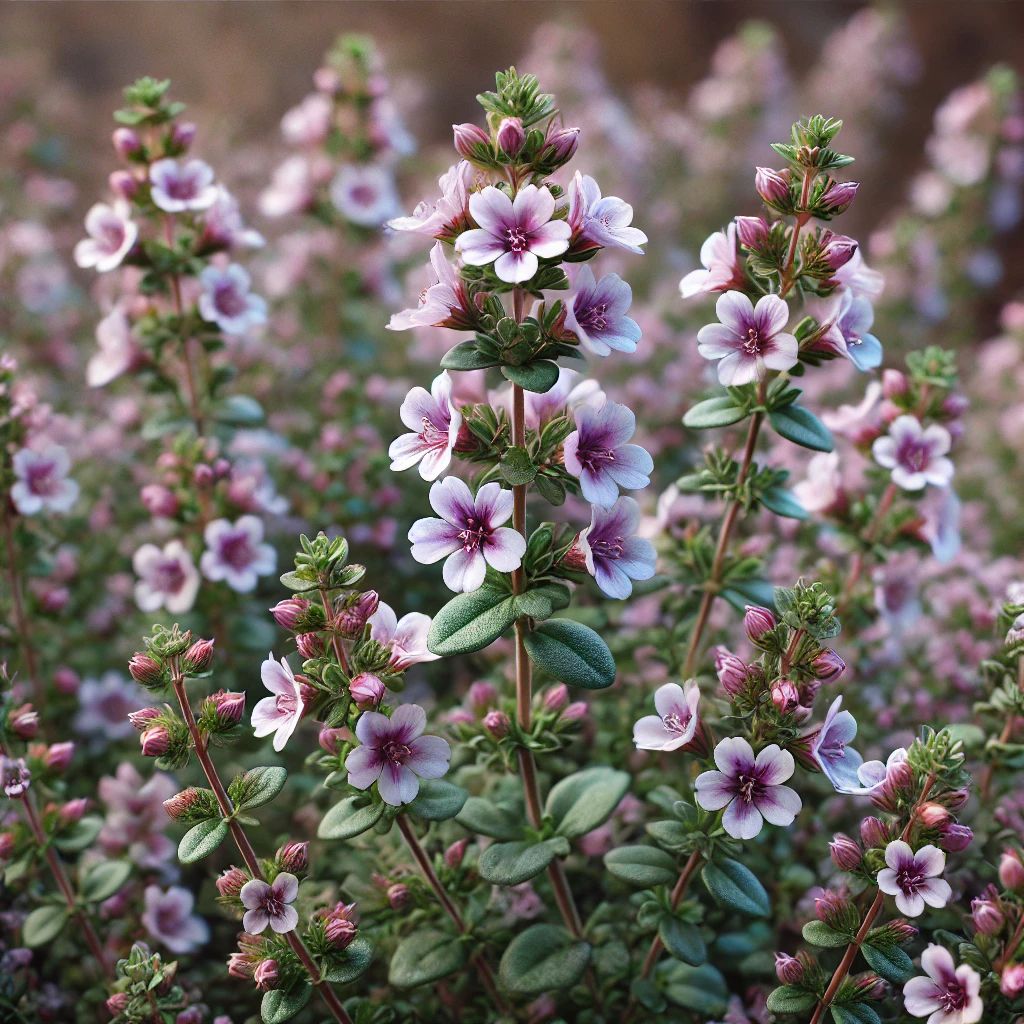
Thyme is a low-growing herb that produces small, nectar-rich flowers in shades of pink, purple, and white. Bees are particularly attracted to thyme’s flowers, which bloom from late spring to early summer.
Plant thyme in a sunny spot with well-drained soil, and it will reward you with a fragrant, bee-friendly ground cover.
Check out our step-by-step guide to growing Thyme.
7. Chives (Allium schoenoprasum)
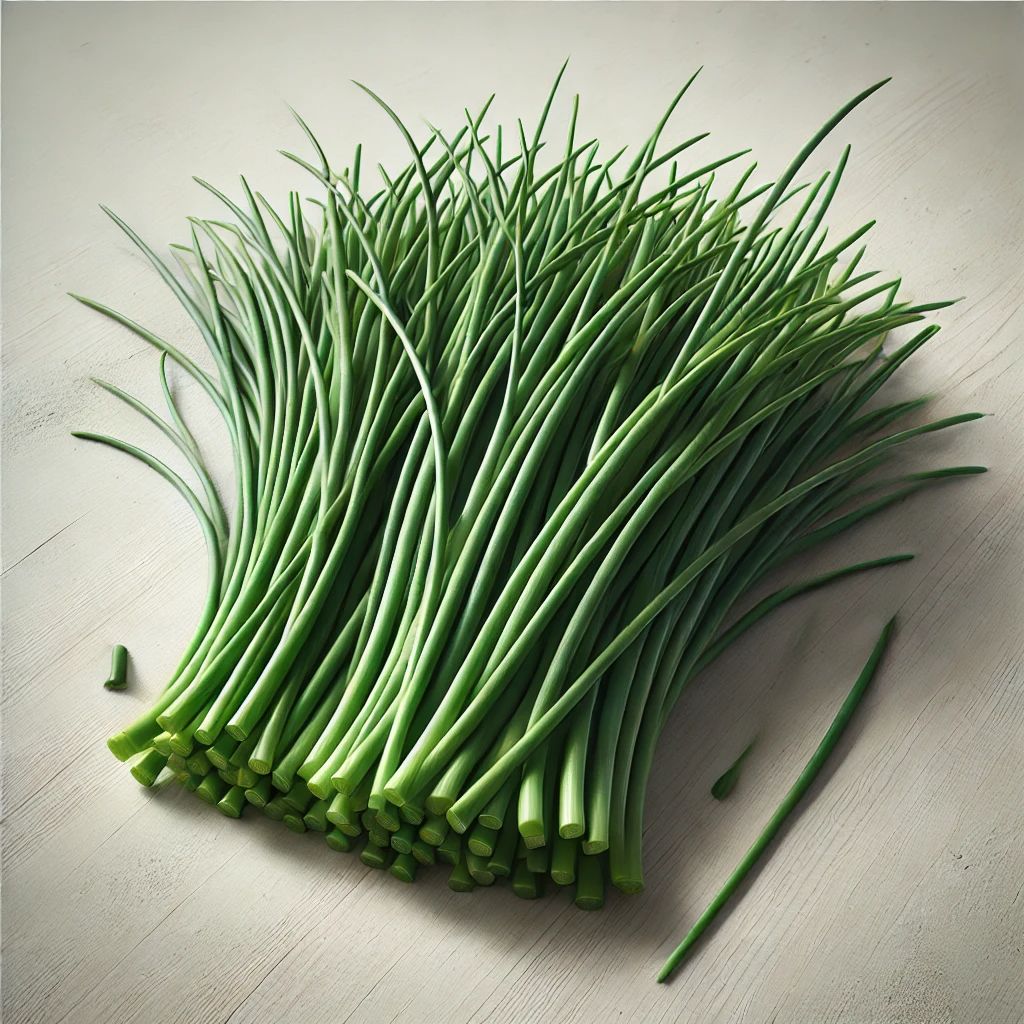
The small, purple flowers of chives are particularly appealing to bees, especially when they bloom in the spring and early summer.
Bees are drawn to the nectar and pollen that the chive flowers provide, making chives a great addition to a garden if you’re looking to support pollinators.
Check out our step-by-step guide to growing Chives.
8. Cosmos (Cosmos bipinnatus)
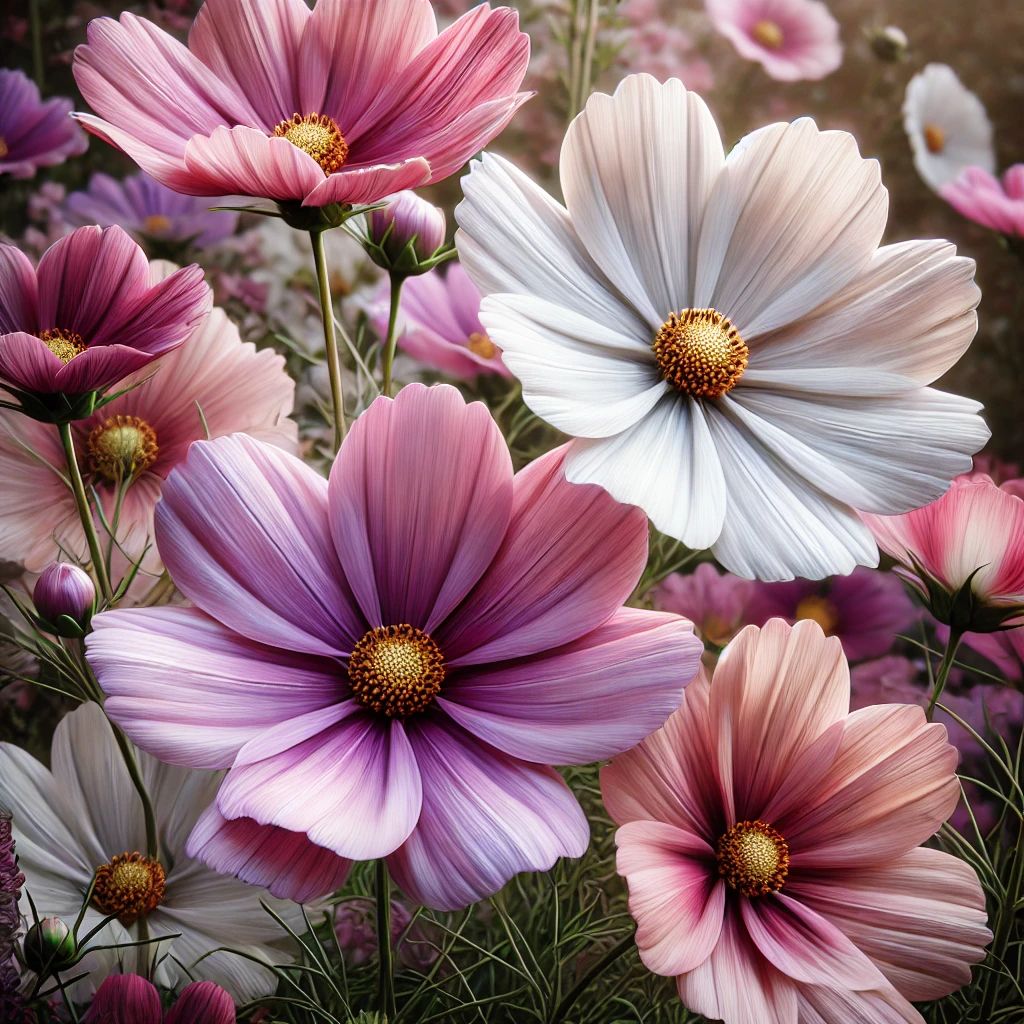
Cosmos are annual flowers that produce delicate, daisy-like blooms in a range of colors, including pink, white, and purple.
They bloom from summer until the first frost, offering a continuous source of nectar for bees. Cosmos thrive in full sun and well-drained soil, and they are easy to grow from seed.
Check out our step-by-step guide to growing Cosmos.
9. Foxglove (Digitalis purpurea)
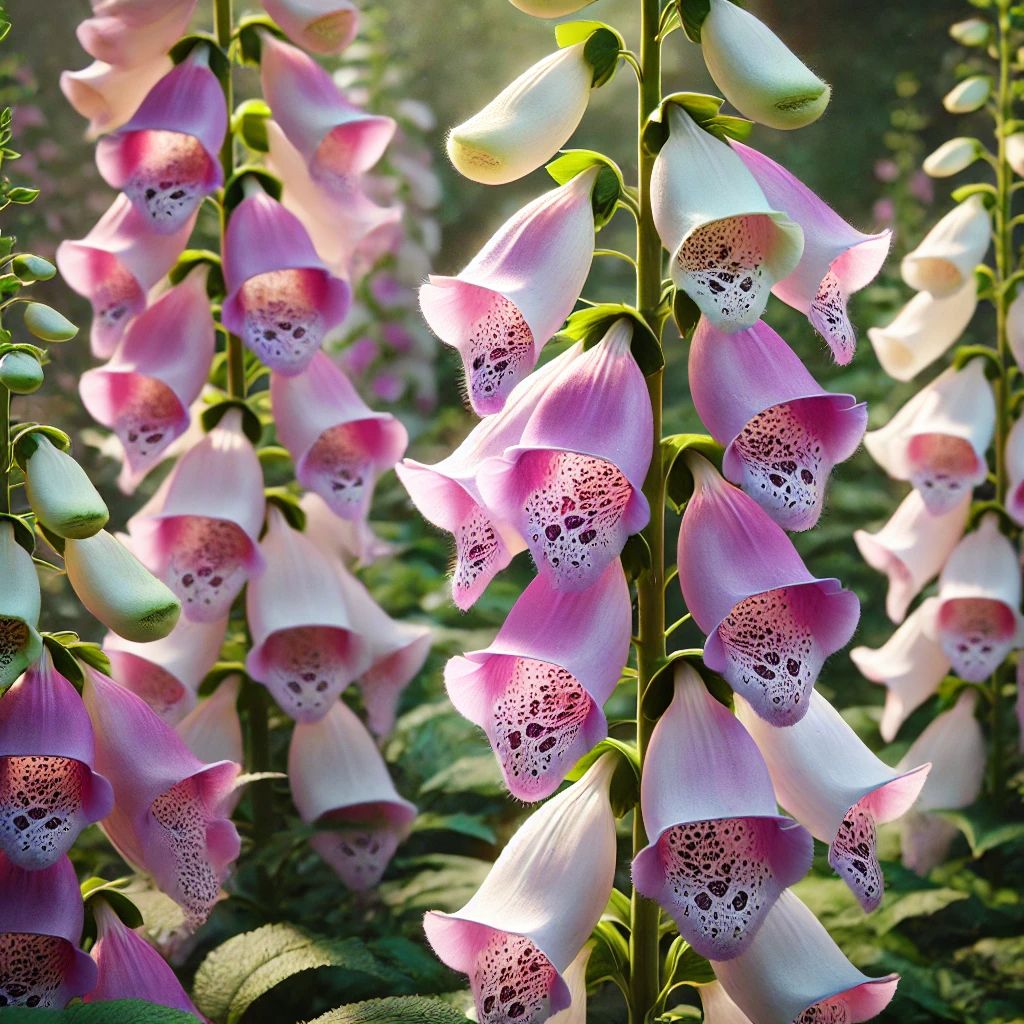
Foxgloves are tall, biennial or perennial plants that produce tubular flowers in shades of purple, pink, white, and yellow. Their unique flower shape makes them particularly attractive to bees, especially bumblebees.
Foxgloves prefer partial shade and moist, well-drained soil. Be aware that all parts of the plant are toxic if ingested.
Check out our step-by-step guide to growing Foxglove.
10. Oregano (Origanum vulgare)
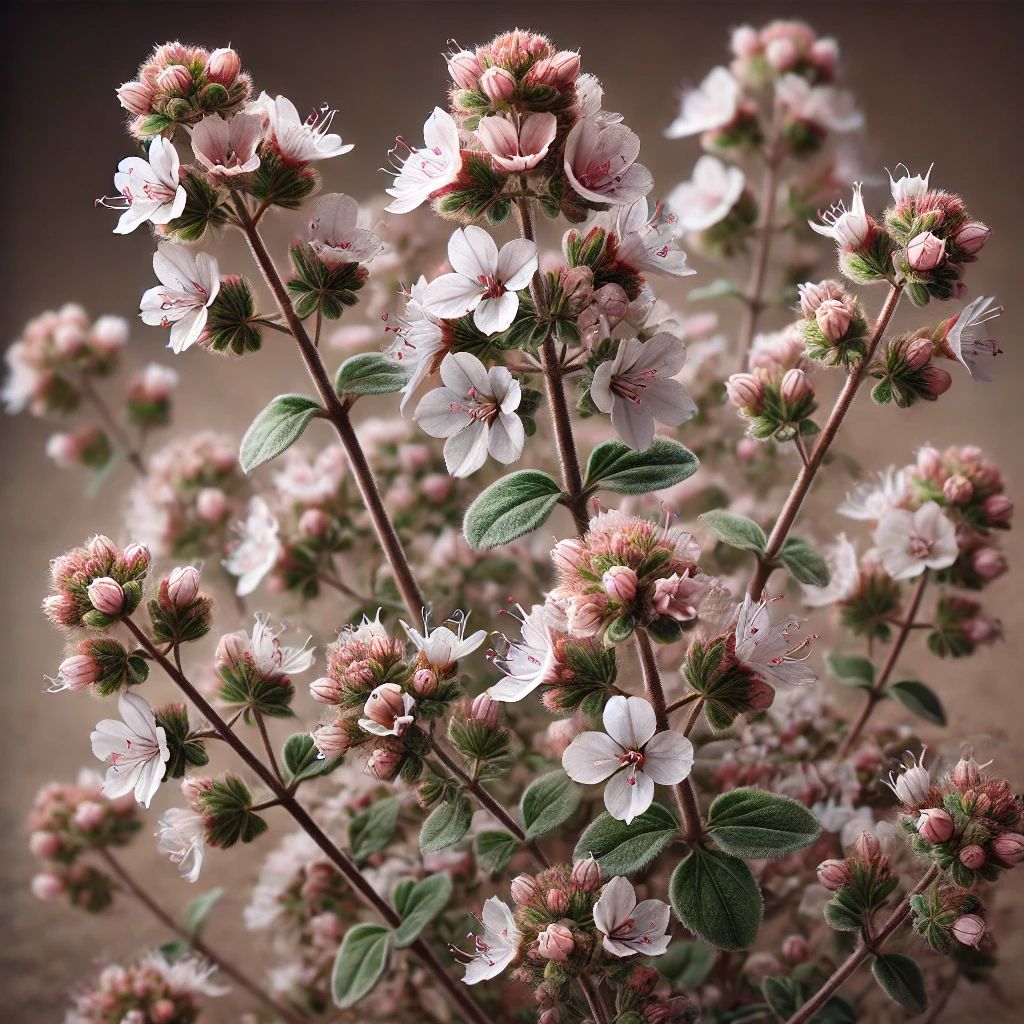
The small, pink or purple flowers that oregano produces are rich in nectar, making them highly attractive to bees and other pollinators.
Oregano blooms over a long period, providing a consistent food source for bees throughout the growing season.
Check out our step-by-step guide to growing Oregano.
Conclusion
Planting a variety of these flowers in your garden will not only create a beautiful and diverse landscape but also provide essential food sources for bees throughout the growing season.
By supporting these important pollinators, you’re contributing to the health of our ecosystems and ensuring the continued production of many of the foods we rely on.

