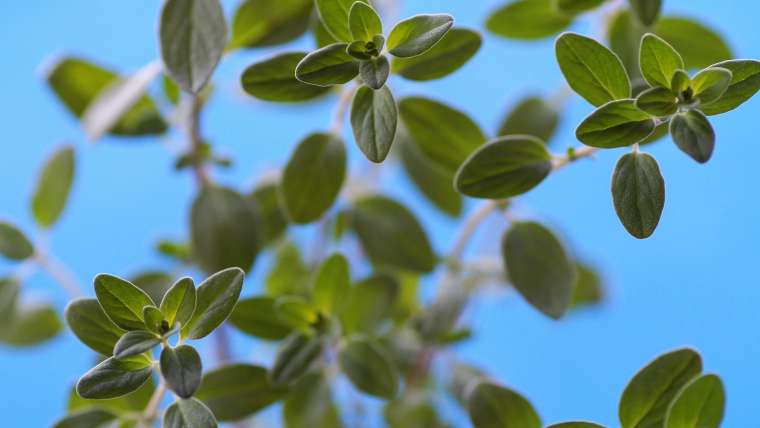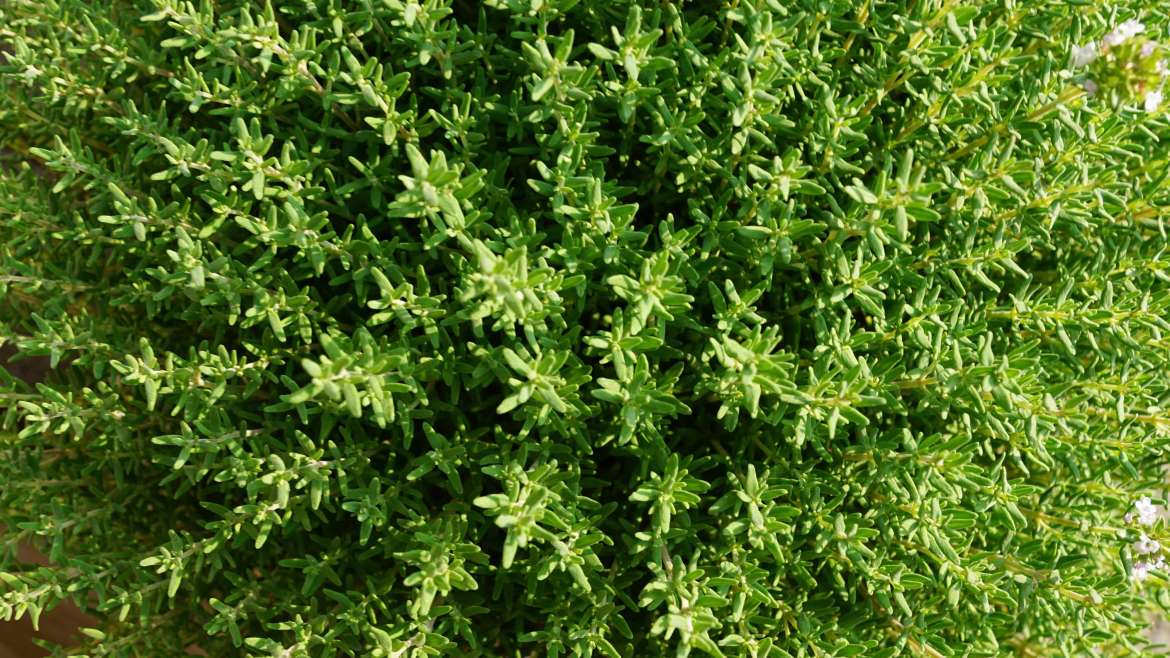
Thyme. It’s one of those herbs that sounds simple but packs a punch. If you’ve never used it, imagine if a pine tree and a lemon decided to team up—herbal, earthy, and just the right amount of citrusy zing to wake up your taste buds. Thyme’s versatile, and it’s got that rich, savory flavor that elevates everything from stews to roasted veggies. Plus, it’s packed with antioxidants, so you can feel good about sprinkling it on pretty much anything.
Thyme’s a bit of a slow starter, though. It likes to be planted in the spring, and if you’re lucky, it’ll be thriving by summer. It’s pretty hardy, can withstand a little drought, and doesn’t mind the heat as long as you don’t drown it. But let’s be real—don’t expect it to thrive if you forget about it in a pot on the windowsill. It’s happiest when it has room to grow in the garden.
The plant itself? A true beauty. Tiny green leaves that are a joy to run your fingers through, and when it flowers, it’s like a little puff of purple magic that attracts bees like crazy. So if you’re into keeping things fragrant and buzzing with life, thyme’s got your back. And hey, it’s not just a kitchen hero—it’s got some health benefits too, from boosting immunity to helping with digestion. A win-win!
How to Grow Thyme
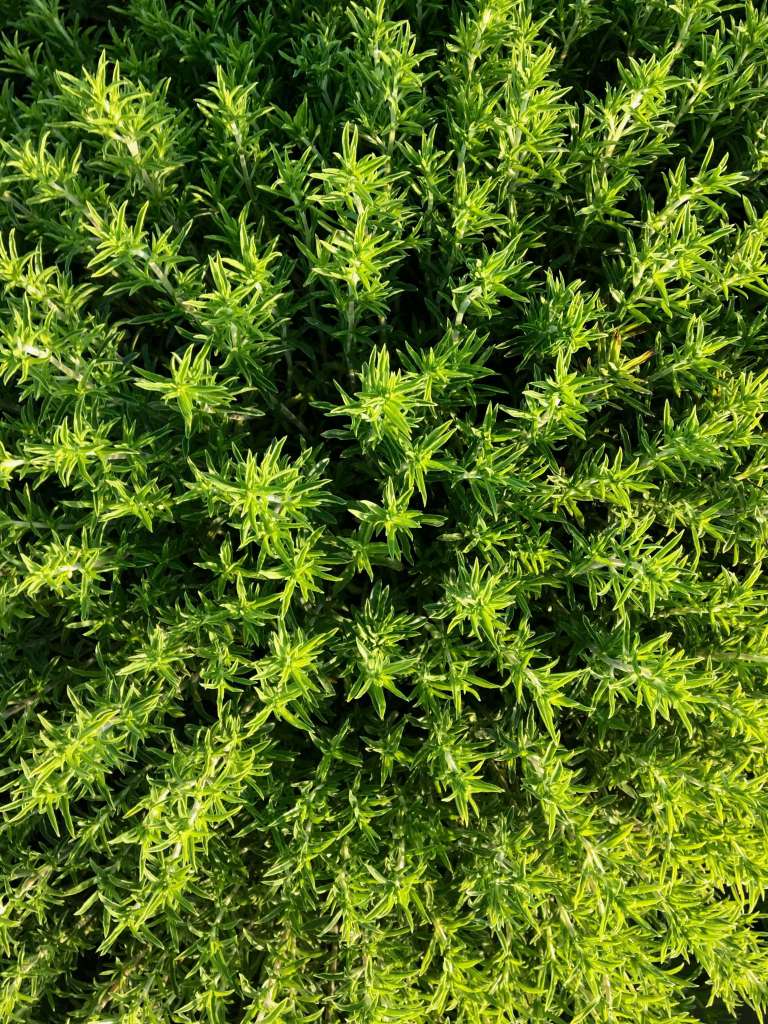
Growing thyme offers several benefits, both culinary and beyond. Check out below guide.
Planting Thyme
- Choosing the Right Location: Thyme thrives in full sun and well-draining soil. It prefers a location with at least 6 hours of sunlight daily. Thyme also grows well in containers.
- Soil Preparation: Thyme prefers slightly alkaline soil with a pH of 6.0 to 8.0. Amend the soil with compost or well-rotted manure to improve drainage.
- Planting Seeds or Seedlings:
- Seeds: Start thyme seeds indoors 6-10 weeks before the last frost date. Lightly press the seeds into the soil without covering them too deeply, as they need light to germinate.
- Seedlings: Transplant thyme seedlings outdoors after the last frost, spacing them about 12-24 inches apart, depending on the variety.
- Watering: Water the plants lightly after planting. Once established, thyme is drought-tolerant and only needs watering when the soil is completely dry.
Growing Thyme
- Care and Maintenance:
- Pruning: Regularly prune thyme to encourage bushier growth. Cut back the stems after the plant flowers to keep it tidy.
- Fertilizing: Thyme doesn’t need much fertilizer. Too much nitrogen can result in leggy growth and reduced flavor. A light application of compost in the spring is sufficient.
- Companion Planting: Thyme grows well with other herbs like rosemary and sage. It also deters pests, making it a good companion plant for vegetables like tomatoes and cabbage.
Harvesting Thyme
- When to Harvest: Thyme can be harvested anytime during the growing season, but the best flavor is achieved just before the plant flowers.
- How to Harvest: Use scissors or pruning shears to cut off the top 5-6 inches of the stems. Avoid cutting back more than one-third of the plant at a time to allow for continued growth.
- Storing Thyme:
- Fresh: Thyme can be used fresh or stored in the refrigerator wrapped in a damp paper towel.
- Drying: To dry thyme, hang small bundles of stems upside down in a cool, dark, well-ventilated area. Once dry, strip the leaves from the stems and store them in an airtight container.
Tips for Growing Thyme
- Winter Care: Thyme is hardy and can survive light frost, but in colder climates, mulch the plants with straw or cover them with a frost cloth to protect them during the winter.
- Pest and Disease Control: Thyme is relatively pest-resistant. Ensure good air circulation around the plants to prevent fungal issues, especially in humid climates.
Thyme Growing Zone
Thyme is a versatile herb that can grow in a wide range of climates. It is hardy in USDA zones 4 through 9. Here’s a breakdown of thyme’s growing zones:
- Zone 4: Thyme can survive in cold climates with winter temperatures as low as -30°F (-34°C). However, it may require some protection, such as mulching, during the winter months.
- Zone 5-6: Thyme thrives well in these zones with moderate winters and warm summers. It usually does not need winter protection.
- Zone 7-9: Thyme grows robustly in these warmer climates, where winters are mild. The herb enjoys the heat and can be grown year-round in these zones.
Growing Thyme FAQ
Begin by selecting non-flowering stems from a mature thyme plant. Cut a 3-4 inch section just below a leaf node, and remove the lower leaves from the cutting. Insert the stripped end of the cutting into the soil, ensuring that at least two nodes are buried. Water the soil lightly and cover the pot with a plastic bag to create a humid environment. Place the pot in a warm, bright location but out of direct sunlight. In about 4-6 weeks, the cutting should develop roots.
Thyme can be grown indoors as long as it gets plenty of sunlight. Place it in a south-facing window or under a grow light for best results.
Plant the thyme seeds or a small seedling, ensuring it’s placed in a spot where it will receive at least 6 hours of sunlight daily. Water the plant sparingly, allowing the soil to dry out between waterings. Prune the thyme regularly to encourage bushier growth and prevent it from becoming woody.
Thyme thrives in full sun and well-drained soil. It’s perfect for rock gardens, raised beds, and containers.
Prune thyme regularly to encourage bushy growth. Cut back the stems after flowering and trim any woody, leggy growth in the spring.
Harvest thyme by cutting the stems just before the plant flowers, which is when the flavor is at its peak. You can use fresh thyme immediately or dry it for later use.
Sign up to get our FREE weekly emails
Gardening guides, tips, & videos delivered right to your inbox!