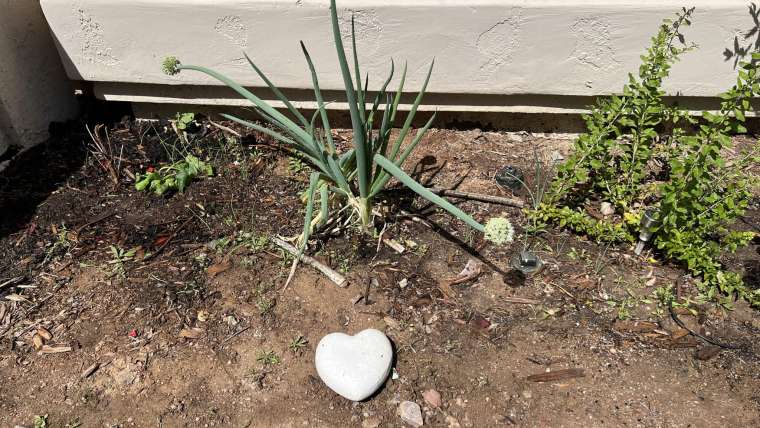
Chives. They might not sound like much, but trust me, these little guys punch way above their weight. Imagine if garlic and onion had a baby that didn’t take up all your kitchen space. They’re fresh, fragrant, and add that perfect zesty kick to just about any dish without overwhelming it. Honestly, chives are one of the easiest and most rewarding herbs to grow.
They pop up in early spring, and if you’re lucky, you’ll get a harvest in just a few weeks. And here’s the kicker—chives are perennial, so they’ll come back year after year without you needing to do much except give them a little love.
Not only do they tolerate cold weather like a champ, but they also thrive in pretty much any soil, so don’t sweat the details. Keep them watered, give them a sunny spot, and they’ll take care of the rest. And pro tip: if you cut them regularly, they’ll just keep growing.
The plant itself? A real charmer—long, slender green leaves that sway in the breeze like nature’s own hairbrush. Oh, and they’re packed with nutrients—antioxidants, vitamins, and even some antibacterial power. So, you’re basically eating something that’s good for you and your taste buds.
How to Grow Chives
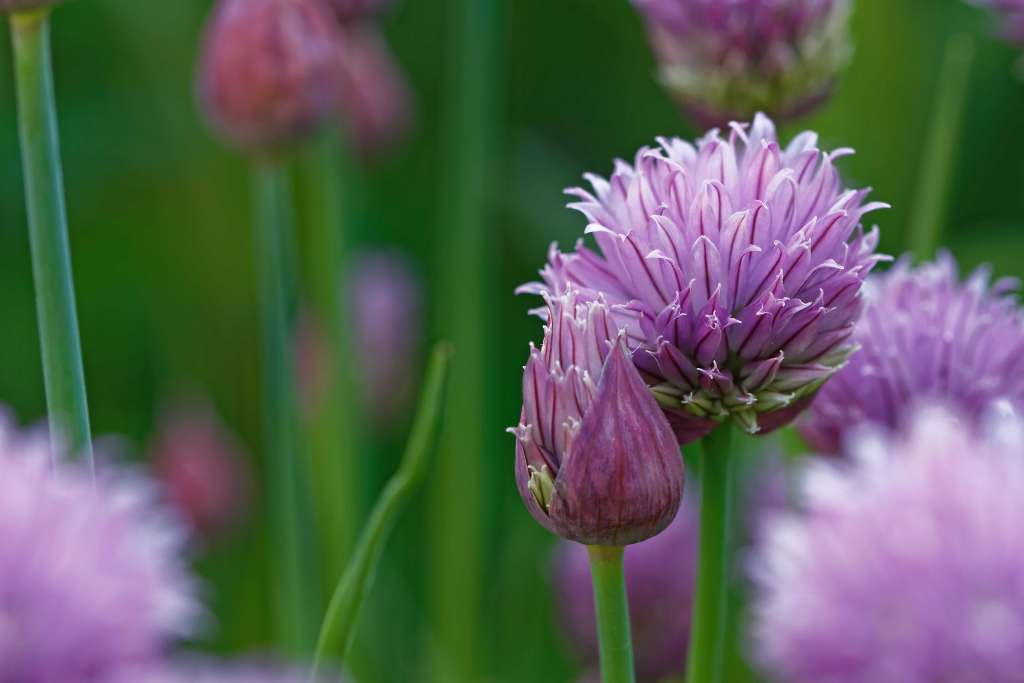
Growing chives is a simple and rewarding gardening activity that even beginners can manage. Chives are hardy perennials that belong to the onion family and are known for their mild, onion-like flavor.
They grow in clumps of slender, green, hollow stems that can be harvested throughout the growing season.
Planting Chives
- Choosing a Location:
- Chives thrive in full sun but can tolerate partial shade.
- Choose a spot with well-drained soil rich in organic matter.
- Soil Preparation:
- Chives prefer a soil pH of 6.0 to 7.0.
- Work compost or well-rotted manure into the soil before planting.
- Planting Seeds or Transplants:
- From Seeds: Start seeds indoors 6-8 weeks before the last frost or sow them directly into the garden after the danger of frost has passed.
- Transplants: If using transplants, space them 8-12 inches apart. Dig a hole slightly larger than the root ball, place the plant, and cover with soil.
- Plant chives ¼ inch deep.
- Watering:
- Keep the soil consistently moist, especially during germination or transplant establishment.
Growing Chives
- Maintenance:
- Water regularly to keep the soil evenly moist.
- Apply a balanced fertilizer in the early spring.
- Mulch around the plants to retain moisture and suppress weeds.
- Division:
- Chives can become overcrowded. Divide clumps every 2-3 years in the spring or fall to maintain plant health and vigor.
- Pests and Diseases:
- Chives are generally pest-resistant but may occasionally attract aphids.
- Prevent fungal diseases by ensuring proper air circulation and avoiding overhead watering.
Harvesting Chives
- When to Harvest:
- You can begin harvesting chives once the plants are established, usually about 60 days after planting.
- For best flavor, harvest in the morning after the dew has dried.
- How to Harvest:
- Use sharp scissors to snip off the leaves, cutting them down to about 1-2 inches above the soil.
- Regular harvesting encourages the plant to produce more leaves.
- Using Chives:
- Chives are best used fresh but can be dried or frozen.
- Use chives in salads, soups, dips, and as a garnish.
- Harvesting Flowers:
- Chive flowers are edible and can be harvested for salads or garnishes.
- Snip the flower stems close to the base of the plant.
Chives Growing Zone
Chives (Allium schoenoprasum) are a hardy perennial herb that can be grown in a wide range of climates. They are typically grown in USDA Hardiness Zones 3-9. Here’s a brief overview of what this means:
- Zones 3-4: Chives can survive in colder climates, though they may die back in winter. Mulching can help protect the plants during the coldest months.
- Zones 5-6: These zones offer ideal growing conditions for chives. They will come back each year with minimal winter protection.
- Zones 7-9: Chives thrive in these warmer climates, often growing year-round in the mildest areas. In very hot climates, some shade might be necessary to prevent the plants from wilting.
Tips
- Companion Planting: Chives can be planted near carrots, tomatoes, and roses to help deter pests.
- Overwintering: In colder climates, chives can die back in winter but will regrow in the spring. You can also pot chives and bring them indoors to grow during winter.
Growing Chives FAQ
Chives are a perennial plant belonging to the onion family, known for their mild onion flavor. They are commonly used in cooking for garnishing and seasoning. Chives are easy to grow, require minimal maintenance, and can be harvested multiple times throughout the growing season.
Chives can be planted in early spring, as soon as the soil is workable, or in the fall for a spring harvest. They can also be started indoors 6-8 weeks before the last frost date.
Plant chive seeds about ¼ inch deep in the soil, spacing them 8-12 inches apart. If planting seedlings, space them 4-6 inches apart. Chives can also be propagated by dividing mature plants.
Harvest chives by cutting the leaves about 1-2 inches above the soil level with scissors. Regular harvesting encourages new growth. Avoid cutting more than one-third of the plant at a time to ensure continued growth.
Yes, chives grow well indoors in a pot with good drainage. Place the pot in a sunny spot, such as a windowsill, and water regularly. Ensure they receive enough light, or supplement with grow lights if necessary.
Sign up to get our FREE weekly emails
Gardening guides, tips, & videos delivered right to your inbox!