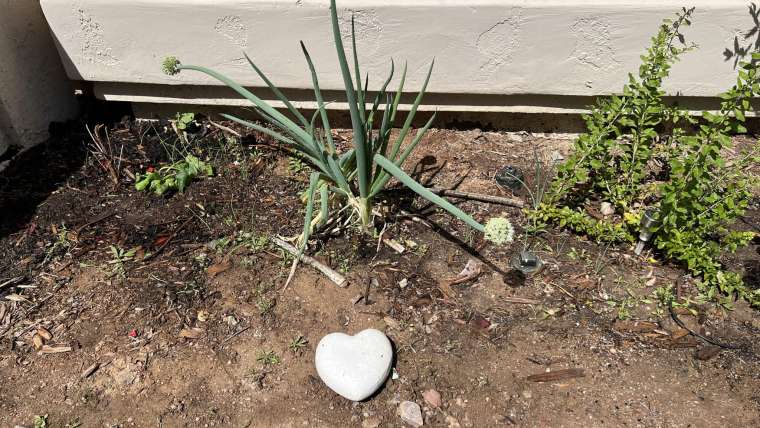
If you’re someone who loves fresh, organic ingredients or is looking to take your gardening to the next level, growing edible mushrooms in your own garden could be a game-changer. Not only do mushrooms add incredible flavor and nutrition to your meals, but they’re also easy to grow in the right conditions. Regardless if you have a small backyard or ample garden space, cultivating edible mushrooms can be a rewarding and sustainable way to enjoy one of nature’s most unique foods.
Why Grow Edible Mushrooms in Your Garden?
Before diving into the types of edible mushrooms you can grow, let’s first explore why cultivating mushrooms in your garden makes sense.
- Nutritional Powerhouse: Mushrooms are packed with essential vitamins like B-vitamins (B2, B3, B5, B7, and B12), vitamin D, antioxidants, and essential minerals such as potassium, phosphorus, and magnesium. They also provide dietary fiber, which promotes digestion and overall gut health.
- A Sustainable Option: Growing your own mushrooms reduces the need for transportation and packaging, minimizing your carbon footprint. Plus, mushrooms are a great option for garden waste recycling. They thrive on organic matter, such as straw, sawdust, and coffee grounds, making them an eco-friendly choice.
- Great for Small Spaces: Unlike traditional vegetable gardening, mushrooms don’t require a lot of space. They can be cultivated in shady corners of your garden, under trees, or even indoors if you prefer. All you need is the right conditions and a bit of patience.
- Flavors Beyond the Ordinary: Mushrooms provide a deep, umami flavor that can elevate any dish. Growing your own opens up a world of unique and flavorful mushroom varieties that are often expensive or hard to find in stores.
The Best Edible Mushrooms to Grow in Your Garden
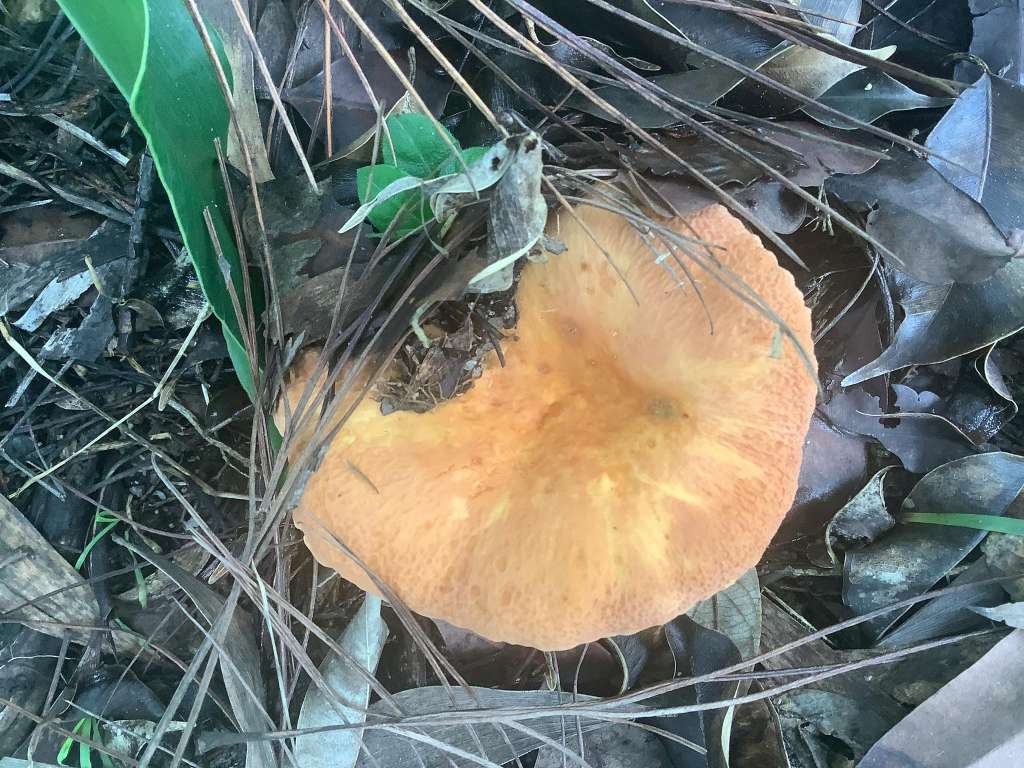
When it comes to growing mushrooms, you’ll find that different varieties thrive under different conditions. Below are some of the most popular and beginner-friendly edible mushrooms you can cultivate at home.
1. Oyster Mushrooms (Pleurotus ostreatus)
Why grow them? Oyster mushrooms are one of the easiest types to grow, making them ideal for beginners. They’re fast-growing and produce an abundant harvest in just a few weeks. Oyster mushrooms have a delicate flavor that’s perfect for soups, stir-fries, and pasta dishes.
Growing Conditions: Oyster mushrooms thrive in shaded areas with moist conditions. They’re commonly grown on straw, sawdust, or wood logs. You can buy mushroom spawn to inoculate your substrate, and with proper care, your oyster mushrooms will start to grow in as little as 3 to 4 weeks.
Harvesting: Harvest when the caps are still tender and have not flattened out completely. If left too long, they may begin to release spores, affecting their taste and texture.
2. Shiitake Mushrooms (Lentinula edodes)
Why grow them? Shiitake mushrooms are renowned for their rich, savory flavor, which adds depth to broths, sauces, and stir-fries. These mushrooms are often used in traditional Asian cuisine and are celebrated for their medicinal properties, including boosting the immune system.
Growing Conditions: Shiitakes are typically grown on logs, particularly hardwood like oak, maple, or birch. They require a bit more patience than oyster mushrooms since it takes several months to produce fruiting bodies. However, once you’ve inoculated the logs, you can harvest shiitakes for years to come, making them a long-term investment in your garden.
Harvesting: Shiitake mushrooms are ready to harvest when their caps are fully open but still have a slight curl on the edges. You can gently twist them off the log, being careful not to damage the surrounding mycelium.
3. Lion’s Mane (Hericium erinaceus)
Why grow them? Lion’s mane mushrooms are not only delicious but have been used in traditional medicine for their potential cognitive benefits. Their mild, seafood-like flavor makes them perfect for frying or adding to vegetarian dishes as a meat substitute.
Growing Conditions: Lion’s mane mushrooms prefer cooler, shaded spots and can be grown on hardwood sawdust or logs. They require a relatively high humidity level to thrive, so keeping them in a moist environment is key to success.
Harvesting: The mushrooms are ready to harvest when the spines are long and white. Be sure to pick them early, before they begin to turn yellow or brown.
4. Button Mushrooms (Agaricus bisporus)
Why grow them? The button mushroom is the most common mushroom variety found in grocery stores, but growing them yourself ensures they’re fresh and pesticide-free. You can also experiment with growing them in your own style.
Growing Conditions: Button mushrooms can be grown indoors or in shady, humid areas of your garden. They thrive in composted manure or soil that has been amended with organic matter. These mushrooms require temperatures between 55-65°F (13-18°C) for optimal growth.
Harvesting: Harvest button mushrooms when the caps are still tightly closed. If they’re left too long, they may open up, revealing the gills underneath. Be careful not to disturb the substrate when harvesting, as it can affect future crops.
5. Enoki Mushrooms (Flammulina velutipes)
Why grow them? Enoki mushrooms have long, slender stems and small, white caps. They’re crunchy, mild in flavor, and often used in salads, soups, and sushi. They’re a great addition to any garden due to their unique look and versatility in cooking.
Growing Conditions: Enoki mushrooms need cooler temperatures (45-50°F/7-10°C) to grow properly, which makes them ideal for fall and spring gardening. They can be grown indoors in containers or outdoors on logs, and they prefer slightly acidic, rich soil.
Harvesting: Enoki mushrooms are ready to harvest when the caps are still tightly closed and the stems are long and slender. Make sure to pick them before the caps open up, as they may lose their texture.
6. Maitake (Grifola frondosa)
Why grow them? Also known as “Hen of the Woods,” maitake mushrooms are prized for their earthy, woodsy flavor. They are commonly used in soups, stews, and even as a meat substitute due to their hearty texture.
Growing Conditions: Maitake mushrooms grow well on hardwood logs or sawdust, especially on oak and maple. They require a humid, cool environment and a shady spot in your garden to thrive.
Harvesting: Maitake mushrooms grow in large clusters and are ready to harvest when the caps are firm and still white or light brown. The mushrooms should be picked when they’re young, as they lose flavor as they mature.
Tips for Growing Edible Mushrooms
Growing mushrooms in your garden requires a little knowledge and care, but with the right conditions, it’s a relatively simple process. Here are a few essential tips to help you get started:
- Choose the Right Spot: Most edible mushrooms thrive in shaded, cool areas with high humidity. Ensure your growing spot is away from direct sunlight, and try to keep it moist by using a misting system or covering your mushroom bed with a damp cloth.
- Use Mushroom Spawn: Mushroom spawn is the equivalent of seeds for mushrooms. You can purchase spawn for various types of mushrooms from gardening stores or online. It’s essential to choose high-quality spawn to ensure a successful harvest.
- Maintain Moisture: Mushrooms thrive in moist conditions, so make sure to water them regularly. Keep an eye on the moisture level, as too much water can lead to mold growth, while too little can cause the mushrooms to dry out.
- Be Patient: Mushrooms take time to grow, so don’t expect instant results. Depending on the variety, it can take anywhere from a few weeks to several months to harvest your mushrooms.
- Protect from Pests: While mushrooms are generally resistant to pests, they can still be affected by insects, such as slugs and snails. Make sure to check your growing beds regularly and take preventive measures.
FAQs
Edible mushrooms are fungi that can be consumed safely by humans. They come in various types, including button mushrooms, portobello, shiitake, oyster, and morel mushrooms. These mushrooms are not only delicious but also nutritious.
Yes, some mushrooms are toxic or even deadly. It is essential to differentiate between edible and poisonous mushrooms. Toxic mushrooms like the death cap can cause severe poisoning or death. Always seek professional guidance before foraging or consuming wild mushrooms.
Some edible mushrooms, like white buttons, can be eaten raw in salads, but others, like portobello or shiitake, should be cooked to enhance their flavor and improve digestibility. Cooking also helps eliminate potential toxins in some wild mushrooms.
Yes, mushrooms can be grown indoors or outdoors. Common varieties like oyster, shiitake, and button mushrooms can be cultivated using mushroom kits, logs, or a controlled environment with the right substrate (e.g., straw, sawdust, or compost).
Yes, white mushrooms are also called button mushrooms when they are young and harvested at an immature stage. As they grow, they develop into larger portobello mushrooms, which have darker caps. The button mushrooms have a delicate flavor, while portobellos are more robust and meaty.
Conclusion: Start Growing Your Own Edible Mushrooms Today
Growing edible mushrooms in your garden can be both a fun and rewarding experience. Not only will you have fresh, flavorful mushrooms at your fingertips, but you’ll also be able to enjoy the satisfaction of growing your own food. Whether you’re an experienced gardener or a beginner, there’s a variety of mushrooms that will thrive in your garden.
So, what are you waiting for? Start planning your mushroom garden today and enjoy the bountiful harvest of edible mushrooms right in your own backyard!
Sign up to get our FREE weekly emails
Gardening guides, tips, & videos delivered right to your inbox!