
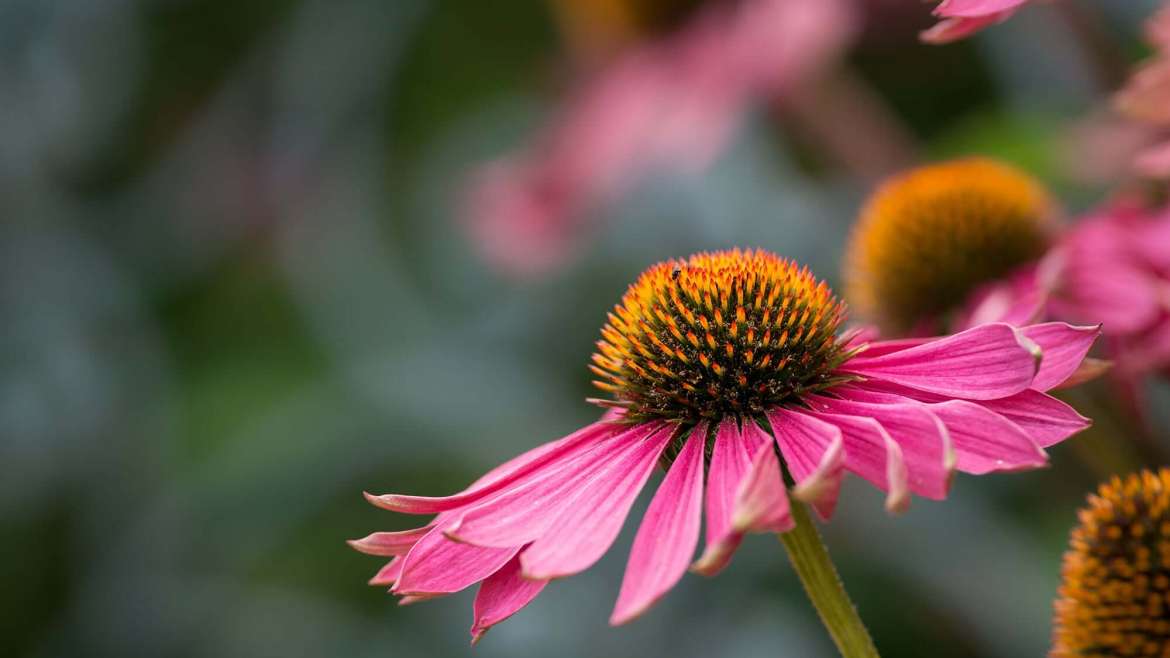
Echinacea. Weird name, powerful plant. If you’ve never heard of it, imagine a wildflower with the power to fight off colds and boost your immune system. Native to North America, this purple coneflower isn’t just a pretty face in the garden; it’s a medicinal powerhouse. Packed with antioxidants and natural healing properties, echinacea has earned its spot as a staple in herbal medicine.
It thrives in the summer, soaking up the sun and attracting pollinators like bees and butterflies. It’s tough, too—perfect for beginners, because it can survive in poor soil and doesn’t require constant babysitting. Echinacea loves well-drained soil and a little space to spread out, so don’t cram it into tight spots.
And here’s the kicker: it’s not just a garden decoration. People have been brewing it into teas or popping it in supplement form to fend off colds or reduce inflammation. But don’t go thinking you can grow a magical immune-boosting plant overnight—it needs a couple of seasons to really shine, so be patient with it.
The plant itself? Striking. Those spiky, purple petals and the bold cone-shaped center make it look like something from a garden in Wonderland. Plus, it’s as tough as nails—standing tall even in the harshest weather.
How to Grow Echinacea / Coneflowers

Growing Echinacea, or coneflower, offers numerous benefits, making it a valuable addition to any garden. Its vibrant blooms attract pollinators like bees and butterflies, supporting a healthy ecosystem while adding color to the landscape.
Planting Echinacea/Coneflowers
- Choosing the Right Location:
- Sunlight: Coneflowers thrive in full sun, requiring at least 6 hours of direct sunlight per day.
- Soil: They prefer well-drained soil but can tolerate poor soil conditions. Adding compost to enrich the soil can help.
- Spacing: Space the plants 1 to 3 feet apart to allow for proper air circulation and growth.
- Planting:
- When to Plant: Plant coneflower seeds in the spring after the last frost, or plant nursery-grown plants anytime during the growing season.
- Planting Depth: For seeds, plant them just below the soil surface, about 1/4 inch deep. If planting seedlings, dig a hole large enough to accommodate the root ball, place the plant, and cover with soil.
Growing Echinacea
- Watering:
- Keep the soil moist, especially during the first year to help establish the plants. Once established, coneflowers are drought-tolerant and only need watering during prolonged dry periods.
- Fertilizing:
- Coneflowers generally don’t need much fertilization. If desired, use a balanced, slow-release fertilizer in the spring.
- Maintenance:
- Deadheading: To encourage more blooms, deadhead spent flowers by cutting the stem back to the first set of leaves. If you want to encourage self-seeding, leave some flowers to mature and produce seeds.
- Mulching: Apply a layer of mulch around the plants to retain moisture and suppress weeds.
Harvesting Echinacea
- When to Harvest:
- Harvest Echinacea blooms for fresh bouquets when they are fully open. For drying, cut the stems when the flowers are nearly open.
- Medicinal Use: The roots, leaves, and flowers can be harvested in the fall for medicinal purposes, such as making teas or tinctures.
- How to Harvest:
- Use sharp garden scissors or pruning shears to cut the stems, leaving a few inches of stem attached to the flower for easier handling.
- Storing and Preserving:
- Fresh Flowers: Place fresh-cut flowers in a vase with water to enjoy them indoors.
- Drying: Hang the cut flowers upside down in a cool, dry, and dark place to dry. Once dried, store them in an airtight container away from direct sunlight.
Tips:
- Echinacea/Coneflowers are perennial plants, meaning they will return year after year. In colder climates, they may die back in winter and re-emerge in spring.
- They attract pollinators like bees and butterflies, making them great for a wildlife-friendly garden.
- In late fall, allow some flower heads to remain to provide seeds for birds and self-seeding for new plants in the following spring.
Echinacea Growing Zone
Echinacea, commonly known as coneflower, typically thrives in USDA Hardiness Zones 3 through 9.
This range covers a broad spectrum of climates, from the cooler northern regions to the warmer southern areas of the US.
Echinacea plants are known for their ability to withstand cold winters and hot summers, making them a versatile option for many gardeners across different regions.
Growing Echinacea FAQ
Echinacea, also known as coneflower, is a hardy perennial plant native to North America. It’s known for its vibrant, daisy-like flowers and medicinal properties, particularly in supporting the immune system.
Place the seeds on the surface of a seed-starting mix, pressing them lightly into the soil without covering them, as they need light to germinate. Keep the soil moist and maintain a temperature of around 70°F (21°C). Germination typically takes 10-20 days.
Echinacea typically blooms from mid-summer to early fall. The blooming period can last several weeks, and deadheading spent flowers can extend it further.
Echinacea thrives in full sun and well-drained soil. It prefers a soil pH between 6.0 and 7.0 but is adaptable to a variety of soil types, including sandy and clay soils.
Water Echinacea regularly during the first growing season to establish a deep root system. Once established, the plants are drought-tolerant and only need watering during prolonged dry periods.
Echinacea is low-maintenance. Deadhead spent flowers to encourage more blooms and cut back the plants in late fall or early spring to promote healthy growth. Mulching around the base can help retain soil moisture and suppress weeds.
Yes, Echinacea can be grown in containers. Choose a large pot with good drainage and use a high-quality potting mix. Ensure the container receives full sun and water it regularly.
Echinacea can be propagated by division, cuttings, or seeds. Divide mature plants in early spring or late fall, and take root cuttings in spring for best results.
Echinacea plants typically live for 3-5 years, but with proper care, they can survive longer. Regularly dividing and replanting can help rejuvenate older plants.
Echinacea is generally considered safe for pets, but as with any plant, it’s best to consult with your veterinarian if you have concerns about your pet’s health.
While Echinacea prefers full sun, it can tolerate partial shade. However, the plant may not bloom as profusely, and the stems might become leggy.
Sign up to get our FREE weekly emails
Gardening guides, tips, & videos delivered right to your inbox!


