
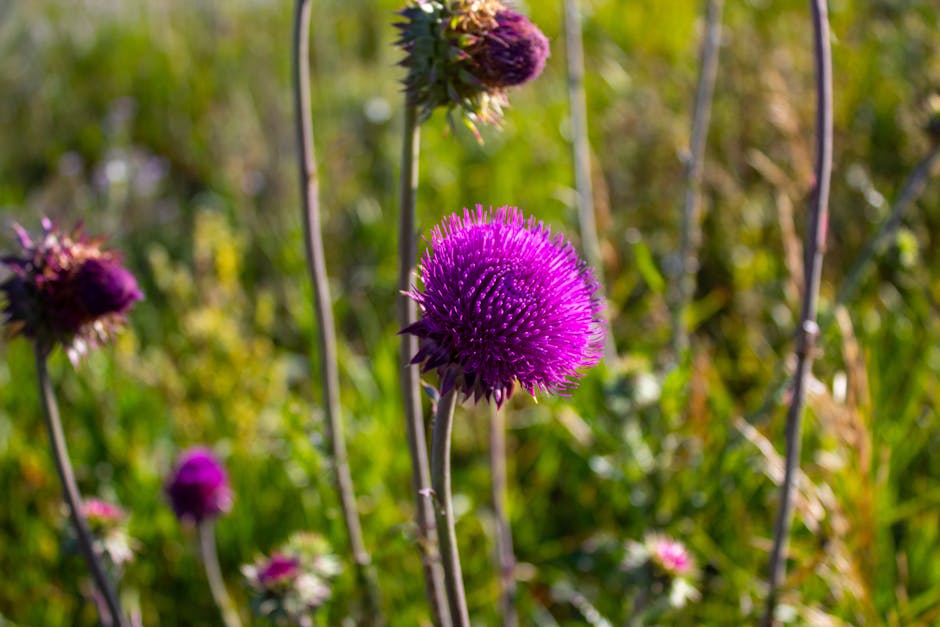
Milk thistle is a quite popular herb known for its medicinal properties, particularly its ability to support liver health. While its striking purple flowers and white-veined leaves make it a beautiful addition to any garden, this hardy plant can also benefit from the practice of companion planting.
Companion planting involves growing different plant species together to enhance growth, deter pests, and promote a healthier, more productive garden.
In this post, we’ll explore why you should consider companion planting for milk thistle, the best plants to grow alongside it, plants to avoid, and some helpful tips for success.
Why You Should Consider Companion Planting for Milk Thistle
Companion planting isn’t just about making your garden look attractive; it’s also about improving the health and productivity of the plants growing within it. For milk thistle, companion planting can offer several key benefits:
- Pest Control: Like many other plants, milk thistle is susceptible to pests such as aphids, caterpillars, and leafhoppers. Certain companion plants can help deter these pests by emitting scents or producing chemicals that are unappealing to insects. For example, the strong smell of some herbs can confuse or repel aphids and other bugs that might target your milk thistle.
- Improved Soil Health: Companion plants can also help improve soil health. Some plants, like legumes, can fix nitrogen in the soil, making it richer and more fertile for your milk thistle. Healthy soil supports stronger plant growth and reduces the need for chemical fertilizers, which can harm the environment.
- Better Pollination: The vibrant flowers of milk thistle can attract a variety of pollinators such as bees and butterflies. Planting companions that also attract pollinators can boost the pollination process, leading to more seeds and a healthier overall garden ecosystem.
- Shade and Protection: Milk thistle thrives in full sun, but certain companion plants can help protect it from harsh winds or extreme temperatures, especially during the hotter months. This is particularly important in areas with intense summer heat or in regions that experience fluctuating temperatures.
- Space Efficiency: Companion planting also allows gardeners to make the most of limited space. By growing plants with complementary growth habits, such as those that grow at different heights or have different root structures, you can ensure that your garden space is maximized while also reducing competition for resources.
Best Companion Plants for Milk Thistle
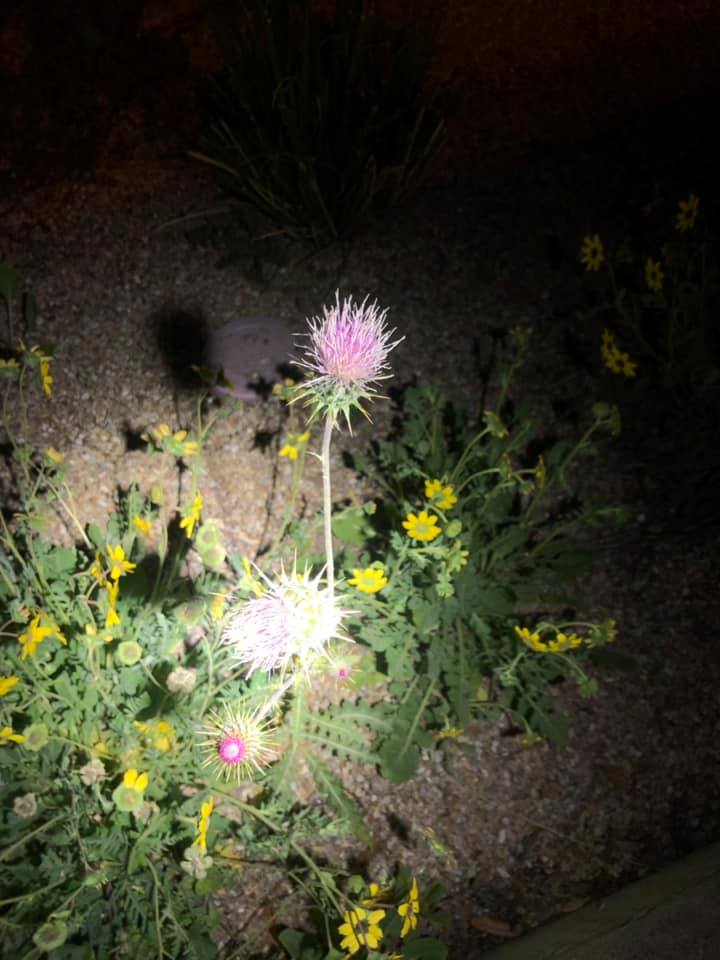
When choosing companion plants for milk thistle, it’s important to consider the plant’s specific growing needs and characteristics. Here are some of the best companion plants that can help enhance the growth of milk thistle:
- Basil. Basil is an excellent companion for milk thistle, as its strong scent helps repel aphids, mosquitoes, and flies that can be harmful to the thistle. Additionally, basil’s ability to grow quickly and in the same sunny conditions as milk thistle makes it a perfect fit for companion planting. Furthermore, basil’s aromatic leaves can enhance the flavor of any nearby vegetables or herbs, making it a double-duty plant.
- Chamomile. Chamomile is known for its calming properties, but it also offers some benefits in the garden. Its flowers can attract beneficial insects like ladybugs and hoverflies, which are natural predators of pests that may otherwise attack your milk thistle. Chamomile is also great for improving soil health, as its roots help aerate the soil, creating a better growing environment for milk thistle.
- Garlic. Garlic is an excellent companion for milk thistle because of its natural ability to repel pests, including aphids, slugs, and snails. These pests can damage milk thistle leaves and hinder its growth. Garlic also has antifungal properties, which can help prevent certain fungal diseases from affecting your plants. Furthermore, garlic thrives in similar conditions to milk thistle and doesn’t require much space, making it an ideal companion plant.
- Clover. Clover is a fantastic ground cover plant that can work wonders in a milk thistle garden. As a legume, clover has the ability to fix nitrogen into the soil, enriching the surrounding earth and providing vital nutrients for milk thistle. Additionally, clover can help suppress weeds, which can otherwise compete with milk thistle for resources like water and sunlight.
- Yarrow. Yarrow is another great companion for milk thistle. This hardy herb attracts beneficial insects, such as predatory beetles, which help keep pests in check. Yarrow’s medicinal properties also make it an interesting and useful addition to a herb garden, complementing milk thistle’s own therapeutic benefits. Furthermore, yarrow’s ability to tolerate poor soil conditions and drought makes it a resilient partner for your milk thistle.
Plants to Avoid Planting Near Milk Thistle
While there are many plants that complement milk thistle well, there are also those that should be avoided. These plants either compete with milk thistle for resources, attract pests, or otherwise negatively impact the growth of the thistle. Here are some plants to keep away from your milk thistle garden:
- Tomatoes. Tomatoes are often considered a poor companion for milk thistle due to their similar water and nutrient requirements. Both plants can become stressed if they are competing for the same resources, leading to reduced growth and productivity. Additionally, tomatoes are prone to attracting pests like aphids, which can also affect your milk thistle.
- Potatoes. Like tomatoes, potatoes should be avoided near milk thistle because they share similar soil and space requirements. Both plants can also be vulnerable to the same soil-borne diseases, such as blight, which could make them more susceptible to problems when planted too close to each other. Avoiding potato plants will help reduce the risk of disease transmission and competition for nutrients.
- Carrots. Carrots can also pose a problem when planted near milk thistle. Carrots grow deep roots, which can take up valuable nutrients and water that your milk thistle needs. Additionally, carrots may attract pests such as root flies, which can cause damage to your thistle’s root system.
- Onions. Onions are another plant that should be avoided near milk thistle. Onions are known to excrete chemicals that can inhibit the growth of nearby plants. These compounds can prevent your milk thistle from thriving and potentially stunt its development. Additionally, onions are susceptible to fungal diseases, which could spread to your milk thistle plants.
- Fennel. Fennel can be an invasive plant that tends to take up more space than necessary. It can compete with milk thistle for sunlight, water, and nutrients, ultimately reducing the overall health of both plants. Furthermore, fennel can release chemicals that inhibit the growth of other plants in the garden, which could harm your milk thistle.
Tips for Growing Companion Plants with Milk Thistle
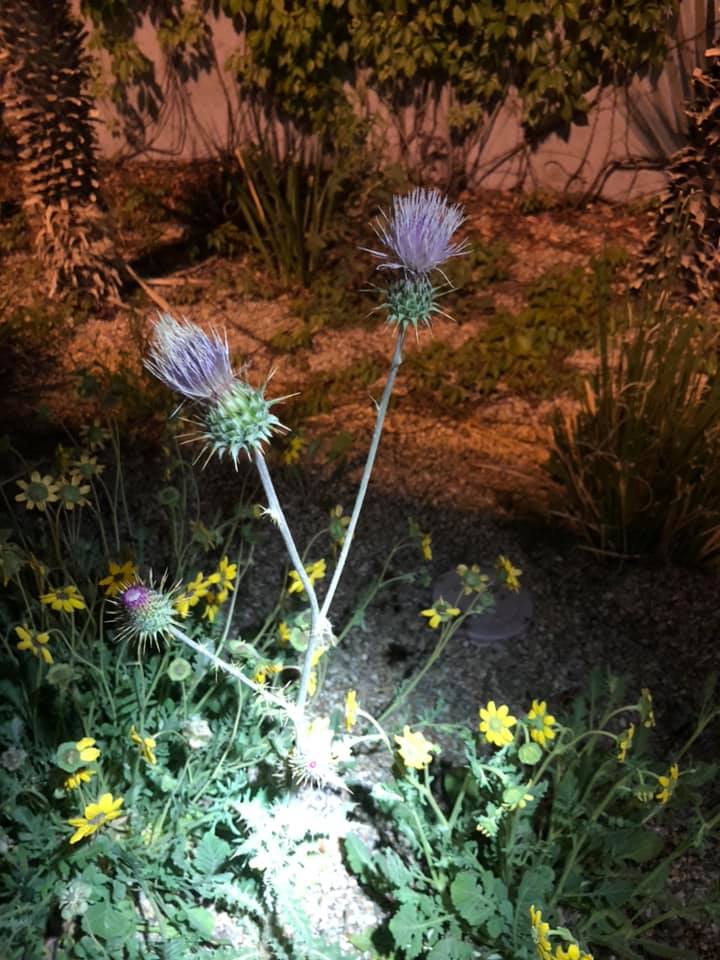
Companion planting is a powerful tool for creating a more harmonious and productive garden. Here are some tips for successfully growing companion plants with your milk thistle:
- Plan Your Garden Layout. When planning your milk thistle garden, consider the growth habits of both your thistle and its companions. For example, basil and chamomile are both relatively compact plants, so they can be planted near the base of your milk thistle to maximize space. On the other hand, plants like clover or garlic can be planted around the perimeter or between rows of thistles to create a natural barrier for pests.
- Monitor Watering Needs. While many companion plants for milk thistle require similar growing conditions, it’s important to monitor the watering needs of each plant. Milk thistle prefers well-drained soil and doesn’t like to sit in water. Be sure to water your garden regularly but avoid over-watering, which can lead to root rot and other issues. Companion plants like clover can help improve soil drainage, but it’s still important to monitor water levels carefully.
- Use Mulch. Applying mulch around your milk thistle and companion plants will help retain moisture in the soil, suppress weeds, and provide a steady supply of nutrients as the mulch breaks down. Organic mulches such as straw, grass clippings, or compost work well in companion plantings, as they also enrich the soil.
- Keep an Eye on Pest Levels. Regularly inspect your plants for signs of pests or diseases. While companion planting can help deter many common pests, no plant is completely immune. If you notice an issue, consider introducing additional natural pest control methods, such as beneficial insects or homemade insecticidal soap.
- Prune Regularly. Regular pruning of both milk thistle and its companions will encourage healthy growth and prevent overcrowding. Trim any dead or damaged leaves, and thin out any overgrown areas to allow better airflow between plants. This will help prevent fungal infections and promote better overall plant health.
Conclusion
Companion planting offers numerous benefits to milk thistle and can help you create a more productive, healthy, and aesthetically pleasing garden. By carefully selecting the right plants to grow alongside your milk thistle and avoiding those that may compete for resources or attract pests, you can enhance the growth of your thistle and create a flourishing garden ecosystem.
Sign up to get our FREE weekly emails
Gardening guides, tips, & videos delivered right to your inbox!


