
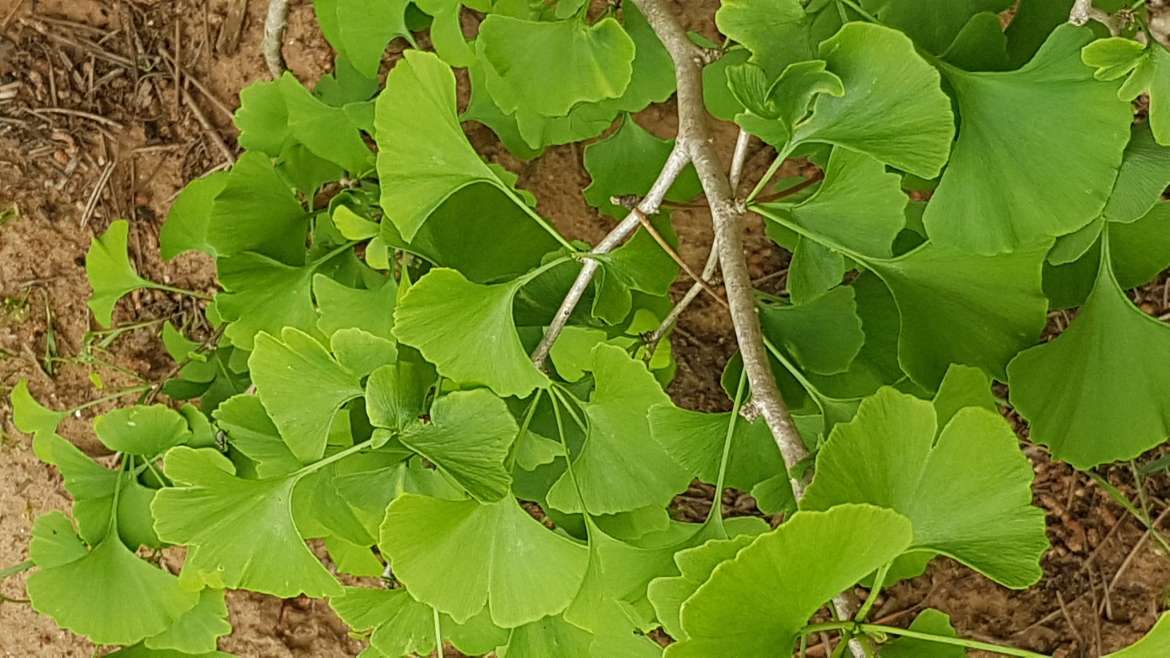
Ginkgo biloba, also known as the maidenhair tree, is one of the oldest living tree species, dating back over 200 million years. With its unique fan-shaped leaves, vibrant yellow foliage in the fall, and resilience to pests and disease, the ginkgo is a highly prized addition to many gardens.
However, despite its hardiness and low maintenance requirements, ginkgo trees can benefit from the practice of companion planting. Companion planting involves strategically placing different plants together to promote healthier growth, improve yields, or deter pests.
In this guide, we’ll explore why companion planting is beneficial for ginkgo trees, the best companion plants to grow alongside them, the plants to avoid, and tips for growing companion plants with ginkgo trees.
Why You Should Consider Companion Planting for Ginkgo
Companion planting offers several benefits when growing ginkgo trees. While ginkgo trees themselves are hardy and disease-resistant, they can still benefit from the support of certain plants around them. Here are some reasons why companion planting is a good idea:
1. Improved Soil Quality
Certain plants, such as nitrogen fixers, can enrich the soil around the ginkgo by adding essential nutrients. This can improve the soil structure and promote the growth of your ginkgo tree. Companion plants that help with soil aeration, drainage, and moisture retention can also create a healthier growing environment for your tree.
2. Pest Control
While ginkgo trees are known to be resistant to most pests, they aren’t immune to every type of insect or disease. Some companion plants act as natural pest repellents, helping to ward off harmful insects. These plants often produce strong scents, flowers, or oils that deter pests, such as aphids, beetles, and other common garden nuisances.
3. Aesthetic Appeal
Ginkgo trees are known for their striking fall color, but adding companion plants can enhance the visual appeal of your garden year-round. By choosing plants with complementary colors, textures, and growth habits, you can create a more visually dynamic and attractive landscape.
4. Support for Pollinators and Wildlife
Many companion plants can attract beneficial insects, such as bees, butterflies, and ladybugs, which help pollinate plants and control harmful insect populations. If you’re growing ginkgo for its medicinal or aesthetic qualities, attracting pollinators to your garden can increase the biodiversity and vitality of your growing space.
5. Maximizing Garden Space
In larger gardens, companion planting can help make the most of your available space. By pairing ginkgo trees with low-growing or ground-covering plants, you can create an ecosystem where multiple plants thrive in harmony without competing for resources.
Best Companion Plants for Ginkgo

When selecting companion plants for ginkgo trees, it’s important to choose species that will thrive in similar conditions. Ginkgo trees prefer well-drained soil, full sunlight, and are tolerant of both dry and wet conditions. Below are some of the best companion plants for ginkgo trees:
1. Lavender
Lavender is an excellent companion plant for ginkgo trees, as it thrives in well-drained, alkaline soil and requires full sunlight. The strong fragrance of lavender can help deter pests like aphids and flea beetles, which are common garden nuisances. Additionally, lavender’s striking purple flowers add a pop of color to your garden, making it a visually appealing choice.
2. Daylilies
Daylilies are a fantastic choice to plant alongside ginkgo trees because they are hardy, low-maintenance, and tolerant of dry conditions once established. These perennial plants bloom in a range of colors, adding beauty to the landscape. Daylilies also have deep roots that can help improve soil structure and moisture retention, providing a better environment for your ginkgo tree.
3. Hostas (Hosta spp.)
Hostas are ideal for planting beneath ginkgo trees, especially in areas with partial to full shade. Their broad, lush leaves offer ground cover that helps retain moisture in the soil, which can be beneficial for ginkgo trees that prefer slightly moist conditions. Hostas also create a lovely contrast to the ginkgo’s fan-shaped leaves, offering both aesthetic appeal and practical benefits.
4. Black-eyed Susan
Black-eyed Susan is a vibrant perennial that can complement ginkgo trees beautifully. These plants thrive in full sunlight and well-drained soil, similar to ginkgo trees. Their yellow and orange flowers attract pollinators like bees and butterflies, enhancing the biodiversity of your garden while adding color and texture to the landscape.
5. Yarrow
Yarrow is a hardy, drought-tolerant perennial that thrives in well-drained soil and full sun, making it a great companion for ginkgo trees. Yarrow’s ability to attract beneficial insects, such as ladybugs and lacewings, can help control pest populations in your garden. Additionally, its feathery foliage and clusters of small, colorful flowers provide visual interest alongside your ginkgo tree.
6. Creeping Thyme (Thymus serpyllum)
Creeping thyme is an aromatic ground cover that works well under ginkgo trees. It thrives in sunny spots with well-drained soil and is an excellent option for creating a low-maintenance, weed-free garden space. The fragrant leaves of creeping thyme can deter certain pests, and the small, purple flowers attract pollinators like bees.
7. Sedum
Sedum, also known as “stonecrop,” is a succulent that thrives in dry conditions and poor soil, making it a good companion plant for ginkgo trees. Its fleshy, drought-tolerant leaves store water, allowing it to survive in areas where other plants may struggle. Sedum’s small, star-shaped flowers attract bees and butterflies, while its attractive foliage complements the ginkgo’s unique appearance.
Plants to Avoid Planting Near Ginkgo
While there are many plants that can thrive alongside ginkgo trees, there are also some that are not suitable due to differences in environmental needs or potential negative interactions. Here are some plants to avoid planting near ginkgo trees:
1. Azaleas (Rhododendron spp.)
Azaleas prefer acidic, moist, and well-drained soil, which contrasts with the slightly alkaline and dry soil that ginkgo trees prefer. Planting azaleas near a ginkgo may lead to competition for nutrients, water, and light, which could hinder the growth of both plants.
2. Rhododendrons (Rhododendron spp.)
Similar to azaleas, rhododendrons thrive in acidic, moist soil, which is not ideal for ginkgo trees. These plants require more water and humidity than ginkgo, and their dense growth habit can compete with the tree for light and space.
3. Heavy-Feeding Vegetables
Vegetables such as tomatoes, corn, and squash are heavy feeders that require nutrient-rich soil to thrive. Since ginkgo trees are not heavy feeders and prefer nutrient-poor soils, these vegetables may not perform well when planted nearby. Additionally, the close proximity may result in nutrient competition between the plants.
4. Black Walnut (Juglans nigra)
Black walnut trees release a chemical compound called juglone, which can be toxic to many plants, including some companion plants of ginkgo. While ginkgo trees are fairly resilient, they may still be negatively affected by the presence of black walnut trees due to the release of juglone into the soil.
5. Poison Ivy (Toxicodendron radicans)
Poison ivy is best avoided around ginkgo trees, or any other plants, as it can cause severe skin irritation. Additionally, poison ivy may compete for space and nutrients, inhibiting the growth of nearby plants.
Tips for Growing Companion Plants with Ginkgo
Successfully growing companion plants with ginkgo trees requires careful planning and consideration of each plant’s needs. Here are some essential tips to help you create a thriving companion planting environment:
1. Choose Plants with Similar Needs
When selecting companion plants, make sure they have similar requirements in terms of light, water, and soil conditions. Ginkgo trees thrive in full sun and well-drained soil, so choose plants that can tolerate these conditions as well.
2. Avoid Overcrowding
Ginkgo trees are large and spread out over time, so be mindful not to plant too many companion plants around them. Overcrowding can result in competition for sunlight and nutrients, which may stunt the growth of both the tree and its companions. Be sure to leave enough space between plants for proper airflow and growth.
3. Mulch Around the Tree
Adding mulch around your ginkgo tree and companion plants can help retain moisture, suppress weeds, and regulate soil temperature. Be sure to apply mulch in a thin layer, as excessive mulch can lead to root rot.
4. Monitor for Pests
While companion plants can help deter pests, it’s important to keep an eye out for any potential issues. Regularly inspect your ginkgo tree and its companions for signs of disease or pest infestations. Early intervention can help keep your garden healthy and vibrant.
5. Prune Regularly
Pruning is essential for maintaining the health of both your ginkgo tree and its companion plants. Regular pruning encourages airflow, removes dead or diseased wood, and ensures that each plant has enough space to grow.
Conclusion
In conclusion, companion planting can significantly enhance the growth and health of your ginkgo tree while adding aesthetic value to your garden. By selecting compatible plants and following the right planting techniques, you can create a harmonious and thriving garden environment.
Sign up to get our FREE weekly emails
Gardening guides, tips, & videos delivered right to your inbox!


