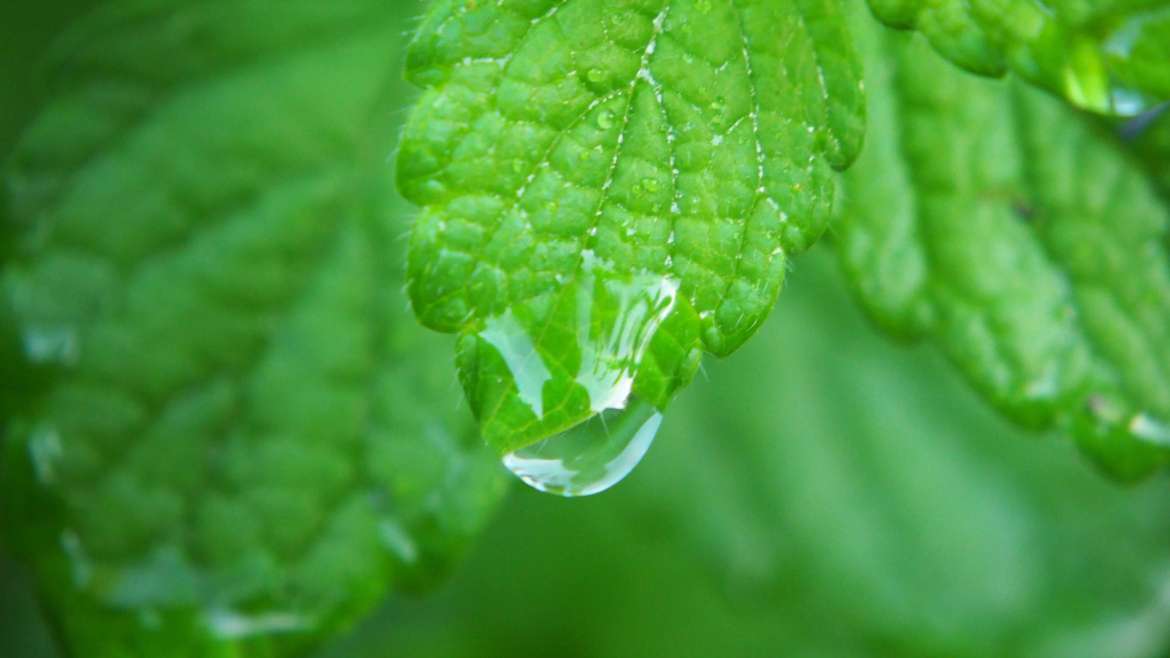
Growing lemon balm offers benefits like attracting pollinators, repelling insects, and providing soothing leaves for herbal teas.
Lemon balm, a fragrant herb from the mint family, is known for its calming and soothing properties. Traditionally used in teas and tinctures, it has been cherished for centuries for its ability to alleviate stress, improve sleep, and support digestive health.
With its fresh lemon scent and mild flavor, lemon balm is not only a delightful addition to culinary dishes but also a popular choice in herbal medicine, offering a natural way to enhance overall well-being.
How to Grow Lemon Balm

Lemon balm (Melissa officinalis) is a fragrant herb that’s easy to grow and offers a variety of uses, from culinary to medicinal. Below is a guide on how to plant, grow, and harvest lemon balm.
Planting Lemon Balm
- Choosing a Location:
- Lemon balm prefers a spot with full sun to partial shade. It grows best in well-drained soil with a pH of 6.7 to 7.3.
- It can be planted in garden beds or containers. If growing in a container, ensure it’s at least 8 inches deep.
- When to Plant:
- Plant lemon balm in the spring after the last frost. If starting from seeds, you can begin indoors 6 to 8 weeks before the last expected frost.
- Starting from Seeds or Transplants:
- Seeds: Sow seeds just below the soil surface. Keep the soil moist until the seeds germinate, usually in 7 to 14 days.
- Transplants: Space plants 18 to 24 inches apart. Water thoroughly after planting.
Growing Lemon Balm
- Watering:
- Lemon balm prefers consistently moist soil. Water regularly, especially during dry periods. However, avoid overwatering, as it can lead to root rot.
- Fertilizing:
- Lemon balm doesn’t need heavy fertilization. A light application of compost or a balanced, all-purpose fertilizer in the spring should suffice.
- Pruning:
- Regular pruning helps maintain the plant’s shape and encourages bushy growth. Cut back the plant after the first bloom to encourage a second flush of leaves.
- Pest Control:
- Lemon balm is generally pest-resistant, but watch out for aphids and spider mites. Treat with insecticidal soap if needed.
Harvesting Lemon Balm
- When to Harvest:
- You can begin harvesting lemon balm leaves once the plant is established, usually about 10 to 12 weeks after planting.
- For the best flavor, harvest leaves in the morning after the dew has dried but before the heat of the day.
- How to Harvest:
- Snip off the leaves or cut the stems with scissors. You can take up to one-third of the plant at a time without harming it.
- To encourage new growth, regularly pinch off the tips of the stems.
- Drying and Storing:
- Lemon balm can be used fresh or dried for later use. To dry, hang small bunches in a warm, dry, and well-ventilated area out of direct sunlight.
- Once dry, store the leaves in an airtight container in a cool, dark place. Dried lemon balm retains its flavor for up to a year.
Uses for Lemon Balm
- Culinary: Add fresh lemon balm to teas, salads, marinades, or desserts for a lemony flavor.
- Medicinal: It is often used in teas for its calming effects and is believed to aid digestion and alleviate stress.
- Aromatherapy: The essential oil from lemon balm is used in aromatherapy for its soothing properties.
Lemon Balm Growing Zone
Lemon balm (Melissa officinalis) is a versatile herb that can be grown in USDA hardiness zones 4 to 9. Here’s a quick overview of what to expect in different zones:
- Zone 4-5: Lemon balm may die back in winter, but it will usually regrow in the spring. Mulching can help protect the roots.
- Zone 6-9: Lemon balm thrives and often remains evergreen in these zones. It may even spread rapidly, so be prepared to manage its growth.
Growing Lemon Balm FAQ
Lemon Balm prefers consistent moisture, so water regularly, especially during dry periods. Ensure the soil is kept moist but not waterlogged.
Yes, Lemon Balm can be grown indoors in pots. Place the pot in a sunny spot, such as a windowsill, and ensure the plant receives at least 6 hours of sunlight daily.
You can start harvesting Lemon Balm once the plant is well-established. Cut the leaves as needed, preferably in the morning when their essential oils are at their peak. Regular harvesting encourages bushier growth.
Lemon Balm is relatively pest-resistant but can occasionally attract aphids or spider mites. Companion planting with other herbs can help deter pests.
Lemon Balm is hardy and can tolerate light frost, but it’s best to mulch around the plants in colder climates to protect them during winter.
Lemon Balm can spread rapidly if not controlled. To prevent it from becoming invasive, regularly trim the plant and remove any unwanted runners. Planting it in containers can also help manage its spread.
Sign up to get our FREE weekly emails
Gardening guides, tips, & videos delivered right to your inbox!