

Ashwagandha is a powerful herb with a rich history in traditional medicine. Commonly known as Indian ginseng or winter cherry, ashwagandha is widely used in Ayurvedic practices for its adaptogenic properties, which help the body adapt to stress and restore balance. The plant itself thrives in warm climates, particularly in arid or semi-arid regions.
If you are growing ashwagandha in your garden or farm, one of the most effective ways to maximize its growth and health is by practicing companion planting. This method involves growing certain plants together that can mutually benefit each other, providing improved soil health, protection from pests, and enhanced overall growth.
Companion planting is an age-old practice that not only helps improve the ecosystem of your garden but also aids in better pest control, increased pollination, and even improved soil fertility. In this post, we will explore why companion planting is beneficial for ashwagandha, the best companion plants to grow alongside it, plants to avoid near ashwagandha, and tips for successfully growing companion plants with this potent herb.
Why You Should Consider Companion Planting for Ashwagandha
Companion planting offers a host of advantages when growing ashwagandha. First, it helps ensure that the plant thrives in an environment that promotes its growth. As ashwagandha is native to regions with specific climate conditions, growing it alongside complementary plants can provide the right balance of nutrients and protection from harmful insects and diseases.
Secondly, companion planting can help protect your ashwagandha from pests and diseases. Many garden pests are attracted to specific plants, and by strategically planting companion plants that repel or deter these pests, you can minimize the damage to your ashwagandha. For example, certain plants can release natural compounds that act as repellents for common garden pests such as aphids, caterpillars, and whiteflies.
Additionally, companion planting can enhance soil fertility. Certain plants, such as legumes, are known for their ability to fix nitrogen in the soil. By planting these nitrogen-fixing plants alongside ashwagandha, you can improve the soil structure and provide your plants with the nutrients they need to grow strong and healthy. Furthermore, companion plants can provide shade, reduce soil erosion, and improve moisture retention, all of which benefit the ashwagandha plant.
Finally, companion planting promotes biodiversity in your garden, creating a balanced ecosystem that can support a variety of beneficial insects, pollinators, and other helpful organisms. This natural harmony reduces the need for chemical pesticides and fertilizers, making it a more sustainable and environmentally friendly approach to gardening.
Best Companion Plants for Ashwagandha
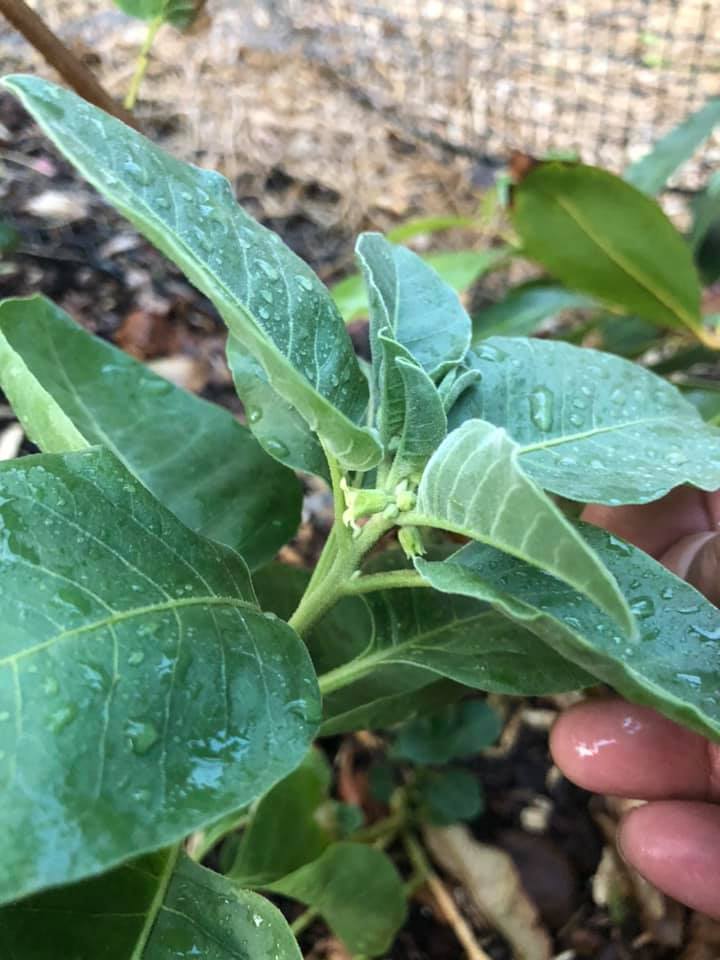
When selecting companion plants for ashwagandha, it is essential to consider factors such as water requirements, soil type, and plant height. Ashwagandha is a sun-loving plant that thrives in well-drained, slightly alkaline soil. It also benefits from moderate watering, so plants that have similar water and light needs will work best. Here are some of the best companion plants to grow alongside ashwagandha:
1. Basil
Basil is an excellent companion plant for ashwagandha due to its ability to repel pests and enhance the flavor and health of surrounding plants. Basil acts as a natural repellent to common garden pests such as aphids, mosquitoes, and flies, which can damage your ashwagandha. Additionally, basil shares similar growing requirements with ashwagandha, making it an ideal companion. The aromatic oils in basil plants can also help improve the overall health of the soil, promoting better root growth for your ashwagandha.
2. Marigold
Marigolds are often planted in vegetable gardens for their pest-repellent properties, and they are equally beneficial when grown alongside ashwagandha. Marigolds release a natural compound called thiophene, which helps deter harmful insects such as nematodes, aphids, and whiteflies. These insects can negatively impact ashwagandha by damaging its roots or leaves. Marigolds also attract beneficial insects like ladybugs, which help control aphid populations. In addition to their pest control benefits, marigolds provide a burst of color to your garden, making them an attractive addition.
3. Garlic
Garlic is another fantastic companion plant for ashwagandha. Garlic releases sulfur compounds that have natural antifungal, antibacterial, and pest-repellent properties. Planting garlic near ashwagandha can help protect it from a variety of pests, including aphids, spider mites, and root rot fungi. Garlic also improves soil health by reducing harmful bacteria and promoting the growth of beneficial microorganisms. As garlic and ashwagandha share similar soil and sunlight requirements, they complement each other perfectly.
4. Legumes
Leguminous plants such as beans and peas are nitrogen fixers, meaning they naturally enrich the soil with nitrogen, an essential nutrient for plant growth. Nitrogen is crucial for healthy leaf and stem development, which can improve the overall growth of ashwagandha. Additionally, legumes have shallow root systems that do not compete with ashwagandha’s deeper roots, making them ideal companions. The combination of nitrogen-rich soil and minimal root competition can promote optimal growth for your ashwagandha.
5. Cucumber
Cucumbers are another great companion for ashwagandha, particularly if you are growing your herbs in a larger garden. They have similar water and light requirements, and their vines can provide some natural shade for your ashwagandha plants, which can help protect them from the intense midday sun. Additionally, cucumbers help conserve soil moisture by covering the ground, which is beneficial for ashwagandha, which prefers slightly moist conditions. Cucumbers also deter pests like aphids, which can damage your ashwagandha.
Plants to Avoid Planting Near Ashwagandha
While companion planting offers numerous benefits, there are also certain plants that should be avoided when growing ashwagandha. These plants may either compete for nutrients, attract harmful pests, or hinder the growth of ashwagandha in other ways. Here are a few plants to avoid planting near ashwagandha:
1. Nightshades (e.g., Tomatoes, Peppers, Potatoes)
Nightshades, such as tomatoes, peppers, and potatoes, are best avoided near ashwagandha. These plants belong to the same botanical family as ashwagandha (Solanaceae), and growing them in close proximity can increase the risk of disease transmission, particularly fungal infections like blight. Additionally, nightshades tend to require more water and nutrients than ashwagandha, potentially leading to competition that could stunt the growth of both plants.
2. Fennel (Foeniculum vulgare)
Fennel is another plant to avoid near ashwagandha. While fennel is a great companion for some herbs and vegetables, it is known to release compounds that can inhibit the growth of other plants. Specifically, fennel can release allelopathic chemicals into the soil that negatively affect the growth of ashwagandha. The presence of fennel can also attract pests like aphids, which may harm your ashwagandha.
3. Mint (Mentha spp.)
Mint is a highly invasive plant that spreads rapidly and can take over your garden if not kept in check. While it may provide benefits for some plants, mint can become a nuisance when planted near ashwagandha. Its spreading nature can compete with ashwagandha for space and nutrients, potentially stunting the growth of both plants. Furthermore, mint’s strong scent may interfere with the growth of ashwagandha, which thrives in a more balanced environment.
Tips for Growing Companion Plants with Ashwagandha

Growing companion plants alongside ashwagandha requires careful planning and consideration to ensure that both the companion plants and ashwagandha thrive together. Here are some tips for successful companion planting with ashwagandha:
- Choose Plants with Similar Watering Needs: Ashwagandha prefers moderate watering and well-drained soil. When selecting companion plants, ensure that they have similar watering needs to avoid overwatering or underwatering either plant.
- Allow Space for Growth: Ashwagandha has a deep root system, so be sure to give it enough space to spread. Companion plants should not interfere with its root development. Be mindful of plant spacing and avoid overcrowding.
- Rotate Companion Plants: To prevent soil depletion and reduce the risk of disease buildup, rotate your companion plants each growing season. This helps maintain soil health and reduces the likelihood of pest infestations.
- Mulch to Conserve Moisture: Using mulch around your ashwagandha and companion plants helps conserve soil moisture and maintain a consistent temperature. This is particularly important in hot climates where water retention is essential for plant health.
- Monitor for Pests Regularly: While companion plants can help repel pests, it’s still important to monitor your ashwagandha and surrounding plants for any signs of pest activity. Early detection allows you to take action before damage occurs.
Conclusion
Companion planting is a powerful tool for promoting the healthy growth of ashwagandha. By carefully selecting compatible plants, you can boost the herb’s resilience, improve soil health, and protect it from pests. Basil, marigolds, garlic, legumes, and cucumbers are some of the best companions for ashwagandha, while nightshades, fennel, and mint should be avoided.
With these tips in mind, you can create a thriving, diverse garden that maximizes the benefits of ashwagandha and its companion plants, all while reducing the need for harmful pesticides and fertilizers.
Sign up to get our FREE weekly emails
Gardening guides, tips, & videos delivered right to your inbox!


