

Growing Ashwagandha offers significant health benefits due to its adaptogenic properties, which help reduce stress, enhance mental clarity, and boost overall vitality.
Ashwagandha. Weird name, but man, this herb packs a punch. If you’ve never tried it, think of it as the chill pill for your brain. Known for its stress-busting properties, it’s the kind of thing that can help you unwind after a long day without needing a prescription. And it doesn’t just stop at stress relief—people swear by its ability to boost energy, focus, and even help with sleep.
This herb’s roots are where the magic happens, and when you get them into your routine, it can be like a breath of fresh air for your mind and body. And don’t get me started on how it’s been used for centuries in Ayurvedic medicine—this is one ancient remedy that still holds up.
Like any good plant, Ashwagandha needs the right conditions to thrive, so treat it like your favorite houseplant: a little bit of care, good soil, and some sunlight. But trust me, it’s worth the effort. If you’re into natural ways to stay grounded and boost your energy, Ashwagandha is definitely worth a shot.
How to Grow Ashwagandha
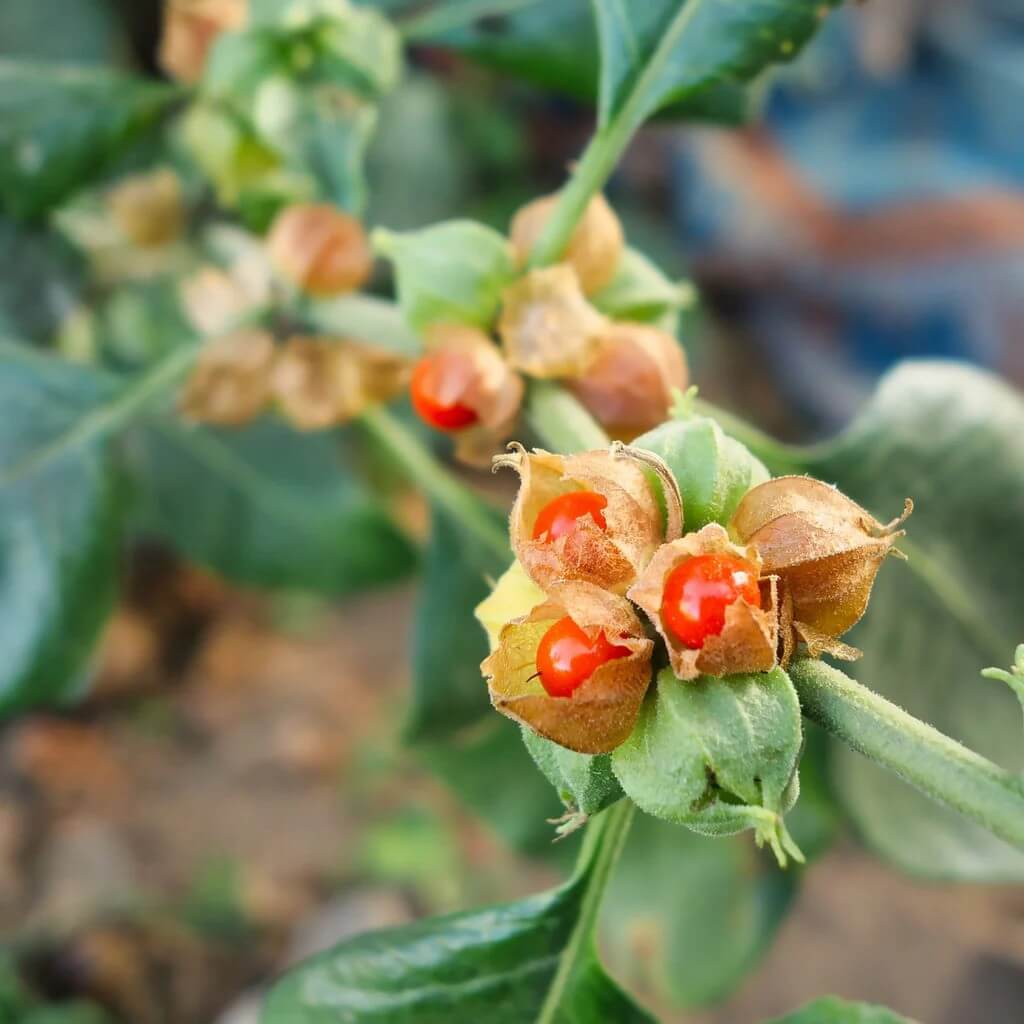
Growing Ashwagandha (Withania somnifera) is super beneficial. It is a medicinal herb traditionally used in Ayurvedic medicine. It’s known for its adaptogenic properties, helping the body manage stress.
Below is a guide on how to plant, grow, and harvest Ashwagandha.
Planting Ashwagandha
- Climate and Soil Requirements: Ashwagandha thrives in warm, dry climates. It prefers full sun and well-drained soil with a pH of 7.5 to 8.0. Sandy and loamy soils are ideal.
- Sowing Seeds:
- Start seeds indoors 6-8 weeks before the last frost or sow directly in the garden after the danger of frost has passed.
- Sow the seeds 1/4 inch deep in the soil.
- Space the seeds about 2-3 feet apart if planting directly in the ground.
- Keep the soil lightly moist until germination, which typically takes 2-3 weeks.
- Transplanting: If starting seeds indoors, transplant seedlings outdoors when they are a few inches tall and after the last frost date.
Growing Ashwagandha
- Watering: Ashwagandha is drought-tolerant, so water sparingly. Once established, water only when the soil is dry, typically once a week. Overwatering can lead to root rot.
- Fertilization: Ashwagandha doesn’t require heavy feeding. If your soil is poor, you can amend it with compost before planting. Otherwise, it usually does well without additional fertilization.
- Mulching: Apply mulch around the plants to retain moisture and suppress weeds.
- Pest and Disease Control: Ashwagandha is relatively pest-resistant. However, keep an eye out for root rot in overly wet conditions.
Harvesting Ashwagandha
- Timing: Ashwagandha roots are typically ready for harvest 150-180 days after planting, usually in late fall or early winter. The plant’s leaves and berries can also be harvested, but the roots are most commonly used for their medicinal properties.
- Harvesting Roots:
- Gently dig around the plant with a spade or hand trowel to avoid damaging the roots.
- Pull up the plant and shake off excess soil.
- Cut off the aerial parts of the plant and save the roots.
- Cleaning and Drying: Wash the roots thoroughly to remove all soil. Cut them into smaller pieces to dry more easily. Dry the roots in a well-ventilated area out of direct sunlight until they are brittle.
- Storing: Store the dried roots in an airtight container in a cool, dark place. Properly dried and stored roots can last up to a year.
Uses
Ashwagandha roots can be powdered and used in teas, capsules, or tinctures. It’s important to consult with a healthcare provider before using Ashwagandha, especially if you are pregnant, breastfeeding, or have any health conditions.
Ashwagandha Growing Zone
Ashwagandha (Withania somnifera) generally thrives in USDA hardiness zones 8 to 13. It prefers a warm, temperate climate with plenty of sunlight and well-drained soil.
If you live in a cooler zone, you might need to grow it in containers that can be moved indoors during colder months or provide additional heat and light.
Growing Ashwagandha FAQ
Start seeds indoors 6-8 weeks before the last frost or directly sow them in the garden after the last frost. Plant seeds about 1/4 inch deep in soil, lightly covering them. Germination typically occurs within 2-3 weeks.
Ashwagandha roots can be harvested after 150-180 days, once the plant’s leaves begin to dry and turn yellow. Carefully dig up the roots, clean them, and dry them in the shade before storing.
Yes, Ashwagandha can be grown in containers. Choose a pot at least 12 inches in diameter with good drainage. Use sandy, well-draining soil, and ensure the container is placed in a sunny location.
Yes, Ashwagandha is relatively easy to grow, even for beginners. It requires minimal care once established and is hardy in the right climate.
Sign up to get our FREE weekly emails
Gardening guides, tips, & videos delivered right to your inbox!


