
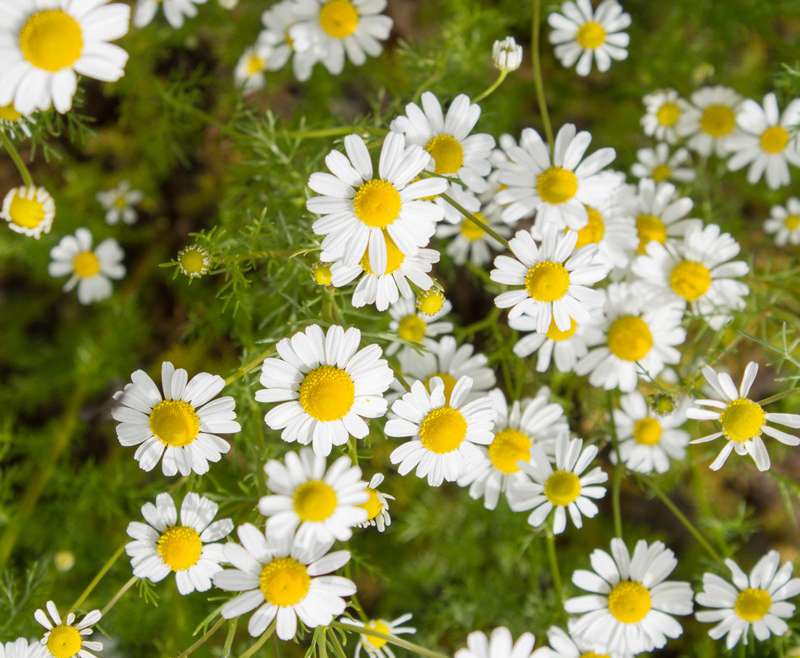
Companion planting is an ancient gardening technique that involves planting different species of plants together for mutual benefit. This practice not only helps plants grow more efficiently but also can boost yields, improve flavor, and reduce pest issues naturally.
One plant that greatly benefits from this practice is chamomile. Known for its soothing properties and delicate flowers, chamomile can thrive when paired with the right companions.
In this guide, we’ll explore why you should consider companion planting for chamomile, the best plants to grow alongside it, and what to avoid.
Why You Should Consider Companion Planting for Chamomile
Chamomile is a hardy herb with a pleasant fragrance and various uses, particularly in teas for relaxation and digestive health.
It’s a low-maintenance plant that grows well in a variety of climates and soils, making it an ideal candidate for many home gardeners. However, even though chamomile is quite resilient, it can still benefit from companion planting.
One of the primary reasons to incorporate companion planting for chamomile is its ability to improve the health of neighboring plants. Chamomile naturally attracts beneficial insects like pollinators and pest-controlling predators.
For example, chamomile’s daisy-like flowers can attract hoverflies, which in turn help control aphids and other harmful pests. It also repels certain insects, such as flea beetles, which can be harmful to nearby plants.
Additionally, chamomile has a beneficial effect on soil health. Its deep roots can help break up compacted soil, which promotes better drainage and aeration for other plants.
The plant also provides shade to the soil, helping retain moisture and preventing weeds from growing around more delicate plants. Thus, when paired with the right companions, chamomile can be a key component of a healthy, biodiverse garden.
Best Companion Plants for Chamomile
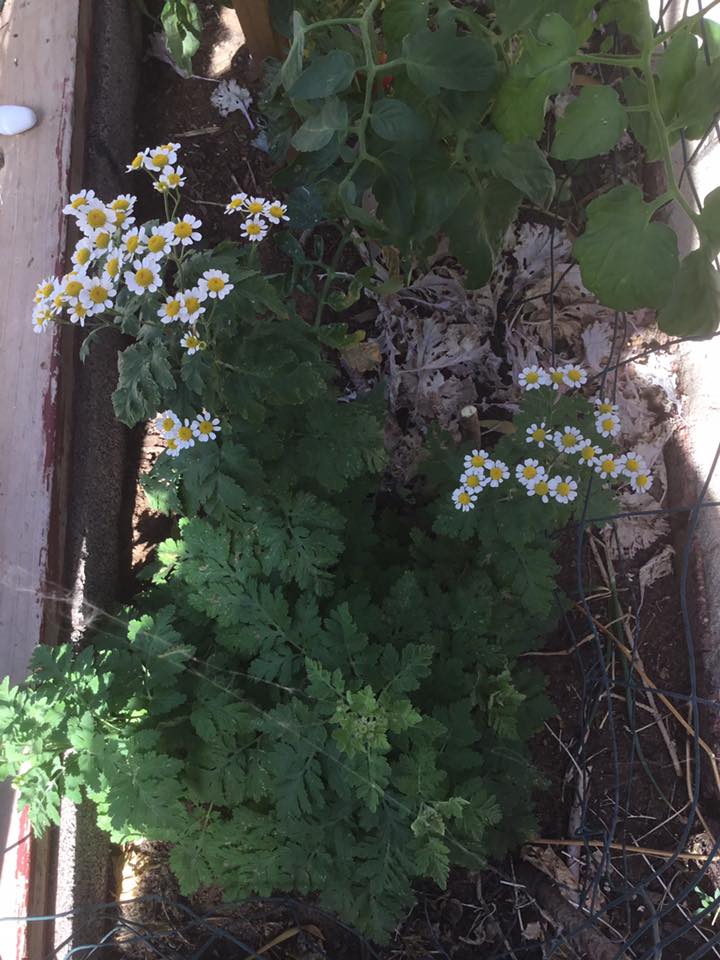
Chamomile is versatile and can be paired with many different types of plants. Here are some of the best companion plants that will thrive alongside chamomile, each bringing its own unique benefit to the garden:
1. Cabbage Family
- Plants like cabbage, broccoli, kale, and cauliflower can benefit from being grown near chamomile. Chamomile helps deter harmful pests such as aphids, which are common pests of brassicas. Furthermore, the chamomile flowers attract beneficial insects that will help with pest control, making it an excellent choice to plant near these vegetables.
2. Basil
- Basil and chamomile make an excellent pair, both in the garden and in the kitchen. Basil is known to enhance the growth of many herbs and vegetables, and it pairs well with chamomile because both plants thrive in similar conditions, such as full sun and well-drained soil. Additionally, basil has a strong aroma that can repel insects, which helps protect chamomile and its neighboring plants.
3. Oregano
- Chamomile and oregano are both aromatic herbs that benefit from each other’s presence. Oregano has pest-repelling properties and helps attract pollinators, while chamomile encourages the growth of oregano by promoting a healthy growing environment. Both plants are relatively low-maintenance, making them ideal companions for gardeners who want to create a self-sustaining garden.
4. Tomatoes
- Chamomile can be a great companion for tomatoes. Tomatoes are susceptible to fungal diseases like blight, but chamomile has natural antifungal properties that can help reduce the risk of these issues. The flowers of chamomile also attract pollinators like bees, which are essential for tomato plants to produce fruit.
5. Garlic
- Chamomile and garlic are another excellent combination. Garlic’s strong scent acts as a natural repellent to pests such as aphids, which can harm chamomile and other plants. At the same time, garlic’s presence benefits chamomile by reducing the likelihood of pests like the whitefly, which can damage many plants in the garden.
6. Cucumbers
- Cucumbers can also benefit from being planted near chamomile. While cucumbers are susceptible to aphids, chamomile helps deter these pests. The beneficial insects attracted to chamomile will also assist in keeping cucumber plants healthy by controlling insect populations. Additionally, cucumbers and chamomile both enjoy similar growing conditions, so they complement each other well in the garden.
7. Lavender
- Lavender is another herb that pairs well with chamomile. Both plants are aromatic, and their flowers attract pollinators, including bees and butterflies. Lavender can also help repel harmful insects like moths, making it a natural pest deterrent for chamomile. The combination of lavender’s fragrance and chamomile’s soothing properties creates a calming atmosphere in the garden, perfect for attracting beneficial wildlife.
Plants to Avoid Planting Near Chamomile
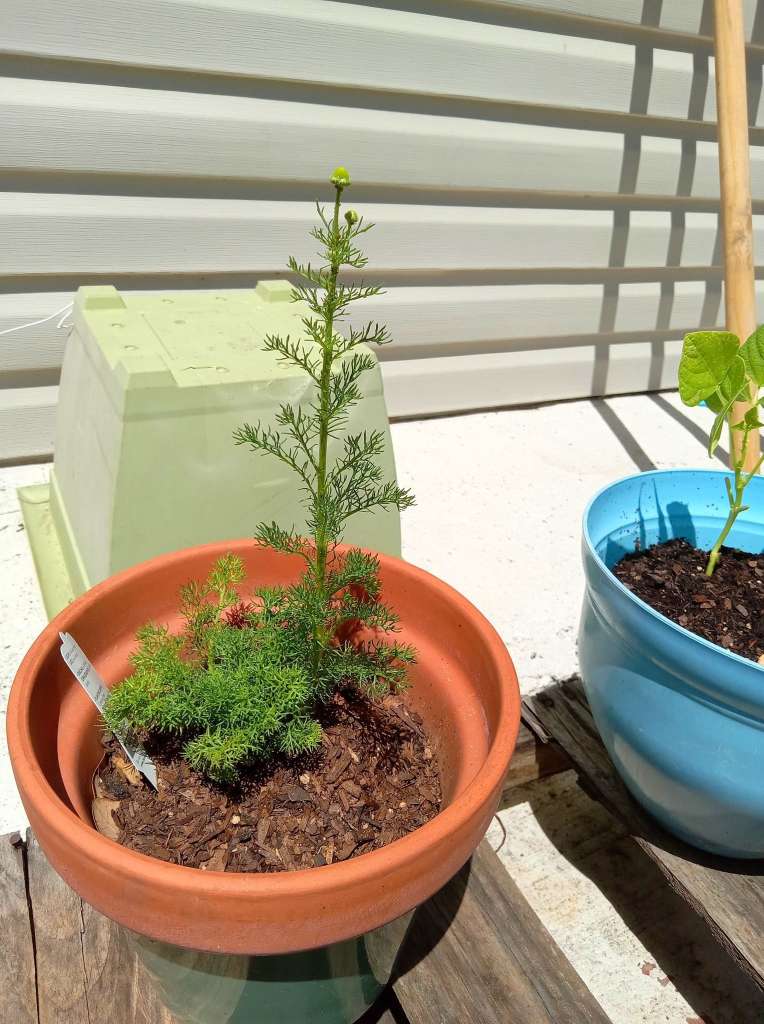
While chamomile pairs well with many plants, there are certain types of plants that do not make ideal companions for chamomile. These plants either compete for resources or release chemicals that can hinder chamomile’s growth. Here are a few plants to avoid planting near chamomile:
1. Mint
- Mint is an invasive plant that spreads rapidly and can easily overtake neighboring plants, including chamomile. Its aggressive growth can crowd chamomile, stealing essential nutrients and water. Mint also prefers slightly wetter conditions, which may differ from the dry, well-drained soil that chamomile thrives in. Instead of planting mint directly next to chamomile, it’s better to grow mint in a container to control its spread.
2. Fennel
- Fennel is another plant to avoid near chamomile. Fennel can release chemicals that inhibit the growth of nearby plants, including chamomile. These chemicals are known as allelopathic compounds, and they can interfere with the development of chamomile and other garden plants. Therefore, it’s best to keep fennel away from chamomile to prevent growth suppression.
3. Carrots
- While carrots and chamomile might seem like a natural pairing, they don’t always work well together. Carrots are sensitive to the chemicals that chamomile may release, which can hinder their growth. It’s better to plant carrots in areas away from chamomile to avoid growth competition and to ensure both plants thrive.
4. Coriander (Cilantro)
- Coriander, also known as cilantro, does not make a great companion for chamomile. Both plants require slightly different growing conditions, and coriander can be particularly sensitive to temperature fluctuations, which could be aggravated by chamomile’s presence. Moreover, coriander tends to attract pests that chamomile is trying to repel, such as aphids, which may affect both plants negatively.
Tips for Growing Companion Plants with Chamomile

When growing chamomile and its companions, there are a few best practices to keep in mind to ensure both plants thrive together. Here are some tips for successful companion planting with chamomile:
1. Consider Growing Conditions
- Chamomile thrives in full sun and well-drained soil, so it’s important to choose companion plants that have similar needs. Most herbs and vegetables in the categories above, such as basil, oregano, and lavender, also prefer full sun and moderate watering. Planting companions that share the same growing conditions ensures that both chamomile and its neighbors can grow successfully without competing for resources.
2. Maintain Proper Spacing
- While companion planting helps maximize space, it’s still important to leave enough room between plants for air circulation. This prevents overcrowding, which can lead to disease and poor growth. Chamomile is a small plant that won’t overshadow its companions, but be mindful of the spread of other plants like basil or oregano, which may require more space.
3. Rotate Crops Annually
- Crop rotation is a crucial practice in companion planting. Every year, try rotating your companion plants to prevent soil depletion and to reduce the buildup of pests and diseases. If you planted chamomile with tomatoes one year, consider pairing chamomile with cucumbers the next year to create a more balanced ecosystem in your garden.
4. Use Mulch and Organic Matter
- Mulching around chamomile and its companions can help retain moisture, suppress weeds, and keep the soil temperature stable. Chamomile, being a drought-tolerant plant, doesn’t require excessive watering, so mulch will help maintain consistent moisture levels and prevent stress on the plant. Organic matter, such as compost, can also be beneficial for maintaining soil fertility and encouraging healthy root growth.
5. Monitor Pest Activity
- Keep an eye on pest activity, even when companion planting. While chamomile attracts beneficial insects, it can still attract some pests. Regularly inspect the plants for signs of pest infestations, such as aphids or spider mites, and take action as needed. A natural pest control method, such as introducing ladybugs, can help keep these issues under control.
Conclusion
Companion planting is an excellent way to improve the health and productivity of your garden, and chamomile is one of the best plants to experiment with. By pairing chamomile with complementary plants like basil, oregano, and tomatoes, you can create a diverse and thriving garden ecosystem.
Be sure to avoid plants like mint, fennel, and coriander, which can hinder chamomile’s growth. With a little planning and care, you’ll find that chamomile not only thrives in your garden but also helps support the growth of your other plants, creating a healthy, vibrant garden space.
Sign up to get our FREE weekly emails
Gardening guides, tips, & videos delivered right to your inbox!


