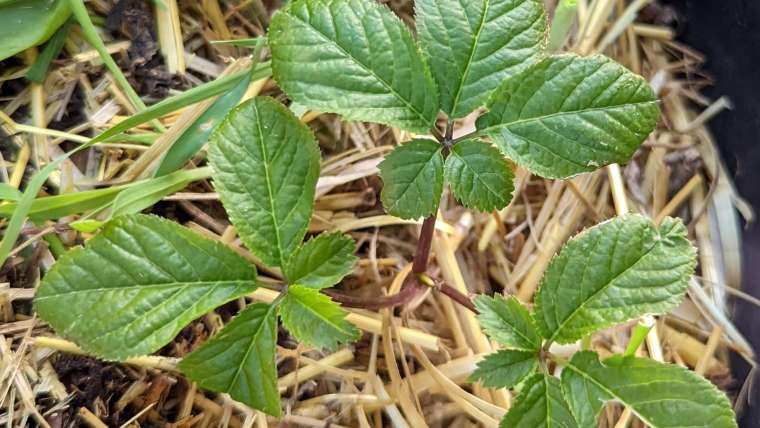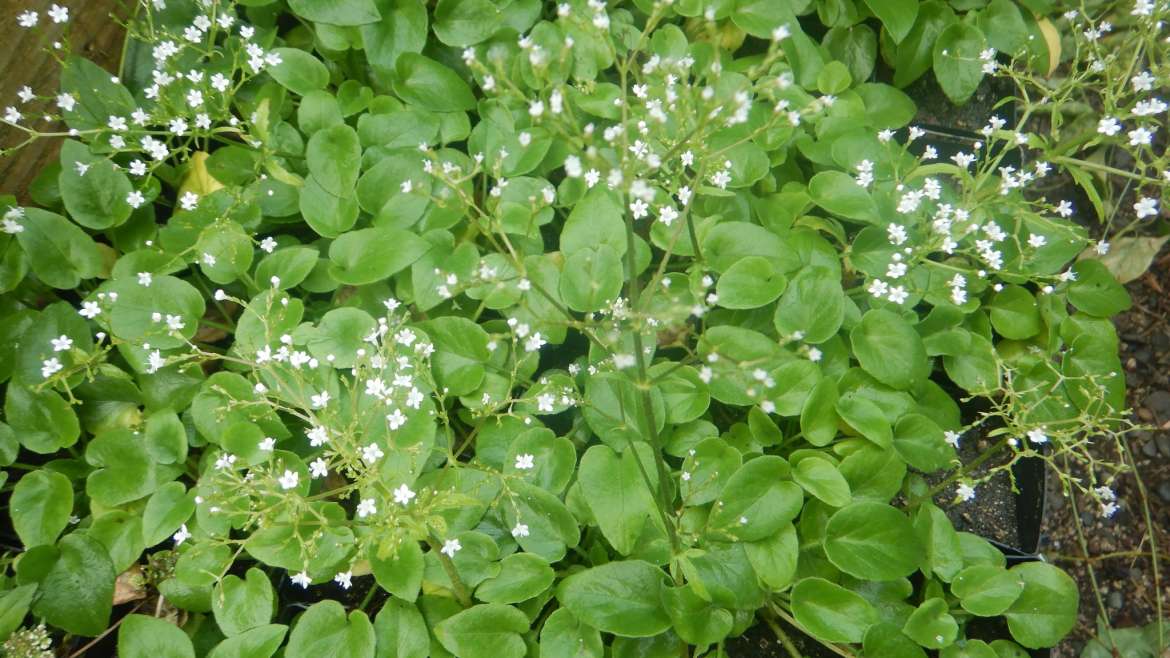
Gardening is an art that requires understanding the intricate relationships between plants. One technique that has gained popularity among gardeners is companion planting, which involves planting certain species together to promote mutual benefits, such as improved growth, enhanced flavor, and protection against pests.
Valerian, known for its medicinal properties and fragrant flowers, is one such plant that can benefit greatly from this method. Companion planting for valerian not only improves its growth but also supports a healthier, more diverse garden ecosystem.
In this post, we’ll dive into the concept of companion planting for valerian, explore the best companion plants to pair it with, highlight plants to avoid planting near valerian, and share tips for successful companion planting.
Why You Should Consider Companion Planting for Valerian
Valerian is a hardy perennial often grown for its medicinal properties, especially its ability to promote relaxation and improve sleep. It is also valued for its attractive, aromatic flowers that attract beneficial pollinators like bees and butterflies. Companion planting is essential for growing valerian in the best possible conditions, and the benefits extend beyond simply improving its appearance.
First, companion planting helps create a balanced ecosystem where different plants support one another in various ways. For valerian, certain plants can help provide shade, improve soil health, and prevent pest infestations, which would otherwise hinder its growth. The practice also enhances soil fertility by promoting nitrogen fixation or attracting helpful insects that naturally control pests. For gardeners aiming to cultivate a productive and low-maintenance garden, knowing which plants to pair with valerian can result in healthier plants and higher yields.
Additionally, valerian is often used for its relaxing properties, making it a perfect plant for creating a soothing garden environment. Pairing it with other complementary plants can further enhance this calming atmosphere, promoting not only physical health but also mental well-being. Furthermore, growing valerian alongside companion plants that deter pests can help reduce the need for chemical pesticides, promoting a more organic gardening approach.
Best Companion Plants for Valerian

When choosing companions for valerian, it is essential to consider factors such as growth habits, light requirements, and pest resistance. Here are a few of the best companion plants for valerian that will support its growth and improve the overall health of your garden:
1. Comfrey
Comfrey is a fantastic companion plant for valerian, as it shares similar growing conditions and benefits the garden in multiple ways. Comfrey has deep roots that draw nutrients from the soil and break them down into more accessible forms. When its leaves are used as mulch or compost, they provide valuable nutrients to the soil, improving its fertility and structure. Comfrey’s lush, broad leaves also help to keep the soil cool and moist, creating a favorable environment for valerian. Additionally, comfrey’s flowers attract beneficial pollinators, which can help support both valerian’s growth and other plants in the garden.
2. Yarrow
Yarrow is an excellent companion for valerian due to its ability to attract beneficial insects such as ladybugs, hoverflies, and lacewings. These insects are natural predators of common garden pests like aphids, thus providing valuable pest control. Yarrow also thrives in similar growing conditions to valerian, preferring well-drained soil and full sun. The aromatic nature of yarrow also complements valerian’s fragrance, contributing to a pleasant, sensory-rich garden environment. Additionally, yarrow is known to boost soil health by increasing soil drainage and promoting nitrogen fixation.
3. Garlic
Garlic is another great companion for valerian, as its strong smell deters a variety of pests, including aphids and flea beetles. By repelling these harmful insects, garlic helps reduce the likelihood of pest infestations in the garden. Garlic also has antifungal properties, which can be beneficial for keeping soil diseases at bay. Moreover, garlic and valerian share similar soil preferences, thriving in slightly alkaline, well-drained soil. Planting garlic near valerian can protect both plants from pests and diseases while enhancing their overall health.
4. Clover
Clover is an excellent ground cover plant that is known for its ability to fix nitrogen in the soil. This is particularly beneficial for valerian, as it improves soil fertility and provides essential nutrients that promote healthy growth. Clover is also a great option for preventing soil erosion and suppressing weeds, making it an ideal companion for valerian. Its low-growing nature won’t overshadow valerian, allowing both plants to thrive without competing for space or light.
5. Chamomile
Chamomile is a well-known companion plant for a variety of herbs and flowers, and valerian is no exception. Chamomile shares similar soil and water requirements with valerian, making it easy to grow alongside it. Both plants also have calming, therapeutic properties, which can make for a soothing garden environment. Chamomile’s small, daisy-like flowers also attract pollinators, which are essential for improving the health and vigor of valerian. Furthermore, chamomile has antifungal properties, which can help protect valerian from soil-borne diseases.
Plants to Avoid Planting Near Valerian
While companion planting can provide numerous benefits, it’s equally important to know which plants should be avoided near valerian. Some plants can compete with valerian for nutrients, space, or light, or they may harbor pests or diseases that can affect valerian’s growth. Here are a few plants to avoid planting near valerian:
1. Tomatoes
Tomatoes are not the best companions for valerian, as they have different growing requirements. Tomatoes prefer full sun, while valerian thrives in partial shade. Additionally, tomatoes are prone to a variety of pests, such as aphids and whiteflies, which can be harmful to valerian. The close proximity of these two plants could lead to competition for nutrients, resulting in weaker growth for both.
2. Peppers
Similar to tomatoes, peppers have different light and water requirements than valerian. They tend to need full sun and well-drained soil, while valerian prefers slightly moist, less sunny conditions. The competition for resources can hinder both plants’ growth. Moreover, peppers are susceptible to aphids, which can easily spread to valerian and cause pest issues.
3. Carrots
While carrots are not as likely to compete with valerian for sunlight, they do require well-drained soil with good airflow, which can be disrupted when planted too closely to valerian. Carrots also attract aphids and other pests that can impact valerian’s health. Additionally, the roots of carrots might inhibit the growth of valerian if planted too close together, as they might outcompete it for nutrients.
4. Onions
Onions can be detrimental to valerian if planted too close, as their strong odor can interfere with valerian’s growth and development. Both onions and valerian are susceptible to similar pests, including root maggots, so keeping them separated is advisable. Onions can also alter the soil’s pH level, which may affect valerian’s ability to thrive.
Tips for Growing Companion Plants with Valerian

To maximize the benefits of companion planting for valerian, here are a few helpful tips:
1. Plan for Proper Spacing
When planting companion plants near valerian, be sure to provide enough space for each plant to grow. Valerian can reach up to 3 feet in height, and its roots need room to spread. Avoid overcrowding your garden by spacing your plants at the appropriate distances.
2. Use Mulch and Compost
Using mulch around valerian and its companion plants helps retain moisture, suppress weeds, and improve soil health. Adding compost regularly will also replenish the nutrients in the soil, creating a richer environment for both valerian and its companions.
3. Monitor Watering Needs
Although valerian prefers moist soil, it doesn’t tolerate waterlogged conditions. Be sure to water your plants properly, allowing the soil to dry out slightly between waterings. This ensures that both valerian and its companions receive the right amount of moisture without becoming waterlogged.
4. Rotate Crops Annually
Crop rotation helps reduce the buildup of pests and diseases in the soil. By rotating your companion plants each year, you can ensure that the soil remains healthy and free from pests that may harm valerian.
Conclusion
Companion planting for valerian is a great way to enhance the growth and health of this beneficial plant while creating a balanced, thriving garden ecosystem. By pairing valerian with the right companions, such as comfrey, yarrow, and garlic, gardeners can improve soil fertility, boost pest control, and promote pollination.
On the other hand, it’s crucial to avoid planting valerian near crops like tomatoes, peppers, and onions, which can compete for nutrients and attract pests. By following the tips outlined above, you can create a flourishing garden that nurtures both valerian and its companion plants, resulting in a harmonious, productive growing environment. Happy gardening!
Sign up to get our FREE weekly emails
Gardening guides, tips, & videos delivered right to your inbox!