
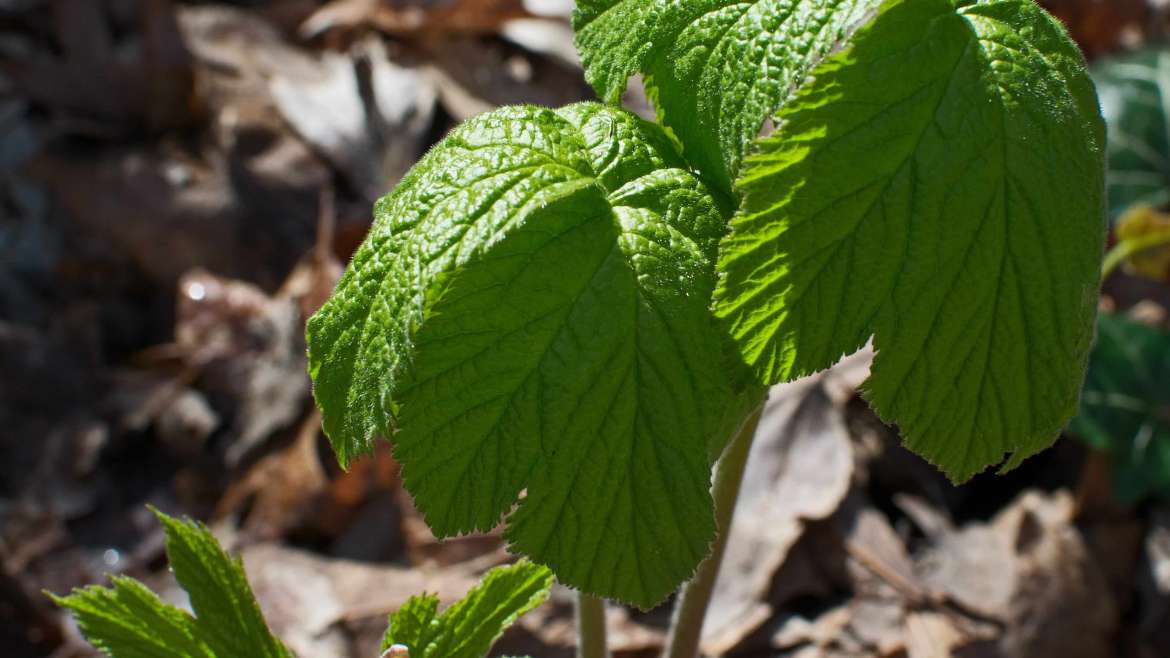
Goldenseal. Odd name, but seriously, this little herb packs a punch. If you’ve never come across it, think of a plant that looks like it belongs in an enchanted forest, yet holds some serious healing power. With its vibrant yellow roots, goldenseal’s not just a pretty face—it’s been used in traditional medicine for centuries. You can make tea, tinctures, or even salves out of it, and it’s known for its natural antimicrobial properties.
It’s a perennial, meaning it’ll stick around and grow back year after year if you treat it right. But before you start dreaming of a goldenseal garden, here’s the thing: it’s picky. It loves cool, shady spots with rich, moist soil, so don’t expect it to thrive in the middle of your sunny yard. It’s one of those plants that needs a little patience—expect to wait a couple of years before the roots are ready to be harvested.
And the plant itself? It’s got that classic woodland charm—heart-shaped leaves, a delicate flower, and a vibe that makes you want to whisper your thanks for its medicinal magic. Goldenseal is no low-maintenance diva, but when treated right, it’s well worth the effort.
How to Grow Goldenseal
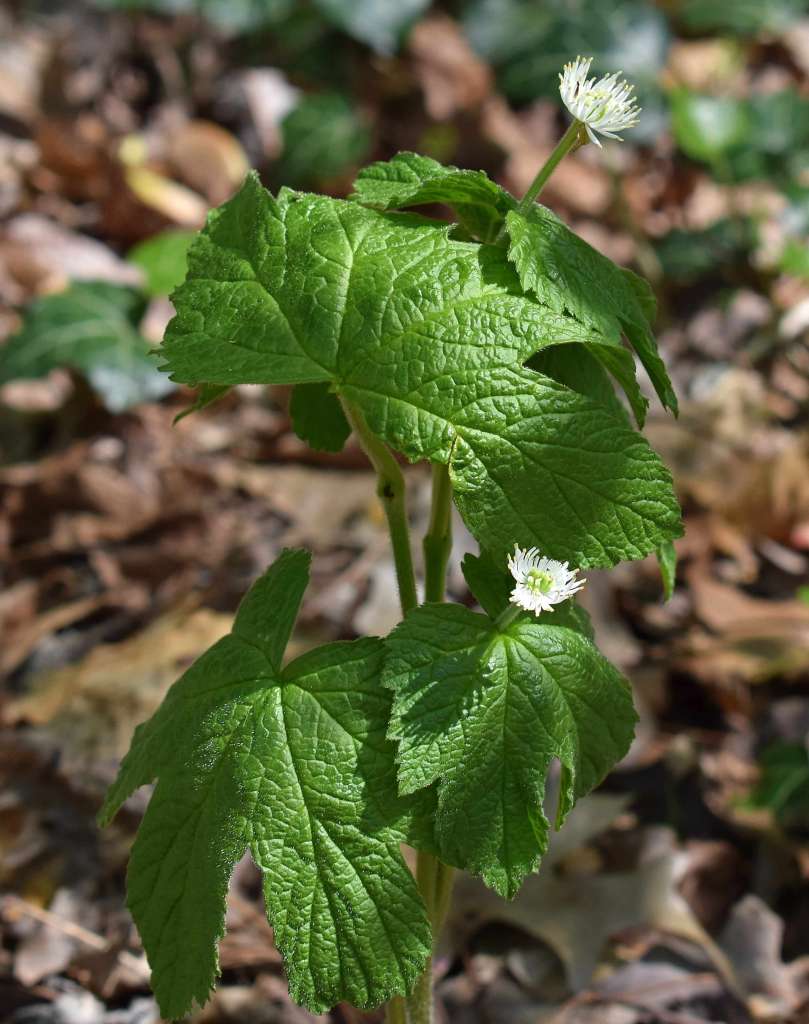
Growing Goldenseal is super exciting. It’s a perennial herb native to North America, often grown for its medicinal properties.
Below is a step-by-step guide to planting, growing, and harvesting goldenseal.
Planting Goldenseal
- Site Selection:
- Light: Goldenseal thrives in partial to full shade, mimicking its natural woodland habitat.
- Soil: Choose well-draining, rich, loamy soil with a pH between 5.5 and 6.5. Adding organic matter like compost or leaf mold can enhance soil quality.
- Planting Time:
- Plant goldenseal in early spring or fall when the soil is workable.
- Propagation:
- Rhizomes: The most common method. Cut rhizomes into pieces, each with at least one bud.
- Seeds: Less common and more challenging. Seeds need to be stratified (exposed to cold) for several months before planting.
- Planting Process:
- For rhizomes, dig holes about 2 inches deep and place the rhizomes horizontally, covering them with soil.
- For seeds, sow them on the soil surface and cover lightly with a thin layer of soil or mulch.
- Spacing:
- Space plants about 12–18 inches apart to allow room for growth.
- Mulching:
- Apply a layer of leaf mulch or straw to help retain moisture and suppress weeds.
Growing Goldenseal
- Watering:
- Keep the soil consistently moist but not waterlogged. Goldenseal prefers damp conditions but can suffer from root rot if overwatered.
- Fertilization:
- Fertilize in early spring with a balanced, slow-release fertilizer or organic compost.
- Weed Control:
- Keep the area around the plants weed-free to reduce competition for nutrients.
- Pest and Disease Management:
- Goldenseal is relatively pest-resistant, but watch out for slugs and snails. Use organic methods like beer traps or copper barriers to control them.
- Pruning:
- Remove dead or yellowing leaves to promote healthy growth.
Harvesting Goldenseal
- Timing:
- Goldenseal is typically harvested in the fall after 3–5 years of growth when the plants are mature.
- Harvesting Process:
- Carefully dig up the rhizomes using a garden fork or spade.
- Shake off the excess soil and cut the rhizomes into smaller sections.
- Processing:
- Wash the rhizomes thoroughly and dry them in a well-ventilated, shaded area.
- Drying can take several weeks, depending on the conditions. Once fully dried, store the rhizomes in a cool, dark, and dry place.
Tips for Success
- Consider growing goldenseal in a woodland garden or shaded area of your yard.
- Goldenseal is a slow-growing plant, so patience is key.
- If growing for medicinal use, consult guidelines to ensure proper identification and processing of the plant.
Goldenseal Growing Zone
Goldenseal (Hydrastis canadensis) is a perennial herb native to North America. It typically grows best in USDA hardiness zones 4 to 8.
These zones encompass areas where the climate provides the cool, moist, and shaded conditions that goldenseal prefers.
If you’re planning to grow goldenseal, it’s important to simulate its natural habitat as much as possible, which often involves planting it in a woodland or shaded garden area with rich, well-draining soil.
Growing Goldenseal FAQ
Goldenseal (Hydrastis canadensis) is a perennial herb native to North America, known for its medicinal properties. It is commonly used in herbal medicine for its antimicrobial and anti-inflammatory properties. Goldenseal is often grown for its roots, which are harvested and processed for use in various natural remedies.
Goldenseal thrives in shady, woodland environments that mimic its natural habitat. It prefers rich, well-drained soil with a pH between 5.5 and 6.5. A location with dappled sunlight or partial shade is ideal, such as under deciduous trees where it receives filtered light.
Goldenseal can be propagated by seeds or rhizome division. Seeds should be planted in the fall, as they require cold stratification to germinate. Rhizome division is the more common method, where sections of the rhizome with at least one bud are planted in the spring or fall.
Goldenseal typically takes 3 to 5 years to reach maturity when grown from rhizomes. When grown from seed, it may take up to 6 years or more. Patience is essential, as the plants need time to establish and develop a robust root system.
Goldenseal is usually harvested in the fall, after the leaves have died back. The entire root system, including the rhizomes, is dug up carefully to avoid damage. After harvesting, the roots are cleaned, dried, and stored in a cool, dark place.
Goldenseal can be grown indoors if provided with the right conditions, including ample shade, humidity, and well-drained soil. However, it is more commonly grown outdoors in a garden or woodland setting where it can thrive in its natural environment.
Sign up to get our FREE weekly emails
Gardening guides, tips, & videos delivered right to your inbox!


