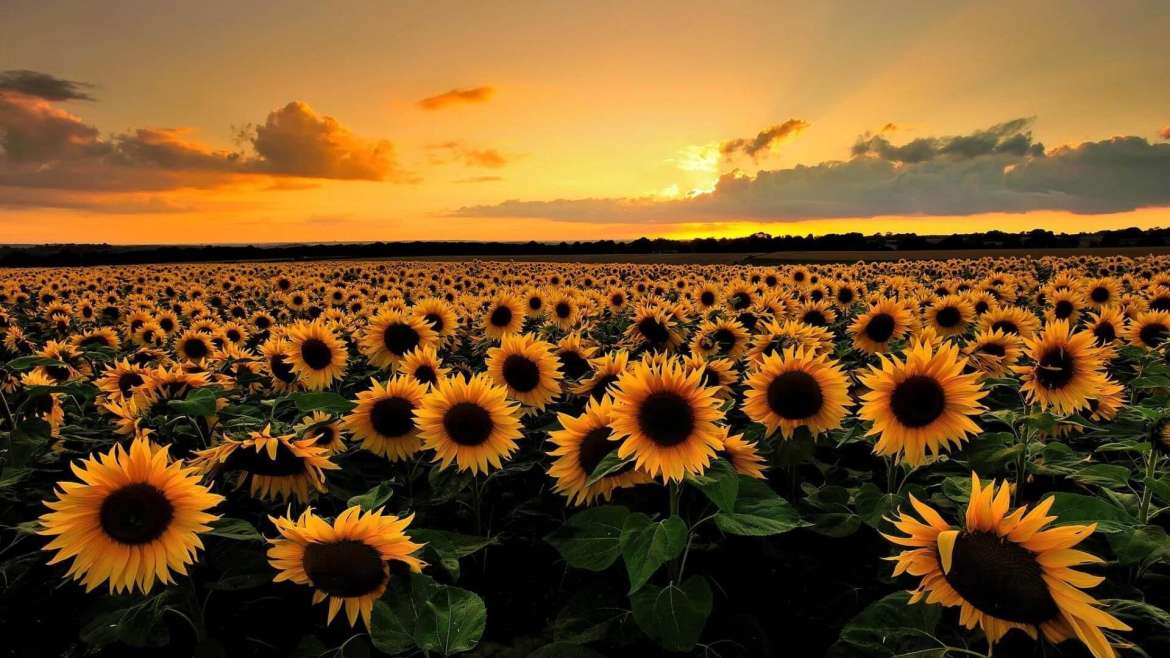
Sunflowers. They’re like the life of the garden party. Big, bold, and impossible to ignore. If you’ve never planted one, imagine a flower that stands so tall it makes you feel like you’ve just met a celebrity. The petals are bright enough to make you squint, and the seeds—oh, the seeds—perfect for snacking or adding to just about anything. They’re not just pretty faces, though. Sunflowers are the ultimate survivors. They love the sun (obviously) and thrive in just about any soil.
They bloom in the summer, and if you plant them right, you’ll have a solid show of color that’ll make all your neighbors jealous. And the best part? You can grow them in just about any space. Whether you’re in a sprawling backyard or a cozy urban balcony, there’s always room for a sunflower or two. But be warned, they’ll need some space to stretch out and show off.
Sunflowers can be a little needy at first—watering and maybe a little extra love during their first few weeks—but once they’re settled in, they’re pretty low-maintenance. Just stand back, and watch them grow taller than you ever expected. And if you’re lucky, they might even give you a few of those glorious seeds to snack on when it’s all said and done.
How to Grow Sunflowers

Growing sunflowers is a rewarding and relatively easy gardening experience that can add vibrant color and height to your garden.
Sunflowers (Helianthus annuus) are known for their large, cheerful blooms that track the sun throughout the day.
Choosing the Right Variety
- Types: Sunflowers come in many varieties, ranging from dwarf types (1-2 feet tall) to giant varieties that can reach over 12 feet.
- Climate: Most sunflowers prefer full sun and can thrive in a range of climates, but they do best in warmer regions.
Planting Sunflowers
- Location: Choose a sunny spot in your garden. Sunflowers need at least 6-8 hours of direct sunlight each day.
- Soil: They prefer well-drained, slightly acidic to neutral soil (pH 6.0-7.5). Loamy soil enriched with compost or organic matter works best.
- Sowing Seeds:
- Directly sow seeds outdoors after the last frost date, when the soil has warmed to at least 50°F (10°C).
- Plant seeds 1-1.5 inches deep and 6 inches apart. If planting in rows, space rows about 30 inches apart.
- Thin seedlings to 12-18 inches apart once they are 3-4 inches tall to avoid overcrowding.
Growing Sunflowers
- Watering:
- Water newly planted seeds regularly until they sprout.
- Once established, sunflowers are drought-tolerant, but they will grow best with about 1 inch of water per week.
- Fertilizing:
- Sunflowers are not heavy feeders, but a light application of a balanced fertilizer can be beneficial, especially if your soil is poor.
- Over-fertilizing can lead to weaker stems, so use fertilizer sparingly.
Caring for Sunflowers
- Support: Tall varieties may require staking to prevent them from toppling over, especially in windy areas.
- Weeding: Keep the area around your sunflowers weed-free to reduce competition for nutrients and water.
- Pests and Diseases:
- Sunflowers are generally hardy, but watch out for pests like aphids, beetles, and caterpillars.
- Diseases like downy mildew, rust, and powdery mildew can occur, especially in humid conditions. Ensure good air circulation and avoid overhead watering to reduce the risk.
Harvesting Sunflowers
- For Seeds:
- Allow the flower heads to dry on the plant. The back of the head will turn yellow or brown when the seeds are ready to harvest.
- Cut the flower head off and hang it in a warm, dry place to finish drying. Once fully dry, rub the seeds out by hand.
- For Flowers:
- Cut sunflowers in the morning when they are fully open but not over-mature.
- Place the stems in water immediately to prolong the life of the cut flowers.
Winter Care
- Annual Varieties: Sunflowers are typically annuals, meaning they will die off after one growing season. Collect seeds if you wish to plant them next year.
- Perennial Varieties: If growing a perennial variety, cut the plants back after flowering and mulch the roots to protect them over winter.
Sunflowers Growing Zone
Sunflowers are quite versatile and can grow in a wide range of growing zones, typically between USDA zones 2 and 11.
They thrive best in zones 4 to 9, where they get full sun and warm temperatures. Sunflowers prefer long, hot summers, and they can tolerate a variety of soil types as long as the soil is well-drained.
Growing Sunflowers FAQ
Sunflowers are best planted in the spring, after the last frost has passed and the soil temperature is at least 50°F (10°C). This is typically in late April to early June, depending on your location.
Plant sunflower seeds about 1-2 inches (2.5-5 cm) deep in the soil. Space the seeds about 6 inches (15 cm) apart for smaller varieties and up to 2 feet (60 cm) apart for larger types.
Sunflowers require full sun, which means they need at least 6-8 hours of direct sunlight each day. They thrive in bright, sunny spots.
The height of sunflowers varies depending on the variety. Dwarf varieties may only reach 1-3 feet (30-90 cm), while giant sunflowers can grow over 10 feet (3 meters) tall.
Sunflowers typically bloom 70 to 100 days after planting, depending on the variety and growing conditions.
Yes, sunflowers can be grown in pots. Choose a large container with good drainage and use a high-quality potting mix. Dwarf varieties are better suited for container gardening.
On average, a sunflower plant can yield between 1,000 to 2,000 seeds. Some larger varieties, especially those grown under optimal conditions, can produce even more, potentially up to 4,000 seeds per plant.
Start by choosing dwarf sunflower varieties. Plant the seeds in a well-draining pot with rich, loamy soil, and place the pot in a sunny location. Water the sunflowers regularly, keeping the soil moist but not waterlogged. As the plants grow, consider staking them for support, especially if they become top-heavy.
Sign up to get our FREE weekly emails
Gardening guides, tips, & videos delivered right to your inbox!