Organic mulching is a key practice for any gardener looking to boost the health and productivity of their garden.
Mulching not only helps retain soil moisture and suppress weeds but also enriches the soil as it decomposes, providing vital nutrients to your plants.
In this article, we’ll explore the best organic mulching techniques to enhance your garden’s health, ensuring your plants thrive throughout the growing season.

1. Understanding Mulching
Before diving into the techniques, it’s important to understand what mulching is and why it’s beneficial. Mulch is a layer of material applied to the surface of the soil.
Organic mulches, made from natural materials like leaves, straw, grass clippings, and compost, decompose over time, improving soil structure, fertility, and microbial activity. This natural process is key to building healthy, vibrant garden soil.
2. Top Organic Mulching Materials
There are various organic materials you can use for mulching, each with its unique benefits:
- Straw: Straw is lightweight and easy to spread. It helps retain moisture, prevents soil erosion, and adds organic matter as it breaks down.
- Grass Clippings: Fresh grass clippings are rich in nitrogen, making them an excellent mulch for vegetable gardens. However, they should be applied in thin layers to prevent matting and rotting.
- Leaf Mulch: Shredded leaves are an excellent, free resource that enriches the soil with nutrients as they decompose. They also help to moderate soil temperature and suppress weeds.
- Compost: Well-aged compost is a nutrient-rich mulch that improves soil fertility while helping to retain moisture and reduce weed growth.
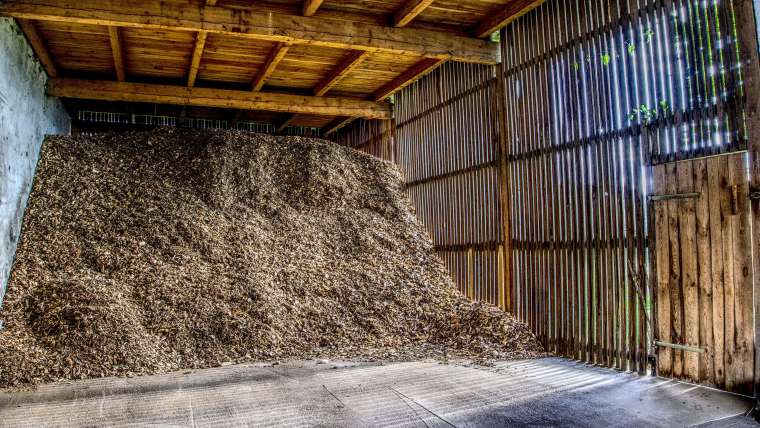
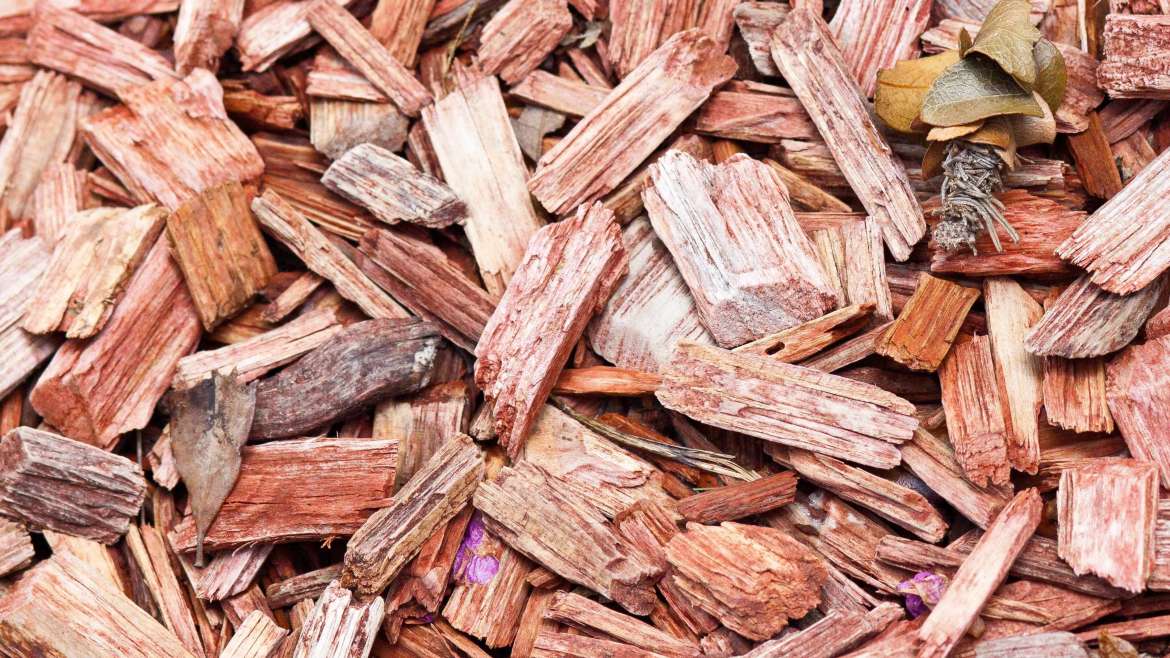
- Wood Chips or Bark: These are longer-lasting mulches that slowly decompose, gradually adding organic matter to the soil. They are ideal for perennial beds and around trees and shrubs.
3. How to Apply Organic Mulch
Applying mulch correctly is crucial to reaping its benefits. Here’s a step-by-step guide:
- Prepare the Soil: Before applying mulch, ensure your garden bed is free of weeds and the soil is moist. You can also lightly cultivate the soil to improve aeration.
- Spread the Mulch: Apply a 2-4 inch layer of mulch around your plants, making sure to leave a small gap around the stems or trunks to prevent rot. For finer materials like grass clippings or compost, stick to a thinner layer (1-2 inches) to avoid compacting the soil.
- Reapply as Needed: Organic mulch decomposes over time, so it’s important to check your garden beds regularly and add more mulch as needed to maintain the desired thickness.
4. Specific Mulching Techniques
Here are some specialized mulching techniques to address different gardening needs:
- Sheet Mulching: This technique involves placing layers of cardboard or newspaper under your mulch. It’s highly effective for weed suppression and is often used in starting new garden beds.
- Living Mulch: Planting low-growing cover crops like clover or alfalfa can serve as a living mulch, providing soil cover, improving soil structure, and adding nutrients.
- Winter Mulching: For cold climates, applying a thick layer of straw or leaves before winter can protect perennial plants from freeze-thaw cycles and retain soil moisture.
- Seasonal Mulching: Adjust your mulching technique based on the season. In the spring, lighter mulches like compost can help warm the soil, while in the summer, thicker mulches like straw or wood chips help keep the soil cool and moist.
5. Common Mulching Mistakes to Avoid
Even though it is a straightforward process, there are some common mulching mistakes to avoid:
- Over-Mulching: Too much mulch can suffocate plant roots, encourage rot, and create a habitat for pests. Stick to the recommended thickness and avoid piling mulch directly against plant stems.
- Using Fresh Manure: While manure is a great fertilizer, using it as mulch before it’s fully composted can burn plants due to its high nitrogen content.
- Ignoring Mulch Decomposition: Organic mulch breaks down over time, so it’s important to replenish it to maintain its benefits. Failing to do so can lead to nutrient deficiencies in your soil.
6. The Benefits of Organic Mulching
Organic mulching is more than just a protective layer for your soil; it’s a vital practice that promotes sustainable gardening. By using organic mulches, you:
- Enhance Soil Health: As organic mulch decomposes, it adds essential nutrients to the soil, improving its fertility and structure.
- Conserve Water: Mulch reduces evaporation, helping to retain soil moisture and reducing the need for frequent watering.
- Suppress Weeds: A thick layer of mulch blocks sunlight, preventing weed seeds from germinating and reducing the need for manual weeding.
- Protect Plants: Mulch helps regulate soil temperature, keeping roots cooler in the summer and warmer in the winter.
Conclusion
Organic mulching is a powerful technique to boost your garden’s health. By selecting the right materials and applying them correctly, you can create a thriving, low-maintenance garden that’s both beautiful and productive.
Whether you’re a seasoned gardener or a beginner, incorporating organic mulch into your gardening routine will pay off with healthier plants, improved soil, and a more resilient garden ecosystem.
Happy gardening!
Sign up to get our FREE weekly emails
Gardening guides, tips, & videos delivered right to your inbox!