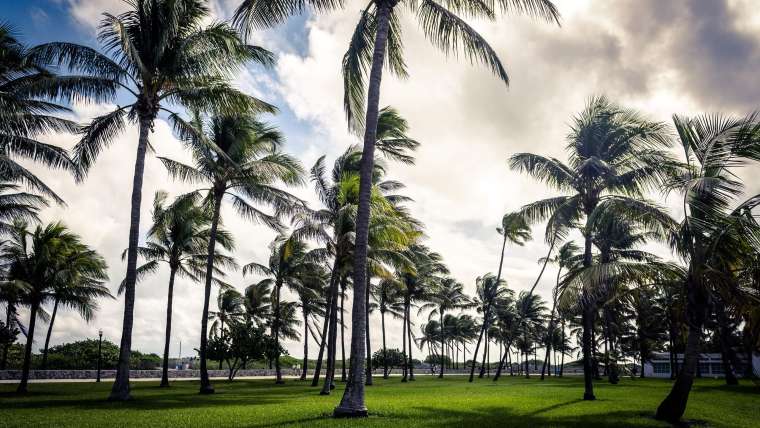
The USDA hardiness Zone 9 has mildly low temperatures that rarely fall below freezing. The average minimum temperatures for winter in this zone range from 20°F to 30°F (-6°C to -1°C). This planting zone offers unique opportunities as it has long, hot summers and longer growing seasons, lasting from February to December. According to the USDA Hardiness Zone Map, Zone…
The USDA Zone 10 is one of thirteen climate zones that comprise the USDA Plant Hardiness Zone Map, which shows the regional average temperatures and frost dates in the US. The average minimum winter temperature ranges from 30°F to 40°F (-1°C to 4°C) Gardening in USDA Zone 10 offers unique opportunities and challenges due to its subtropical to tropical climate,…
Gardening in USDA Zone 11 presents unique gardening opportunities due to its tropical climate, characterized by very warm temperatures year-round with no risk of frost. The average minimum winter temperatures of Zone 11 is above 40°F (4.4°C). This zone includes parts of Hawaii, Puerto Rico, and southernmost Florida. Key Considerations for Gardening in USDA Zone 11 Hardiness Zone 11: The…
Gardening in USDA Zone 12 offers the opportunity to grow a wide variety of tropical and subtropical plants due to its warm, frost-free climate year-round. This zone is characterized by average minimum temperatures above 50°F (10°C), and includes regions such as certain parts of Hawaii, Puerto Rico, and other tropical locales. Key Considerations for Gardening in USDA Zone 12 Hardiness…
Gardening in USDA Zone 13 offers a unique opportunity to grow an array of tropical and subtropical plants due to its warm climate year-round. With average minimum temperatures above 60°F (15.6°C), this zone is ideal for heat-loving plants. Gardeners have the right environment to create their wonderful tropical paradise. Zone 13 includes parts of tropical regions such as certain areas…