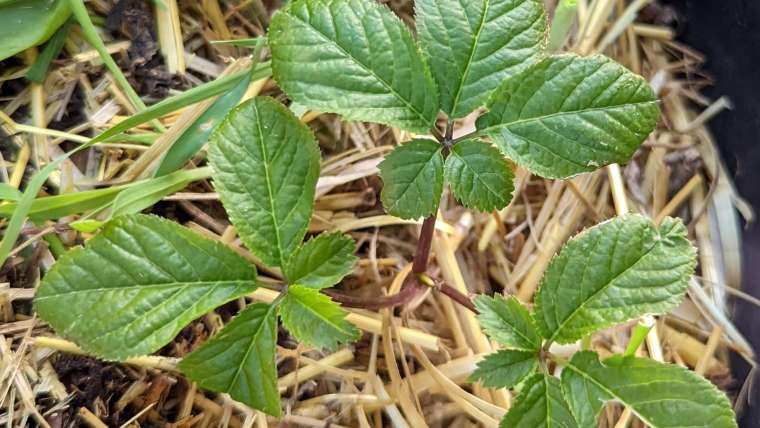
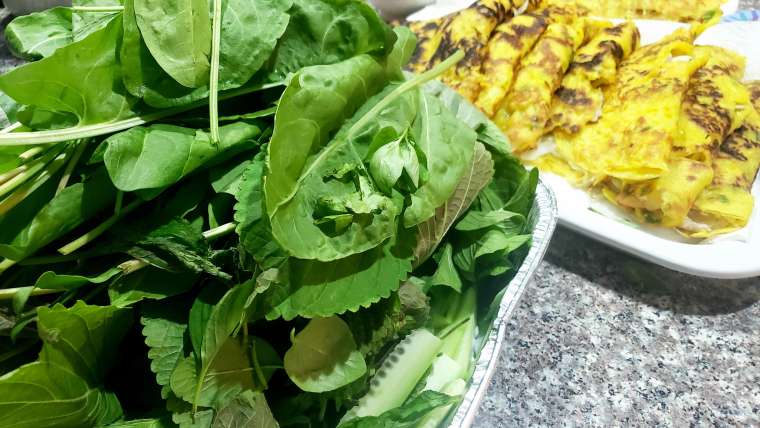
Ginseng. It’s a bit of a legend in the plant world—part mystique, part powerhouse. If you’ve never tried it, picture a root that’s been revered for centuries as an energy booster, stress buster, and overall wellness wizard. It’s earthy, slightly bitter, and packs a punch when it comes to medicinal benefits. Seriously, people have sworn by it from ancient times,…
Ginseng, scientifically known as Panax ginseng, has been revered for centuries for its medicinal properties, particularly in traditional medicine. Known for its ability to boost energy levels, support immune function, and combat stress, this valuable herb thrives in specific environmental conditions. Ginseng is a shade-loving plant that grows best in moist, well-drained, and slightly acidic soil, making it ideal for…
Sea Beans. Yeah, I know, they sound like something out of a sci-fi novel, but they’re actually one of nature’s little gems. Imagine if a wild, salty beach vibe met the crisp, earthy crunch of a bean. That’s a sea bean. Tasty, tangy, and a little briny—just the thing to jazz up a salad or add some zest to a…
Companion planting is a gardening technique where different plant species are grown together to benefit each other, improving growth, yield, and pest control. It’s a natural and effective way to create a more sustainable and healthy garden. One plant that particularly benefits from companion planting is the sea bean, a type of legume known for its nutritious pods and vines…
Sorrel. Sounds like something you’d expect to find in a medieval kitchen, right? But trust me, this plant is far more modern than you think—and totally underrated. If you’ve never tasted it, imagine if rhubarb and lemon had a love child that grew wild in your garden. Tangy, slightly sour, and refreshing, sorrel is the perfect way to add a…
Companion planting is a time-honored gardening practice that involves growing certain plants together to help them thrive. This technique, utilized by gardeners for centuries, is based on the understanding that some plants benefit from each other’s presence, while others may hinder growth or cause problems. When it comes to sorrel, an herb known for its tangy, lemony flavor and vibrant…
Tarragon. A bit of an unsung hero in the herb world. It’s got this subtle, anise-like flavor that can totally transform a dish without screaming for attention. If you’ve never tried it, think of it as a lighter, more refined cousin of licorice, but without the “you either love it or hate it” vibe. It’s kind of like the perfect…
Tarragon is a flavorful herb known for its distinct aroma and taste, often used in French cuisine to season fish, chicken, and sauces. Native to Eurasia and North America, this perennial plant thrives in well-drained soil and full sunlight, making it a popular choice for herb gardens and kitchen windowsills. However, like all plants, tarragon can benefit greatly from being…
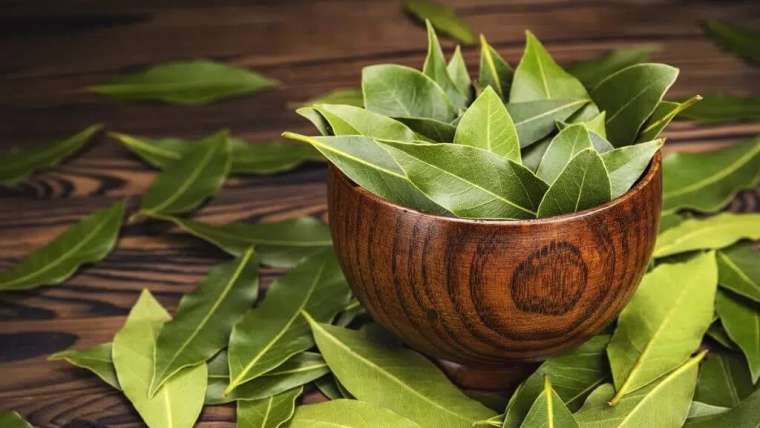
Bay Leaf. Not the most glamorous name, but trust me, it’s a game changer in the kitchen. If you’ve ever added a bay leaf to a simmering pot of soup or stew, you know it has this magical way of deepening flavors without overpowering them. It’s like the quiet genius of the spice world—subtle, yet essential. This evergreen tree might…
Bay leaf is a super popular evergreen shrub often grown for its aromatic leaves, which are widely used in culinary dishes. Native to the Mediterranean region, bay leaf thrives in warm climates and can make a beautiful addition to any garden or herb collection. When it comes to growing bay leaf, however, it’s essential to consider not just its individual…