
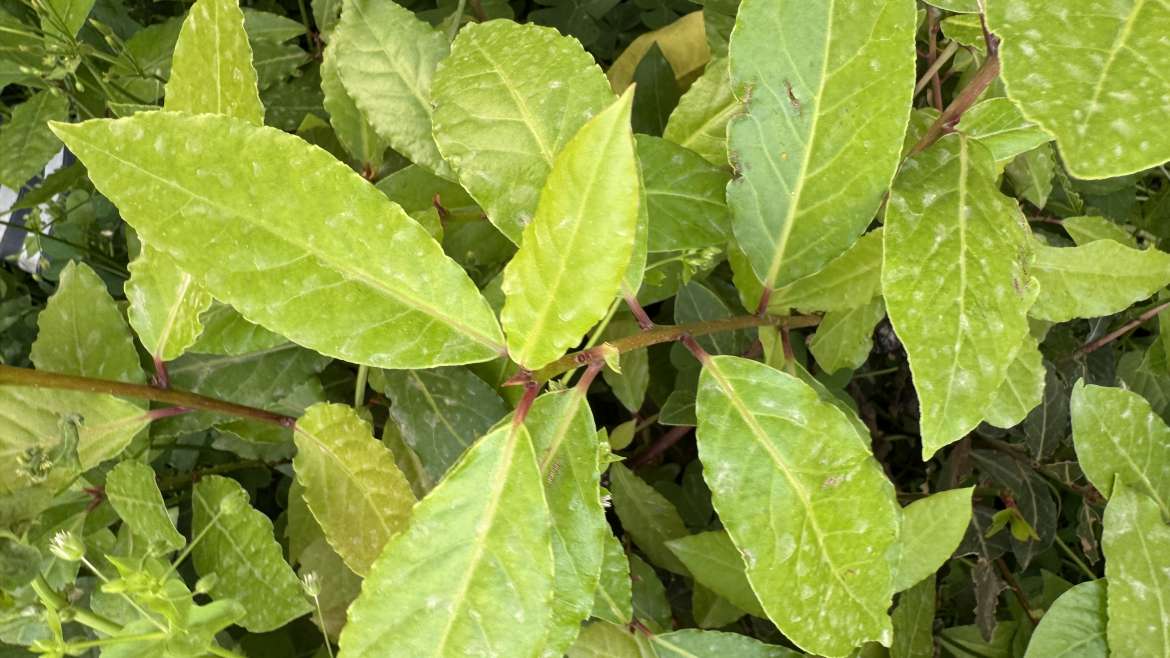
Bay leaf is a super popular evergreen shrub often grown for its aromatic leaves, which are widely used in culinary dishes. Native to the Mediterranean region, bay leaf thrives in warm climates and can make a beautiful addition to any garden or herb collection.
When it comes to growing bay leaf, however, it’s essential to consider not just its individual care but also the companions it will grow alongside. Companion planting is an age-old practice that can benefit a variety of plants by improving their growth, deterring pests, enhancing flavor, and supporting healthy ecosystems.
Understanding the best companions for bay leaf and those you should avoid can have a significant impact on its productivity and health. In this guide, we’ll explore why companion planting is important for bay leaf, the best companion plants to choose, plants to avoid, and tips for successful companion planting.
Why You Should Consider Companion Planting for Bay Leaf
Companion planting is the practice of growing certain plants together that can benefit one another in various ways. For bay leaf, companion planting can help by creating a more balanced environment in the garden, reducing the risk of pest infestations, and boosting plant health through complementary growth patterns. Bay leaf is a robust plant that can withstand drought conditions and tolerate poor soil, but it does have some specific needs when it comes to its garden companions.
One of the primary benefits of companion planting for bay leaf is pest control. Some plants release natural chemicals that can deter harmful insects that might otherwise damage bay leaves. Additionally, growing bay leaf alongside certain plants can help promote beneficial insect populations, such as pollinators and predators of common pests. Bay leaf can also benefit from the support of other plants that help regulate soil moisture, provide shade, or fix nitrogen in the soil, which can enhance its growth.
Another reason for considering companion planting is that bay leaf has a slow growth rate and may benefit from the protection of companion plants that offer a more immediate boost to the garden ecosystem. Some plants can act as a shield, protecting bay leaves from harsh winds, direct sunlight, or frost. With the right companions, you can optimize the environment for bay leaf and encourage a thriving herb garden.
Best Companion Plants for Bay Leaf

When selecting companions for bay leaf, you want to consider plants that will thrive in similar conditions, such as warm climates, well-drained soil, and plenty of sunlight. Bay leaf can tolerate a variety of growing conditions, but it prefers dry to moderate moisture levels and benefits from consistent care. The best companions will complement its needs while also providing mutual benefits.
1. Herbs
Many herbs are great companions for bay leaf because they share similar growing conditions. Common herbs like rosemary, thyme, and oregano thrive in well-drained soil and full sunlight, much like bay leaf. These herbs are often used in Mediterranean-style cooking, so growing them together makes practical sense. They are also relatively drought-tolerant and will not overwhelm the bay leaf with excessive moisture.
- Rosemary: This herb’s upright, woody growth habit complements bay leaf’s more shrubby nature. Both plants benefit from similar conditions, such as full sun and well-drained soil. Rosemary can help improve soil structure and discourage pests like aphids.
- Thyme: Another Mediterranean herb, thyme enjoys dry, well-drained soil. It’s a low-growing plant that won’t compete with bay leaf for vertical space, allowing both plants to grow harmoniously.
- Oregano: Like thyme, oregano thrives in dry conditions and full sun. It can act as a ground cover, helping to prevent weeds that might otherwise compete with bay leaf.
2. Marigolds
Marigolds are often praised for their ability to deter harmful pests, particularly aphids and nematodes, which can damage bay leaf plants. Marigolds’ strong scent repels insects that might otherwise target your bay leaf, providing natural pest control. In addition, their vibrant flowers can add a splash of color to the garden while also attracting beneficial pollinators like bees and butterflies.
Marigolds are also great at enhancing soil quality, as their roots release natural compounds that can reduce soil-borne pests and disease. The combination of pest control, attractive flowers, and soil health makes marigolds an excellent companion for bay leaf.
3. Basil
Basil is another herb that pairs well with bay leaf, particularly in culinary gardens. Not only do basil and bay leaf complement each other in terms of taste, but basil’s strong aroma can also help deter pests that may be attracted to bay leaves. Basil thrives in sunny, well-drained soil, much like bay leaf, and it can also enhance the growth of bay leaf by providing a living mulch to help retain soil moisture.
Basil’s growth habit is compact, which means it won’t compete for space with bay leaf. Additionally, basil is known to attract pollinators, which will benefit bay leaf by increasing the presence of beneficial insects in the garden.
4. Garlic
Garlic is an excellent companion plant for bay leaf due to its pest-repelling properties. Garlic has natural sulfur compounds that act as a deterrent to a variety of insect pests, including aphids and spider mites, which may affect bay leaves. Growing garlic near bay leaf can help protect the plant from these pests while also benefiting from garlic’s natural antifungal properties.
Additionally, garlic’s underground root system can help improve soil aeration, which bay leaf will appreciate, as it thrives in well-drained soil.
Plants to Avoid Planting Near Bay Leaf
While there are many great companion plants for bay leaf, there are also some that you should avoid planting nearby. Bay leaf can be a sensitive plant in certain situations, and its growth can be stunted or affected negatively if it shares space with incompatible companions. Some plants may compete for nutrients, space, or moisture, while others may introduce pests or diseases that can harm bay leaf.
1. Fennel
Fennel is known for its ability to inhibit the growth of many plants, and bay leaf is no exception. Fennel releases allelopathic chemicals that can stunt the growth of nearby plants by interfering with their ability to absorb nutrients and water. Fennel’s strong scent can also overwhelm bay leaf’s more subtle fragrance, making it an incompatible companion in the garden.
2. Cabbage Family (Brassicas)
Plants in the cabbage family, such as cabbage, broccoli, and cauliflower, can be problematic companions for bay leaf. These plants tend to attract similar pests, such as aphids and cabbage worms, which can also target bay leaf. Additionally, brassicas require a lot of nutrients, which can deplete the soil and hinder bay leaf’s growth. Avoid planting bay leaf near these plants to ensure healthy growth for both.
3. Strawberries
While strawberries can thrive in similar conditions as bay leaf, they are best planted in separate areas. Strawberries spread quickly and can become invasive, often competing for space and nutrients. Their shallow root systems may also interfere with bay leaf’s deeper roots, limiting the growth of the herb.
4. Beans and Peas
While beans and peas are beneficial for many garden plants due to their nitrogen-fixing abilities, they can be detrimental to bay leaf. Bay leaf prefers slightly alkaline soil, and beans and peas tend to lower soil pH. This can create an unfavorable environment for bay leaf, hindering its growth and overall health.
Tips for Growing Companion Plants with Bay Leaf
Successfully growing companion plants with bay leaf requires understanding the needs of both the bay leaf and its companions. Here are a few tips to help ensure that your bay leaf and its companion plants thrive together:
1. Spacing is Key
Bay leaf can grow large, and it needs space to spread its roots and branches. When selecting companion plants, make sure they are compatible in terms of growth habits. Avoid planting tall, sprawling plants too close to bay leaf to prevent overcrowding. Likewise, smaller companion plants should be placed around the edges of the bay leaf to avoid competition for light.
2. Watering and Soil Requirements
Although bay leaf prefers dry to moderate moisture levels, other companion plants may have different needs. Pay attention to the specific watering requirements of each companion plant and try to group them according to their moisture preferences. Consider adding mulch around your bay leaf to help retain soil moisture and maintain consistent conditions.
3. Rotate Plants Annually
To maintain soil health and reduce the risk of pests and diseases, practice crop rotation each year. Avoid planting the same companion plants next to bay leaf for consecutive seasons, and ensure that you’re introducing a diverse range of plants to keep the garden ecosystem healthy.
4. Watch for Pests and Diseases
While companion planting can reduce the likelihood of pests and diseases, it’s still important to monitor your plants regularly. Inspect bay leaf and its companions for signs of pest damage, such as yellowing leaves or holes. If pests do become an issue, try natural remedies like neem oil or insecticidal soap before turning to chemical solutions.
Conclusion
Companion planting for bay leaf can significantly enhance the growth and health of this aromatic herb. By choosing the right companion plants—such as rosemary, thyme, marigolds, basil, and garlic—you can improve soil quality, deter pests, and create a thriving garden ecosystem.
At the same time, avoid planting bay leaf near fennel, brassicas, strawberries, and beans, as they can hinder its growth or attract pests. With careful planning and attention to the needs of your bay leaf and its companions, you can cultivate a productive and harmonious herb garden.
Sign up to get our FREE weekly emails
Gardening guides, tips, & videos delivered right to your inbox!


