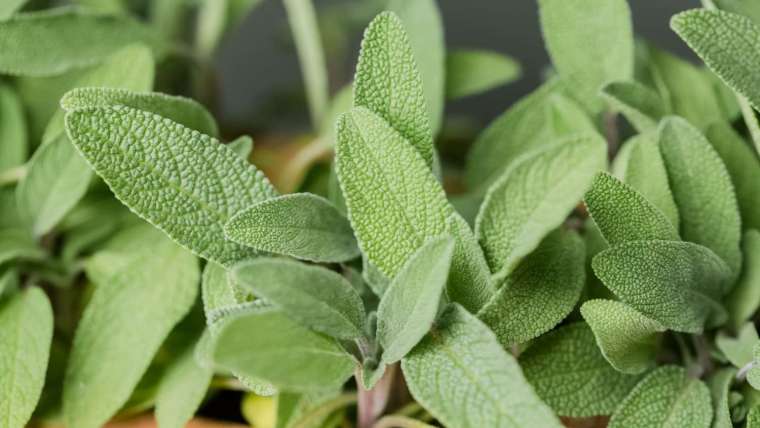
Sage. It’s a humble herb with a name that packs a punch. If you’ve never worked with it, think of it as the quiet genius of your spice rack. It has this earthy, savory flavor that can totally transform a dish—whether you’re cooking up a hearty roast or making a simple pasta. There’s just something about sage that makes everything…
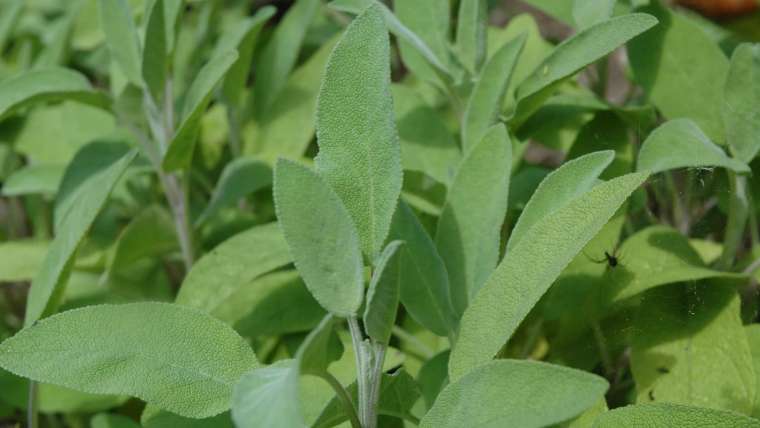
Sage is such a hardy herb commonly used in both culinary dishes and traditional medicine. Known for its strong aroma and earthy flavor, sage is a favorite in many herb gardens. It thrives in well-drained soil and a sunny location, making it an easy herb to grow for gardeners of all experience levels. However, to get the best results in…
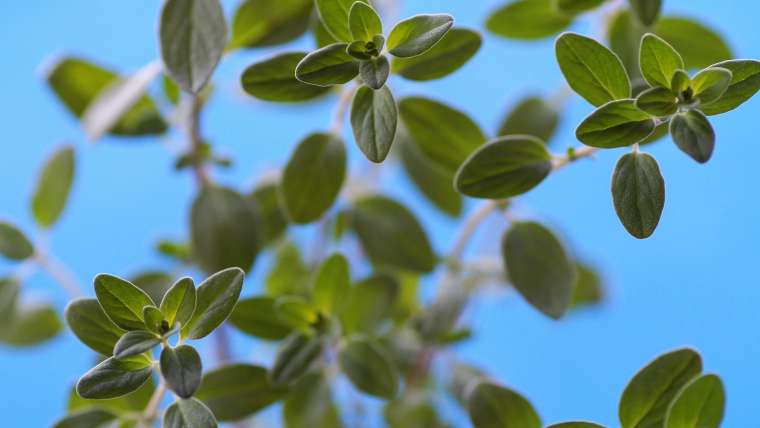
Thyme is one of the most popular herbs used in culinary dishes around the world. Its distinct aroma and flavor make it a versatile ingredient, adding depth to everything from meats to soups and sauces. However, thyme is not only a valuable herb in the kitchen; it’s also a beneficial plant for your garden. Companion planting is an age-old gardening…
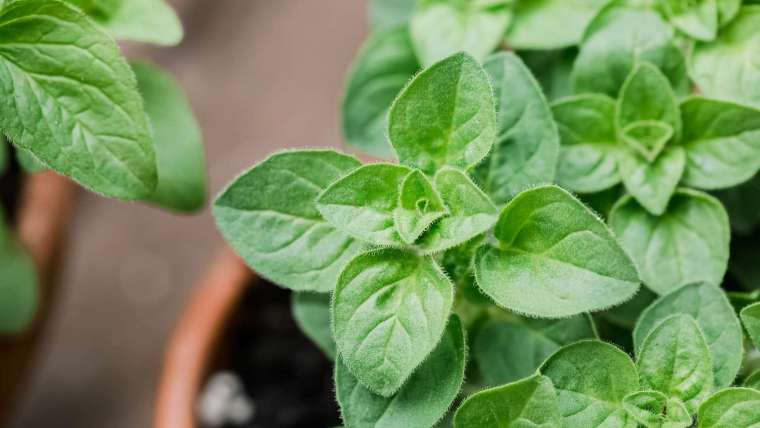
Oregano is a popular herb known for its aromatic leaves and strong flavor, often used in Mediterranean and Italian cooking. Whether grown in your garden, on your windowsill, or in a pot, oregano thrives in a variety of conditions and offers numerous benefits to the home gardener. One particularly effective way to optimize the growth and health of your oregano…
Marjoram. It’s one of those herbs that flies under the radar but packs a serious punch in the flavor department. Think of it like a cousin of oregano, but with a softer, sweeter personality. It’s got this mellow, citrusy vibe that makes it perfect for just about everything—whether you’re tossing it into a hearty stew, seasoning your roast veggies, or…
Companion planting is an age-old gardening technique that involves strategically placing certain plants next to each other to promote growth, prevent pest infestations, and improve the overall health of a garden. Marjoram, a popular herb known for its aromatic and flavorful leaves, thrives when paired with the right companions. By understanding the principles of companion planting and selecting the best…
Chamomile. Not just a pretty flower, but a small powerhouse of relaxation. If you’ve ever brewed yourself a cup of chamomile tea, you’ve probably felt that instant calm wash over you—like a soft blanket for your brain. The tiny white flowers with their sunny yellow centers are like nature’s little aspirin, offering relief from everything from stress to stomach aches.…
Companion planting is an ancient gardening technique that involves planting different species of plants together for mutual benefit. This practice not only helps plants grow more efficiently but also can boost yields, improve flavor, and reduce pest issues naturally. One plant that greatly benefits from this practice is chamomile. Known for its soothing properties and delicate flowers, chamomile can thrive…
Valerian. Sounds like something out of a fantasy novel, right? But trust me, it’s a real gem. If you’ve ever needed a way to wind down after a stressful day or get a better night’s sleep, valerian’s your go-to plant. It’s been used for centuries to help with insomnia, anxiety, and even muscle tension. It’s like nature’s chill pill. This…
Gardening is an art that requires understanding the intricate relationships between plants. One technique that has gained popularity among gardeners is companion planting, which involves planting certain species together to promote mutual benefits, such as improved growth, enhanced flavor, and protection against pests. Valerian, known for its medicinal properties and fragrant flowers, is one such plant that can benefit greatly…