

Valerian. Sounds like something out of a fantasy novel, right? But trust me, it’s a real gem. If you’ve ever needed a way to wind down after a stressful day or get a better night’s sleep, valerian’s your go-to plant. It’s been used for centuries to help with insomnia, anxiety, and even muscle tension. It’s like nature’s chill pill.
This hardy perennial loves the sun and thrives in rich, well-drained soil. If you’re planting it, make sure to give it a bit of space—valerian isn’t shy about spreading its roots and growing tall. And though it’s not exactly a diva, it will appreciate some care, especially in the first year. Keep it watered, but don’t drown it, and it’ll reward you with fragrant, white or pinkish blooms that bees love.
The plant itself? Not just a medicinal marvel, but a beauty to behold too—those tall, delicate flowers with a faintly sweet scent make valerian a lovely addition to any garden. It’s like having a little slice of tranquility right in your backyard. Just don’t expect it to be low-maintenance, because like any good healer, it knows how to demand a bit of attention.
How to Grow Valerian
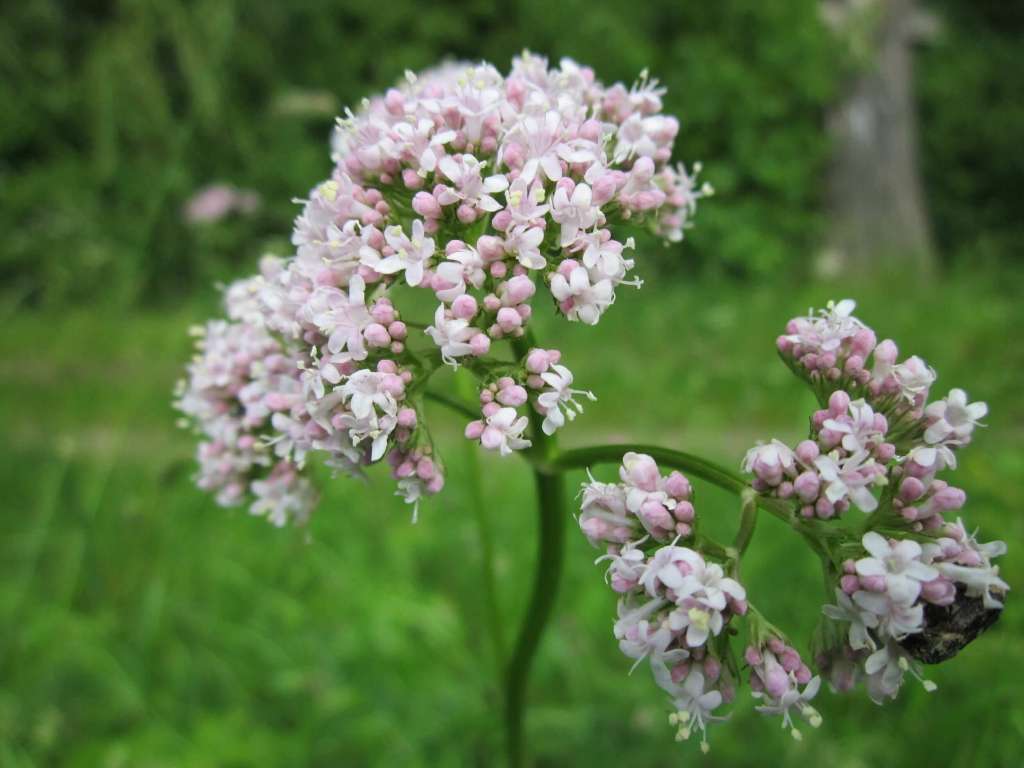
Valerian (Valeriana officinalis) is a perennial herb known for its medicinal properties, particularly its roots, which are used to make herbal remedies.
Below is a step-by-step guide on how to plant, grow, and harvest valerian.
Planting Valerian
- Choose a Location:
- Valerian prefers full sun but can tolerate partial shade.
- Select a location with well-drained soil. Valerian thrives in rich, loamy soil but can grow in various soil types.
- Sowing Seeds:
- Start valerian seeds indoors in late winter or early spring. Sow the seeds on the surface of the soil without covering them, as they need light to germinate.
- Keep the soil moist, and the seeds should germinate within 2-4 weeks.
- Once the seedlings are large enough to handle, transplant them into larger pots or directly into the garden after the last frost.
- Planting Transplants:
- If using transplants, space them about 12-24 inches apart, as valerian can grow quite large, reaching up to 5 feet tall.
- Water the plants well after transplanting.
Growing Valerian
- Watering:
- Keep the soil consistently moist, especially during dry periods. Valerian prefers slightly moist soil but not waterlogged conditions.
- Mulching:
- Mulch around the base of the plants to retain moisture and suppress weeds.
- Fertilizing:
- Valerian doesn’t require heavy fertilization. You can apply a balanced organic fertilizer in the spring if the soil is poor.
- Pruning:
- Deadhead spent flowers to encourage further blooming and prevent self-seeding if you don’t want the plant to spread.
Harvesting Valerian
- Harvest Time:
- The roots of valerian are the most commonly harvested part, typically in the second year of growth when the plant is more established.
- Harvest the roots in the fall after the plant has finished flowering, usually in September or October.
- Harvesting the Roots:
- Dig up the entire plant carefully, loosening the soil around the roots with a garden fork.
- Shake off the excess soil and wash the roots thoroughly.
- Drying and Storing:
- Cut the roots into smaller pieces and spread them out in a well-ventilated area to dry. You can use a dehydrator or hang them in small bundles.
- Once dried, store the roots in an airtight container in a cool, dark place. They can be used for making tinctures, teas, or extracts.
Additional Tips
- Pests and Diseases:
- Valerian is generally pest-resistant but watch out for aphids and slugs.
- Ensure good air circulation around the plants to prevent fungal diseases.
- Companion Planting:
- Valerian can be a good companion plant in the garden, attracting beneficial insects like pollinators.
Valerian Growing Zone
Valerian (Valeriana officinalis) is a hardy perennial herb that grows best in USDA Hardiness Zones 4 to 9. These zones cover a range of climates, from cold temperate regions to more moderate and warmer areas.
Growing Valerian FAQ
Valerian (Valeriana officinalis) is a perennial herb known for its calming properties, commonly used in herbal medicine to treat anxiety, insomnia, and stress. It has fern-like leaves and clusters of small, fragrant flowers.
You can plant Valerian from seeds, cuttings, or divisions. Sow seeds directly in the garden in early spring, or start them indoors 6-8 weeks before the last frost. Plant divisions or cuttings in spring or fall.
Valerian typically blooms from late spring to early summer, producing small, fragrant white or pink flowers that attract pollinators like bees and butterflies.
The roots of Valerian are the most commonly used part. Harvest the roots in the fall of the second year, when they are most potent. Dig them up, wash thoroughly, and dry them for later use.
Yes, Valerian can be grown in large containers. Ensure the container is at least 12 inches deep to accommodate its root system, and use well-draining potting soil.
Valerian can be propagated by seed, division, or cuttings. For division, separate the root clumps in early spring or fall. For cuttings, take 4-6 inch stem cuttings in late spring or early summer and root them in moist soil.
Sign up to get our FREE weekly emails
Gardening guides, tips, & videos delivered right to your inbox!


