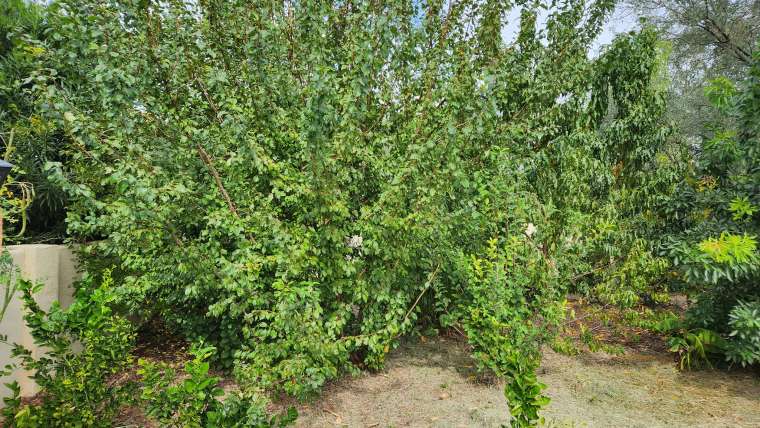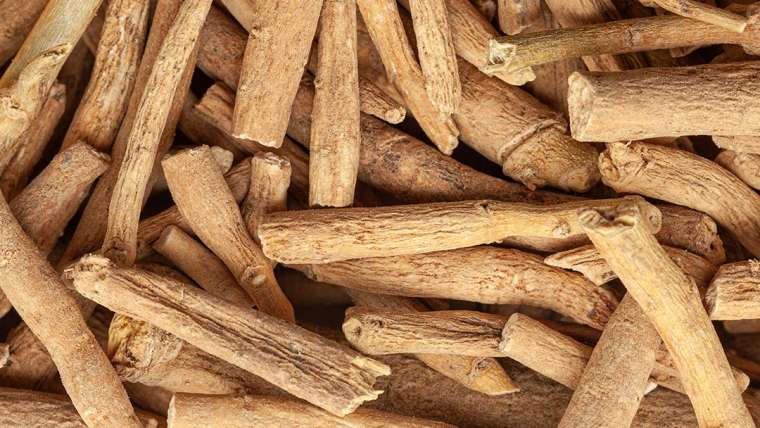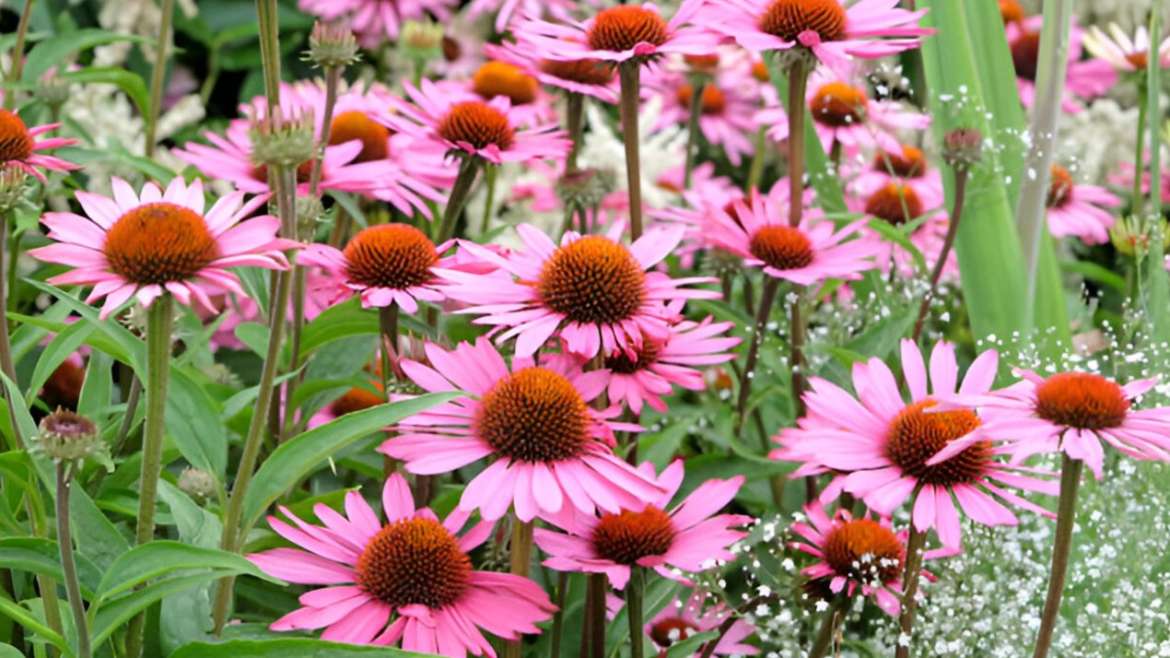
Echinacea, commonly known as coneflower, is a beautiful and beneficial perennial that enhances gardens with its vibrant colors and medicinal properties.
Native to North America, this hardy plant is widely grown for its ability to attract pollinators like bees and butterflies, as well as its well-known immune-boosting benefits. But did you know that echinacea thrives even better when paired with the right companion plants?
Companion planting is a time-tested gardening practice that enhances plant health, improves soil quality, deters pests, and boosts overall yields. Choosing the right neighbors for your echinacea can lead to a healthier, more vibrant garden.
In this guide, we’ll explore why companion planting is essential, the best plants to grow alongside echinacea, which ones to avoid, and practical tips for successful companion gardening.
Why You Should Consider Companion Planting for Echinacea
1. Enhancing Pollination
Echinacea is a magnet for bees, butterflies, and other pollinators. By planting it alongside other pollinator-friendly plants, you can create a thriving ecosystem that supports beneficial insects, leading to improved pollination and healthier plants.
2. Pest Control
Certain plants act as natural repellents against pests that may otherwise target echinacea. For example, strong-scented herbs like rosemary and lavender can deter aphids and other harmful insects, keeping echinacea safe from infestations.
3. Soil Health and Nutrient Sharing
Echinacea grows well in nutrient-rich, well-drained soil. Companion plants that fix nitrogen or improve soil structure can enhance the growing conditions for echinacea. Plants like clover and legumes help improve soil fertility, making nutrients more available.
4. Aesthetic Appeal
Companion planting isn’t just about function—it’s also about form. Pairing echinacea with plants that contrast or complement its bright purple, pink, or white blooms can create a visually stunning garden display.
5. Weed Suppression
Certain companion plants can act as a natural mulch by covering the soil and preventing weed growth, which can compete with echinacea for nutrients and water.
Best Companion Plants for Echinacea
1. Lavender (Lavandula spp.)
Lavender and echinacea make a perfect pair. Both thrive in full sun and well-drained soil, and their contrasting purple hues create a striking visual effect. Additionally, lavender’s strong scent repels pests, protecting echinacea from harmful insects.
2. Black-Eyed Susan (Rudbeckia hirta)
Black-eyed Susans and echinacea are a classic combination in prairie-style gardens. These plants have similar growing conditions and bloom times, providing a long-lasting burst of color that attracts pollinators.
3. Yarrow (Achillea millefolium)
Yarrow is another excellent companion for echinacea. It improves soil health, attracts beneficial insects, and provides a delicate contrast with its feathery foliage and umbrella-shaped flowers.
4. Bee Balm (Monarda spp.)
Bee balm is a pollinator-friendly plant that enhances echinacea’s ability to attract bees, butterflies, and hummingbirds. It also shares similar sun and soil requirements, making it an easy-to-grow companion.
5. Russian Sage (Perovskia atriplicifolia)
With its airy blue-purple blooms and drought-tolerant nature, Russian sage pairs beautifully with echinacea. It helps create a layered garden effect while also deterring pests with its aromatic foliage.
6. Milkweed (Asclepias spp.)
Milkweed attracts monarch butterflies, making it an excellent companion for echinacea. Both plants thrive in similar conditions, and together, they help support a diverse range of pollinators.
7. Basil (Ocimum basilicum)
Basil is a great herb to plant near echinacea because it helps repel mosquitoes and other unwanted insects while enhancing the overall biodiversity of your garden.
8. Thyme (Thymus spp.)
Thyme serves as a ground cover that helps suppress weeds and retain soil moisture, benefiting echinacea while also offering culinary and medicinal uses.
9. Coreopsis (Coreopsis spp.)
Coreopsis shares the same sun-loving and drought-resistant qualities as echinacea, making it a fantastic floral companion that extends the blooming season in your garden.
10. Globe Thistle (Echinops spp.)
Globe thistle has a spiky, globe-shaped flower that adds textural contrast to echinacea while attracting pollinators and deterring deer and rabbits.
Plants to Avoid Planting Near Echinacea
While echinacea thrives with many plants, some should be avoided due to competition, potential pest attraction, or differing growing requirements.
1. Mint (Mentha spp.)
Mint is an aggressive grower that can quickly overtake echinacea by spreading through underground runners. It’s best grown in containers away from your echinacea plants.
2. Fennel (Foeniculum vulgare)
Fennel secretes chemicals into the soil that can inhibit the growth of nearby plants, including echinacea.
3. Brassicas (Cabbage, Broccoli, Kale, etc.)
Echinacea and brassicas have different soil and watering needs. Additionally, brassicas can attract pests that might harm echinacea.
4. Highly Competitive Grasses
Some ornamental grasses can outcompete echinacea for nutrients and water, making it difficult for the coneflower to thrive.
5. Shade-Loving Plants
Plants that require shade, like ferns and hostas, won’t thrive near echinacea, which prefers full sun and well-drained soil.
Tips for Growing Companion Plants with Echinacea
1. Match Growing Conditions
Choose companion plants that have similar light, soil, and water requirements. Echinacea prefers full sun and well-drained soil, so avoid pairing it with plants that require excessive moisture or shade.
2. Consider Plant Heights
Echinacea typically grows 2-4 feet tall. To prevent taller plants from shading it out, position shorter companion plants in front and taller ones behind or to the side.
3. Space Plants Properly
Overcrowding can lead to poor air circulation, increasing the risk of fungal diseases. Space plants according to their mature sizes to ensure they have enough room to thrive.
4. Rotate Plants Annually
If you grow echinacea in a mixed garden bed, consider rotating companion plants each year to prevent soil depletion and pest buildup.
5. Mulch to Retain Moisture
Mulching around echinacea and its companions helps retain soil moisture, suppress weeds, and regulate soil temperature.
6. Deadhead for Extended Blooms
Removing spent echinacea flowers encourages further blooming and prevents excessive self-seeding if you want to control its spread.
7. Attract Beneficial Insects
Planting a variety of pollinator-friendly flowers near echinacea enhances the diversity of beneficial insects, promoting a healthier garden.
Final Thoughts on Companion Planting for Echinacea
Companion planting is a valuable strategy to enhance the growth and resilience of echinacea while creating a thriving, biodiverse garden. By choosing the right plants to grow alongside echinacea, you can improve soil health, attract pollinators, deter pests, and create an aesthetically pleasing landscape.
Sign up to get our FREE weekly emails
Gardening guides, tips, & videos delivered right to your inbox!