Goji berries. Odd name, but trust me, they’re a superfood for a reason. If you’ve never tried one, picture a tiny, wrinkled red berry that’s packed with sweet and tart flavors in one bite. It’s like nature’s candy, but with a serious health boost. They’re also known as wolfberries and they’ve been used in traditional medicine for centuries, and for…
Goji berries, also known as wolfberries, are renowned for their health benefits and vibrant red fruits. These small, nutrient-packed berries have gained popularity in recent years, and many gardeners are looking to cultivate them in their own backyards. One of the best ways to improve the health and productivity of goji plants is through companion planting. Companion planting is the…
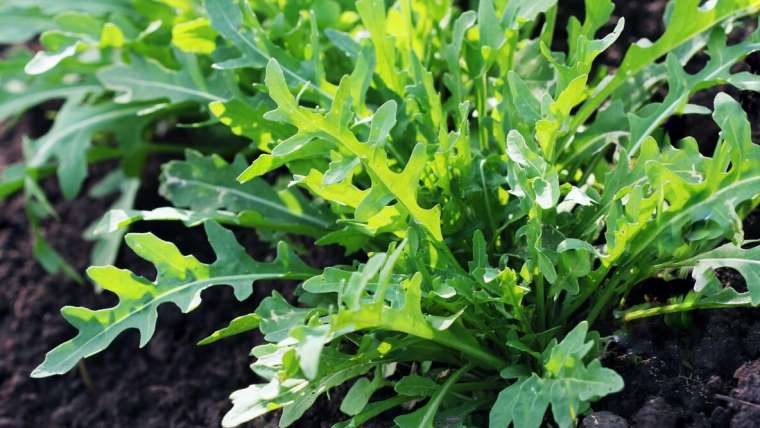
Arugula, with its peppery flavor and vibrant green leaves, is a beloved addition to salads, sandwiches, and even pizzas. This leafy green is not only popular in culinary dishes but also a favorite among gardeners for its relatively easy cultivation. However, even the hardiest of plants can benefit from a little help from their neighbors. Companion planting is a time-honored…
Asparagus is a perennial vegetable that is both delicious and highly nutritious. Once established, asparagus can thrive for many years with minimal care. However, to maximize its growth, health, and yield, it’s essential to use companion planting techniques. Companion planting is the practice of growing different types of plants together to benefit each other in various ways, such as improving…
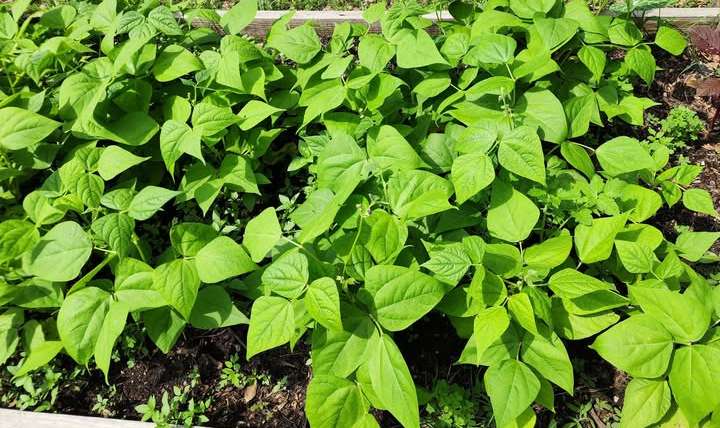
Growing beans offers so many benefits, making them a valuable addition to any garden. Beans. Simple name, but these little guys are anything but basic. If you’ve never tried them, imagine a hearty, satisfying bite that’s as versatile as your favorite pair of jeans. Beans can be everything from creamy and mild to bold and spicy, making them a staple…
Companion planting is a gardening technique that involves growing different plants in close proximity to one another to create a harmonious environment that benefits each plant. This method can help plants grow better, ward off pests, and even improve the overall health of your garden. Beans, being nitrogen-fixing plants, are excellent candidates for companion planting because they enrich the soil…
Corn. It might seem basic, but trust me, it’s one of the most underrated gems in the garden. If you’ve never grown it, think of it like a tall, leafy giant that, with a little patience, rewards you with the sweetest, juiciest kernels that make everything from tacos to summer BBQs feel a little more special. Corn is the vegetable…
Companion planting is a gardening technique that involves strategically planting different crops together to benefit one another. This ancient practice can promote healthier plants, improve pest control, enhance soil fertility, and boost overall crop yields. When it comes to growing corn, companion planting offers numerous benefits. Corn, a member of the grass family, has a distinct growth pattern and requires…
Companion planting is a gardening technique where different plant species are grown in close proximity to one another in order to enhance their growth, protect them from pests, and improve overall garden health. The practice is based on the understanding that some plants benefit from being close to one another, while others may hinder growth or attract pests that can…
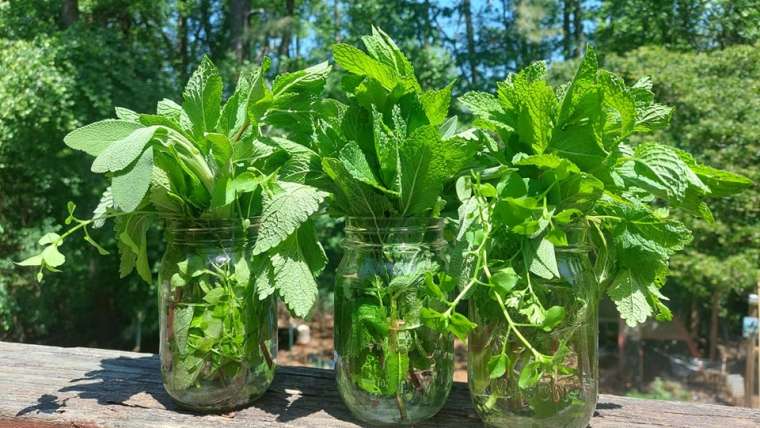
Mint is one of the most popular and versatile herbs, widely known for its refreshing flavor and medicinal properties. Whether you’re growing it in your garden, on your windowsill, or in a container, mint thrives in almost any environment. However, despite its hardy nature, mint has specific companion plants that can help improve its growth, enhance its flavors, and even…