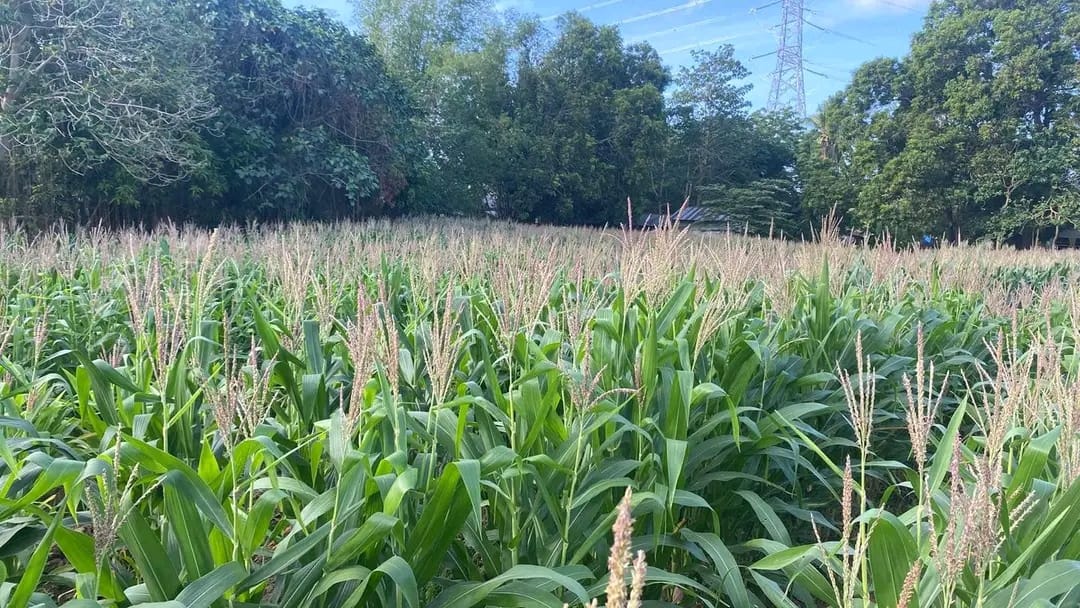
Companion planting is a gardening technique that involves strategically planting different crops together to benefit one another. This ancient practice can promote healthier plants, improve pest control, enhance soil fertility, and boost overall crop yields. When it comes to growing corn, companion planting offers numerous benefits.
Corn, a member of the grass family, has a distinct growth pattern and requires specific environmental conditions to thrive. While it can grow well on its own, pairing it with the right companion plants can improve its growth, protect it from pests, and even boost its nutritional value.
In this post, we’ll explore the importance of companion planting for corn, the best companion plants, the ones to avoid, and some essential tips for growing companion plants alongside your corn.
Why You Should Consider Companion Planting for Corn
Corn is a nutrient-hungry crop that requires plenty of sunlight, space, and water to grow successfully. It can also be susceptible to pests, such as corn borers and aphids, and may face competition from weeds. Companion planting is an effective way to address these challenges and enhance your corn’s growth.
One of the primary benefits of companion planting for corn is the potential for natural pest control. Certain plants can deter pests that target corn by emitting scents or chemicals that repel insects. For example, planting marigolds or garlic near your corn can help ward off pests that may otherwise damage your crops.
Another benefit of companion planting for corn is the improvement in soil fertility. Corn requires a lot of nitrogen to grow, and some plants, such as legumes, have the ability to fix nitrogen in the soil. By planting legumes alongside corn, you can enhance soil fertility and reduce the need for chemical fertilizers.
Additionally, companion plants can provide natural shade, reducing water evaporation and creating a microclimate that benefits both plants. Corn can also act as a trellis for certain climbing plants, like beans or peas, which makes efficient use of garden space.
Ultimately, companion planting can create a more balanced and resilient garden ecosystem. By planting the right companions, you help create an environment that encourages biodiversity, attracts beneficial insects, and supports the overall health of your corn plants.
Best Companion Plants for Corn

- Beans. Beans are one of the best companion plants for corn. The relationship between corn and beans is often referred to as the “Three Sisters” planting method, which also includes squash. Beans, particularly pole beans, benefit from the tall corn stalks, using them as natural trellises to climb. In return, beans fix nitrogen in the soil, replenishing one of corn’s essential nutrients. This natural nitrogen fixation reduces the need for synthetic fertilizers and provides ongoing benefits to your soil.
- Squash. Squash is another key companion plant for corn, completing the “Three Sisters” planting method. The broad, spreading leaves of squash help to shade the ground, reducing soil temperature and moisture loss. This is particularly helpful in hot weather, as it prevents the soil around the corn from drying out too quickly. Additionally, the low-growing squash plants help to smother weeds, reducing competition for nutrients, water, and sunlight. Squash can also act as a natural pest deterrent due to its rough, spiny leaves, which can make it difficult for certain insects to move through.
- Marigolds. Marigolds are well-known for their ability to repel a variety of pests. Their strong scent can help keep aphids, nematodes, and even corn borers away from your corn plants. By planting marigolds in between or around your corn, you create a natural pest barrier that helps to protect your crop. Marigolds are also relatively easy to grow and can be an attractive addition to your garden.
- Sunflowers. Sunflowers and corn have a mutually beneficial relationship. Like corn, sunflowers are tall plants that can provide shade to the soil and create a windbreak for your corn plants. In return, corn provides support to sunflowers by acting as a windbreak during storms or high winds. Additionally, sunflowers attract pollinators like bees, which are beneficial for all plants in your garden, including corn.
- Herbs (Basil, Mint, and Sage). Herbs like basil, mint, and sage are excellent companions for corn because they can deter pests. Basil, for instance, helps repel aphids and spider mites, which can damage corn leaves. Mint has a strong aroma that repels a wide range of pests, including ants and rodents, which may be attracted to corn. Sage can help keep away aphids and even certain types of caterpillars that are harmful to corn.
- Radishes. Radishes are quick-growing root vegetables that can benefit corn in several ways. They help break up compacted soil, allowing for better root penetration and water absorption. Additionally, radishes attract beneficial insects, such as ladybugs, which prey on aphids and other harmful pests. Planting radishes between your corn rows can also help improve soil aeration and provide a natural mulch layer.
- Cucumbers. Cucumbers are another good companion for corn, particularly if you are planting in a garden with limited space. Like squash, cucumbers spread across the ground, helping to shade the soil and reduce water evaporation. They also help suppress weeds and reduce competition for nutrients. Furthermore, cucumbers attract pollinators, which benefit both your corn and other plants in your garden.
Plants to Avoid Planting Near Corn

While there are many plants that thrive alongside corn, there are also some that should be avoided due to competition for nutrients, space, or susceptibility to pests.
- Tomatoes. Tomatoes are not ideal companions for corn. Both plants have similar nutrient requirements, especially for nitrogen, and planting them too close together can lead to competition for this essential nutrient. This may result in stunted growth for both plants. Additionally, tomatoes are susceptible to certain pests, such as aphids and hornworms, that can also affect corn.
- Carrots. Carrots do not pair well with corn because both plants have different soil requirements. Corn prefers loamy, nutrient-rich soil, while carrots thrive in slightly sandy or well-drained soil. The deep roots of carrots can also compete with the shallow roots of corn, hindering its ability to absorb nutrients and water.
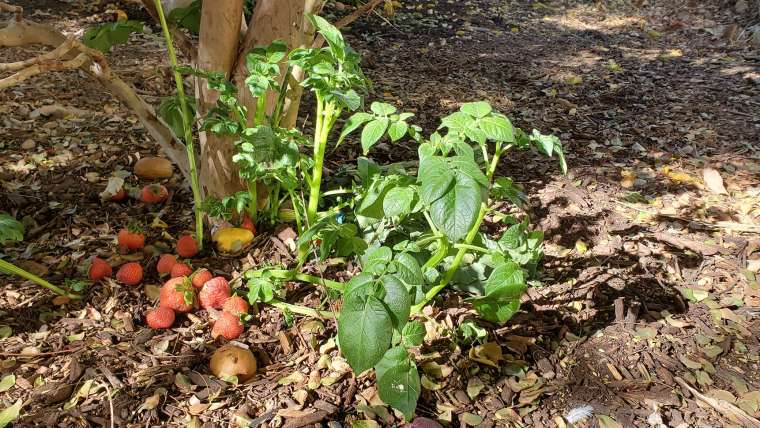
- Potatoes. Potatoes are not good companions for corn due to similar soil and pest issues. Potatoes are prone to attracting aphids, which can also target corn, and they share similar nutrient requirements, leading to competition for resources. Additionally, corn’s tall stalks can create shade that inhibits potato growth, which prefers full sunlight.
- Brassicas (Cabbage, Broccoli, and Cauliflower). Brassicas such as cabbage, broccoli, and cauliflower should not be planted near corn, as they are heavy feeders that compete for nitrogen and other nutrients. These plants may also attract pests like cabbage worms and aphids, which can move from the brassicas to the corn plants. Furthermore, brassicas require cool weather to grow well, whereas corn thrives in warmer conditions, making them incompatible companions.
Tips for Growing Companion Plants with Corn
- Plan Your Planting Layout. When planting corn and its companions, it’s essential to plan your garden layout carefully. For example, plant tall crops like sunflowers or beans alongside corn to maximize space and reduce shading. Be sure to leave enough space for the companion plants to grow without crowding the corn. Proper spacing will ensure that both the corn and its companions have access to the resources they need to thrive.
- Practice Crop Rotation. Crop rotation is essential to maintain soil health and prevent the buildup of pests and diseases. If you’re planting corn every year, consider rotating the location of companion plants. For example, if you planted beans alongside your corn one year, rotate the beans with another crop the next year to prevent soil depletion and pest buildup.
- Watering and Mulching. Companion plants can help reduce the need for excessive watering, but it’s still important to ensure that both corn and its companions receive adequate moisture. Mulching around the base of your plants can help retain moisture in the soil and reduce evaporation. This is especially important for crops like beans and squash, which benefit from consistent soil moisture.
- Monitor for Pests. While companion planting can help deter pests, it’s still important to monitor your garden regularly for signs of pest infestations. Keep an eye out for aphids, corn borers, and other common pests. If you notice an infestation, remove affected leaves or plants promptly and consider using organic pest control methods.
Conclusion
Companion planting for corn is a time-tested strategy that can improve your corn’s growth, reduce pest issues, and boost overall soil health. By carefully selecting the right companion plants, you can create a thriving garden ecosystem where your corn and its neighbors work together to enhance one another’s growth.
Regardless if it’s the nitrogen-fixing benefits of beans, the weed suppression of squash, or the pest-repelling powers of marigolds, companion planting for corn offers a natural, sustainable way to maximize your harvest. With a little planning, you can reap the rewards of a healthier, more productive garden.
Sign up to get our FREE weekly emails
Gardening guides, tips, & videos delivered right to your inbox!