
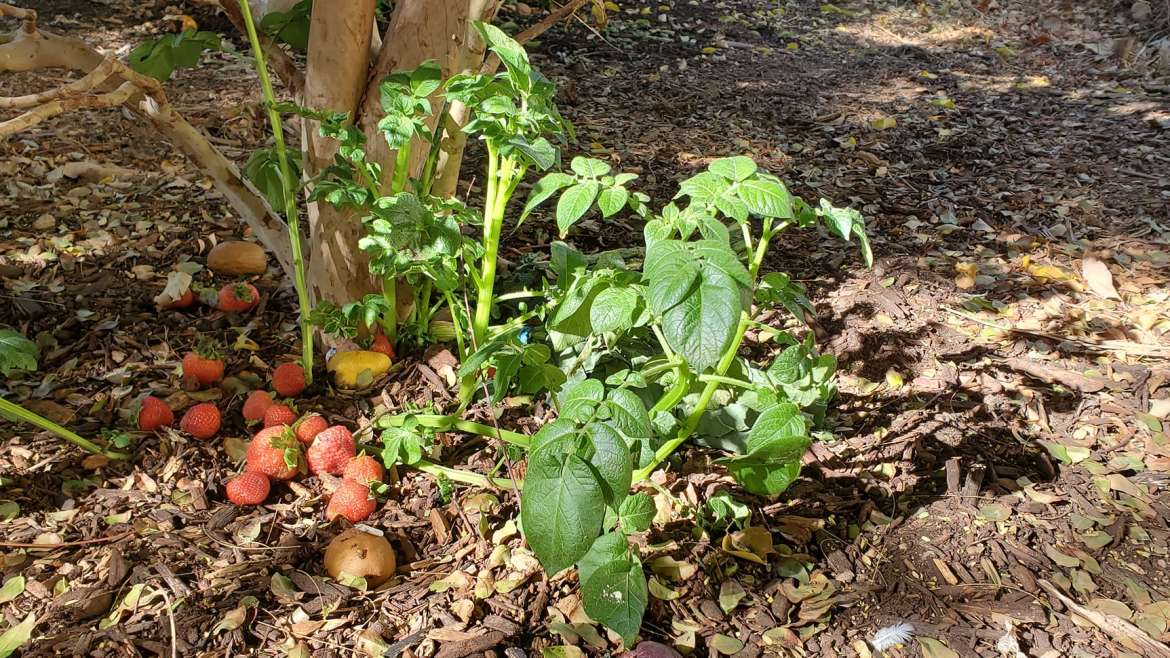
Potatoes are a staple crop in many gardens, prized for their versatility and ability to provide a bountiful harvest. However, growing potatoes isn’t without challenges, such as pest infestations, diseases, and nutrient competition.
One effective, natural method to address these issues and promote healthy potato growth is companion planting. This gardening technique involves growing certain plants together to benefit each other.
In this article, we’ll explore the reasons for companion planting with potatoes, the best plants to grow alongside them, and tips for ensuring success in your garden.
Why You Should Consider Companion Planting for Potatoes

Companion planting is a centuries-old gardening practice that takes advantage of the natural relationships between plants. When done correctly, it offers numerous benefits that can enhance the health and yield of your potato crop. Here’s why companion planting is worth considering:
- Pest Control: Potatoes are susceptible to pests like Colorado potato beetles, aphids, and wireworms. Certain companion plants can repel these pests or attract beneficial predators to keep them in check. For example, marigolds and nasturtiums are known for their pest-repelling properties.
- Disease Prevention: Some plants help reduce the spread of diseases that commonly affect potatoes, such as blight. They can create a healthier microclimate by improving airflow and reducing soil-borne pathogens.
- Improved Nutrient Uptake: Potatoes are heavy feeders that deplete the soil of nutrients. Companion plants like legumes can fix nitrogen into the soil, enriching it naturally.
- Space Efficiency: Companion planting allows you to maximize your garden space by intercropping plants that thrive alongside each other. This method is particularly useful in small gardens or raised beds.
- Enhanced Flavor and Growth: Certain plants, such as herbs, can improve the flavor of potatoes or support their growth by fostering a balanced ecosystem in the soil.
Best Companion Plants for Potatoes
When selecting companion plants for potatoes, it’s essential to choose those that offer specific benefits, whether it’s pest control, nutrient enrichment, or disease prevention. Here are some of the best companion plants for potatoes:
1. Marigolds
Marigolds are excellent companions for potatoes because they repel nematodes, aphids, and other harmful pests. Their vibrant flowers also attract pollinators and beneficial insects like ladybugs, which feed on potato pests.
2. Nasturtiums
These flowers act as a trap crop for aphids and Colorado potato beetles. Nasturtiums’ sprawling habit can also provide ground cover, helping to suppress weeds and retain soil moisture.
3. Horseradish
Horseradish is a natural pest deterrent, particularly against potato beetles. Planting it near the edges of your potato patch can form a protective barrier.
4. Beans and Peas
As legumes, beans and peas fix nitrogen in the soil, enriching it for heavy feeders like potatoes. They also grow vertically, making efficient use of garden space.
5. Chives and Onions
Members of the allium family, such as chives and onions, can repel pests like aphids and reduce the risk of fungal diseases. Their strong smell can confuse and deter insects searching for potato plants.
6. Coriander (Cilantro)
Coriander attracts beneficial insects like hoverflies, which prey on aphids and other pests that target potatoes.
7. Spinach and Lettuce
These leafy greens grow quickly and can be harvested before potato plants mature. They provide ground cover, which helps retain soil moisture and reduce weed growth.
8. Cabbage Family Plants
Brassicas like cabbage, kale, and broccoli can grow well alongside potatoes as they have different nutrient needs. However, it’s crucial to monitor spacing to prevent overcrowding.
9. Thyme and Basil
Herbs like thyme and basil repel pests while enhancing the flavor of nearby potatoes. They’re also easy to grow and require minimal maintenance.
Plants to Avoid Planting Near Potatoes
While companion planting has many benefits, some plants can hinder potato growth. Avoid planting potatoes near:
- Tomatoes: Both are susceptible to blight, and planting them together can increase the risk of disease spread.
- Carrots: Carrots compete with potatoes for soil nutrients and space.
- Sunflowers: Sunflowers secrete substances that can inhibit the growth of nearby plants, including potatoes.
- Cucumbers: Cucumbers can attract pests that also target potatoes.
Tips for Growing Companion Plants with Potatoes
Companion planting requires careful planning and execution to achieve the desired results. Here are some tips to help you grow companion plants successfully alongside your potatoes:
- Plan Your Garden Layout Consider the spacing needs of each plant. Potatoes require plenty of space to grow underground, so ensure companion plants don’t crowd them. Taller plants should be placed where they won’t shade the potatoes.
- Rotate Crops Avoid planting potatoes in the same spot year after year, even with companion plants. Crop rotation helps prevent the buildup of pests and diseases in the soil.
- Use Mulch Mulching around potatoes and their companions can help retain soil moisture, regulate temperature, and suppress weeds. Straw, grass clippings, or wood chips are excellent mulch options.
- Water Wisely Ensure consistent watering for both potatoes and their companions. Too much water can lead to rot, while too little can stress the plants and reduce yields.
- Monitor for Pests and Diseases Regularly check for signs of pests or diseases. If you spot any issues, take immediate action, such as applying organic pest controls or removing affected leaves.
- Harvest Strategically Some companion plants, like lettuce and spinach, can be harvested early, freeing up space for potatoes to thrive. Plan your harvest schedule to optimize garden productivity.
- Experiment and Adapt Not all combinations work perfectly in every garden. Experiment with different companion plants and observe their effects on your potatoes. Adapt your strategy based on your observations and results.
Conclusion
Companion planting is a powerful tool for gardeners looking to grow healthy, productive potato crops. By carefully selecting plants that complement potatoes, you can naturally deter pests, improve soil health, and maximize garden space.
Marigolds, nasturtiums, beans, and herbs are just a few of the excellent options to consider. Remember to plan your garden layout, monitor plant health, and adapt your approach based on your specific growing conditions. With patience and care, you’ll enjoy a thriving garden and a bountiful potato harvest.
Sign up to get our FREE weekly emails
Gardening guides, tips, & videos delivered right to your inbox!


