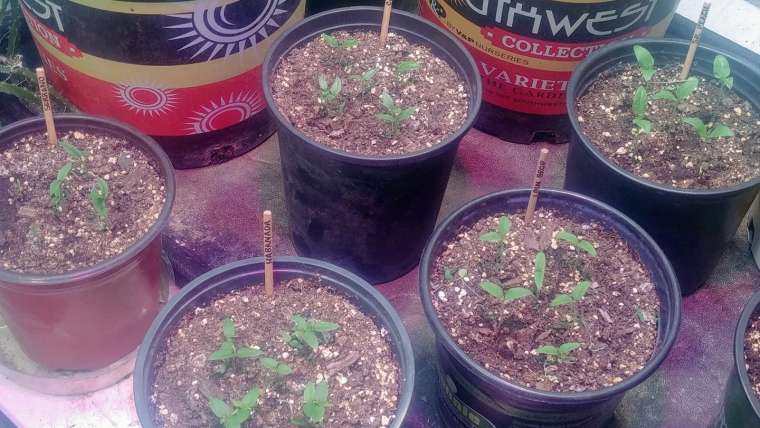
Goji berries, also known as wolfberries, are renowned for their health benefits and vibrant red fruits. These small, nutrient-packed berries have gained popularity in recent years, and many gardeners are looking to cultivate them in their own backyards.
One of the best ways to improve the health and productivity of goji plants is through companion planting. Companion planting is the practice of growing different types of plants together in a way that benefits both the plants and the gardener.
This guide will explore the reasons why companion planting is beneficial for goji berries, the best companion plants for goji, plants to avoid, and useful tips for growing goji alongside other plants.
Why You Should Consider Companion Planting for Goji
Companion planting offers a variety of benefits that can enhance the growth and productivity of your goji plants. Whether you’re an experienced gardener or a beginner, understanding the advantages of companion planting will help you make informed decisions for your garden.
- Improved Soil Health Companion plants can improve soil health by fixing nitrogen, increasing soil nutrients, and reducing the need for synthetic fertilizers. For instance, legumes like beans and peas help fix nitrogen in the soil, which is crucial for the growth of many plants, including goji berries.
- Pest Control Certain plants can naturally deter pests that may otherwise target your goji plants. For example, plants like garlic and marigolds can repel harmful insects, such as aphids and beetles, which are common pests for goji plants. By planting pest-repelling companions near goji, you can reduce the need for chemical pesticides.
- Enhanced Pollination Many goji plants rely on pollination to produce fruit, and companion plants can attract pollinators, such as bees, butterflies, and other beneficial insects. Growing flowering plants that attract pollinators can increase the yield and health of your goji plants.
- Shade and Wind Protection Goji berries thrive in full sun, but they can also benefit from some protection from extreme weather conditions. Certain companion plants, like taller varieties of sunflowers or trellised vines, can provide shade and wind protection, creating a more favorable microclimate for goji plants.
- Maximized Space Utilization Companion planting allows gardeners to grow multiple crops in a small space, helping to maximize the use of their garden. Goji berries are often grown on vertical structures, which allows you to plant other crops underneath or nearby without overcrowding the garden space.
Best Companion Plants for Goji
There are many plants that make excellent companions for goji berries. The following plants are beneficial due to their ability to complement goji’s growth needs, protect it from pests, or improve soil health.
1. Garlic
Garlic is an excellent companion for goji because it helps to deter pests like aphids and spider mites. Garlic’s strong aroma acts as a natural pest repellent. It also helps to improve soil health by adding sulfur, which is beneficial for plant growth. Planting garlic near your goji berries can help protect them from these common pests while enhancing the soil’s overall fertility.
2. Marigolds
Marigolds are often regarded as a gardener’s best friend due to their ability to repel a variety of pests, including nematodes, aphids, and whiteflies. These bright, cheerful flowers attract beneficial insects like ladybugs and predatory beetles, which further help to keep harmful pests at bay. Marigolds also add color and beauty to your garden, making them a great visual addition near your goji plants.
3. Beans and Peas
Leguminous plants, such as beans and peas, are ideal companions for goji berries because they are nitrogen-fixing plants. Nitrogen is an essential nutrient for the growth of plants, and legumes can improve the nitrogen content in the soil. This helps goji berries thrive and produce abundant fruits. Additionally, these plants have shallow root systems that won’t compete with the goji’s deeper roots, allowing for a harmonious growing environment.
4. Nasturtiums
Nasturtiums are another great companion plant for goji. They act as a natural pest repellent, particularly for aphids, whiteflies, and squash bugs. Their vibrant flowers also attract pollinators, helping to increase fruit production for your goji plants. Nasturtiums are also edible, with peppery-tasting leaves and flowers that can be used in salads, making them a functional and aesthetic addition to your garden.
5. Comfrey
Comfrey is a powerful companion plant that benefits goji berries in several ways. It has deep roots that mine nutrients from the soil and bring them up to the surface, making them accessible to shallow-rooted plants like goji. Comfrey’s large leaves can also be used as mulch around your goji plants to retain moisture and suppress weeds. Additionally, when the leaves break down, they release nutrients like potassium, phosphorus, and calcium, which promote healthy plant growth.
6. Borage
Borage is an herb that attracts bees and other pollinators, which are essential for the successful pollination of goji flowers. Borage also improves soil health by adding nutrients like potassium and calcium. Its deep roots can help break up compacted soil, providing better drainage and airflow to the roots of goji plants. Additionally, borage’s large leaves provide some shade to the goji plants during the hottest part of the day, which can help prevent dehydration.
7. Yarrow
Yarrow is a great companion plant for goji because it attracts beneficial insects like ladybugs, which prey on aphids and other harmful pests. Yarrow is also known for improving soil health and supporting root growth. This hardy perennial can thrive in a variety of conditions, and its presence in the garden can enhance the overall ecosystem, benefiting goji and other plants.
Plants to Avoid Planting Near Goji
While many plants work well with goji berries, some can create challenges for their growth or invite pests that could damage them. Here are a few plants to avoid when planting near goji berries.
1. Nightshades (Tomatoes, Peppers, Eggplants)
Nightshade plants, such as tomatoes, peppers, and eggplants, should be kept away from goji berries. These plants are susceptible to similar pests and diseases, such as aphids, whiteflies, and blight. Planting goji berries near nightshades can increase the risk of pest infestations and fungal diseases spreading between plants.
2. Cabbage Family (Cabbage, Broccoli, Kale)
Members of the cabbage family, such as cabbage, broccoli, and kale, may also pose problems when planted near goji. These plants attract pests like cabbage moths, which can also affect other garden crops, including goji. Additionally, these plants require a lot of nutrients, which can compete with your goji plants for soil resources.
3. Fennel
Fennel is known to be an allelopathic plant, meaning it releases chemicals that can inhibit the growth of other plants nearby. It can stunt the growth of your goji plants by suppressing their ability to take up water and nutrients from the soil. Therefore, it’s best to avoid planting fennel near goji.
Tips for Growing Companion Plants with Goji

To maximize the benefits of companion planting with goji, here are a few tips to ensure healthy growth for both your goji plants and their companions:
- Space Plants Properly: Make sure to plant your goji berries and companion plants with adequate space in between. Goji plants can grow quite large, so allow enough room for their branches to spread and receive full sunlight.
- Use Vertical Gardening: Goji plants thrive when grown vertically, which allows you to grow companion plants underneath or nearby without crowding. Consider using trellises or other vertical structures to support the growth of goji while leaving space for companion plants.
- Rotate Plants: To maintain soil health and prevent the buildup of pests and diseases, rotate your companion plants each season. This practice helps break pest cycles and allows the soil to replenish.
- Mulch Around Goji: Use mulch around your goji plants to retain moisture and keep the roots cool. Mulch also helps suppress weeds and enrich the soil as it decomposes.
- Monitor for Pests: While companion plants can deter pests, it’s important to regularly check your goji plants for any signs of infestation. Keep an eye out for aphids, spider mites, and other pests that may still find their way to your goji berries.
Conclusion
Companion planting is a natural and effective way to enhance the health and productivity of your goji berries. By choosing the right plants to grow alongside your goji, you can improve soil health, protect against pests, attract pollinators, and make the most of your garden space.
Sign up to get our FREE weekly emails
Gardening guides, tips, & videos delivered right to your inbox!