
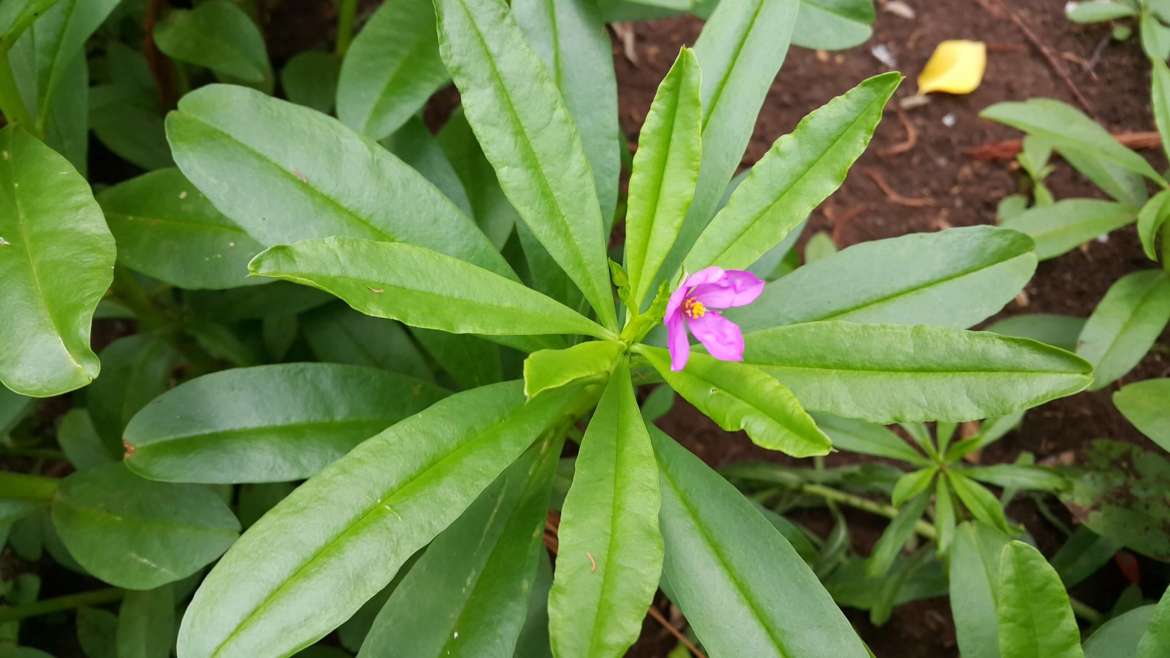
Ginseng. It’s a bit of a legend in the plant world—part mystique, part powerhouse. If you’ve never tried it, picture a root that’s been revered for centuries as an energy booster, stress buster, and overall wellness wizard. It’s earthy, slightly bitter, and packs a punch when it comes to medicinal benefits. Seriously, people have sworn by it from ancient times, and there’s good reason for that.
Ginseng thrives in cool, shaded areas and takes its sweet time growing—around 4 to 6 years before it’s ready to harvest. But if you’ve got the patience (and a little space), it’s totally worth it. Growing it isn’t for the faint of heart, though. It prefers the ground to be just right—neither too wet nor too dry—and needs a little extra care during those early years. In return, you’ll get a plant that gives back in spades when it comes to health benefits, from boosting your energy to supporting brain function.
And let’s not forget the plant itself. It might not be a showstopper in the looks department, but its delicate, fan-shaped leaves give it a subtle charm. If you’re into the natural remedy scene, the roots are where the magic happens, and trust me, they’re worth the wait.
How to Grow Ginseng

Growing ginseng is a process that requires patience and attention to detail, as ginseng is a slow-growing plant that thrives in specific conditions.
Below is a comprehensive guide to help you plant, grow, and harvest ginseng:
Understanding Ginseng
- Type: Ginseng (Panax quinquefolius) is a perennial plant native to North America.
- Growing Zones: It typically grows in USDA hardiness zones 3 to 7.
- Preferred Conditions: Grows best in well-drained, loamy soil with a pH of 5.5 to 6.0, and under a canopy of hardwood trees, providing 70-90% shade.
Planting Ginseng
- Site Selection:
- Choose a shaded area with rich, well-drained soil.
- The site should mimic natural forest conditions, preferably under hardwood trees like sugar maple, beech, or oak.
- Preparing the Soil:
- Test soil pH and amend it if necessary to maintain the ideal range.
- Remove any competing vegetation.
- Work in organic matter, like leaf mold or compost, to improve soil structure.
- Planting Seeds:
- Ginseng seeds are usually planted in the fall (September to November).
- Scatter seeds on the surface and cover them with 1-2 inches of soil or mulch.
- Planting Roots:
- If using roots, plant them in the spring or fall, placing each root horizontally 1-2 inches below the soil surface with the bud pointing upward.
Growing Ginseng
- Watering:
- Ginseng requires consistent moisture but avoid waterlogging.
- Use drip irrigation or a soaker hose if necessary.
- Mulching:
- Apply a layer of mulch (like leaf litter) to help retain moisture, regulate temperature, and suppress weeds.
- Weeding:
- Keep the area around ginseng free from competing plants.
- Pest and Disease Control:
- Ginseng can be prone to fungal diseases. Ensure good air circulation and avoid overwatering.
- Use organic fungicides if necessary and inspect plants regularly for signs of disease.
Harvesting Ginseng
- When to Harvest:
- Ginseng should be harvested after 5-10 years for the best root quality.
- Harvest in the fall when the plant’s leaves turn yellow and begin to die back.
- How to Harvest:
- Carefully dig around the root with a garden fork or shovel, avoiding damage.
- Gently lift the root from the soil, shaking off excess dirt.
- Processing the Roots:
- Wash roots thoroughly but gently to avoid breaking them.
- Air-dry the roots in a well-ventilated, shaded area.
- Drying can take several weeks, depending on root size.
Storage and Selling
- Storage:
- Once fully dried, store ginseng roots in a cool, dry place in an airtight container.
- Selling:
- Ginseng is often sold to herbalists, pharmaceutical companies, or specialty markets.
- The age and size of the root typically determine its market value.
Legal Considerations
- Ginseng is a protected species in some areas, so check local regulations before planting or harvesting.
- You may need a permit to harvest wild ginseng, and there may be specific guidelines on when and how much you can harvest.
Ginseng Growing Zone
Ginseng is a herb that grows best in cool, temperate climates. The ideal growing zones for ginseng in the United States are USDA Hardiness Zones 3 through 7.
These zones typically include parts of the northeastern and north-central U.S., such as the Appalachian Mountains, the Great Lakes region, and parts of the Midwest. States like Wisconsin, New York, Pennsylvania, and West Virginia are well-known for ginseng cultivation.
Growing Ginseng FAQ
Ginseng is a slow-growing perennial plant known for its medicinal properties. There are several types, including American ginseng (Panax quinquefolius) and Asian ginseng (Panax ginseng), each valued for different therapeutic benefits.
Ginseng grows best in cool, temperate climates with rich, well-drained soil. It prefers shaded areas, such as forest floors, where it can receive filtered sunlight. In the U.S., it is often cultivated in the Appalachian region.
Ginseng takes several years to mature. Typically, it takes 5-7 years to grow from seed to harvestable root, though some growers wait up to 10 years for optimal quality.
To grow ginseng from seed, plant the seeds in the fall, about half an inch deep, in well-prepared, shaded soil. It’s crucial to stratify the seeds (expose them to cold and moist conditions) before planting to ensure germination.
While ginseng can technically be grown indoors, it requires specific conditions that are challenging to replicate, such as temperature variation, humidity, and the right type of shade. Growing ginseng is generally more successful outdoors in its natural environment.
Ginseng is typically harvested in the fall after the plants have matured for at least 5-7 years. The roots are dug up carefully to avoid damage, as intact roots are more valuable.
Ginseng can be grown alongside other shade-loving plants, but it’s important to choose companions that won’t compete too aggressively for nutrients or water. Some growers plant ginseng under trees like sugar maple or black walnut, which provide the necessary shade.
Sign up to get our FREE weekly emails
Gardening guides, tips, & videos delivered right to your inbox!


