

Tarragon. A bit of an unsung hero in the herb world. It’s got this subtle, anise-like flavor that can totally transform a dish without screaming for attention. If you’ve never tried it, think of it as a lighter, more refined cousin of licorice, but without the “you either love it or hate it” vibe. It’s kind of like the perfect secret ingredient that makes everything taste just a little bit better.
It’s also one of those herbs that loves to stretch its legs, so it grows like a champ in the garden, especially in full sun. Tarragon flowers in the summer, but let’s be honest, the real treasure is the leaves. Those fresh, green beauties pack all the flavor you’ll need to elevate sauces, salads, or any dish with a French twist. Plus, it’s got a bit of a medicinal side, too—some people swear by it for digestion.
The best part? It’s hardy, and it’ll keep coming back year after year. So, if you’re looking to add a little something special to your garden, tarragon’s got your back. Just remember: it can get a little wild if you don’t keep it in check. Trim it back, and it’ll reward you with lush, flavorful leaves all season long.
How to Grow Tarragon
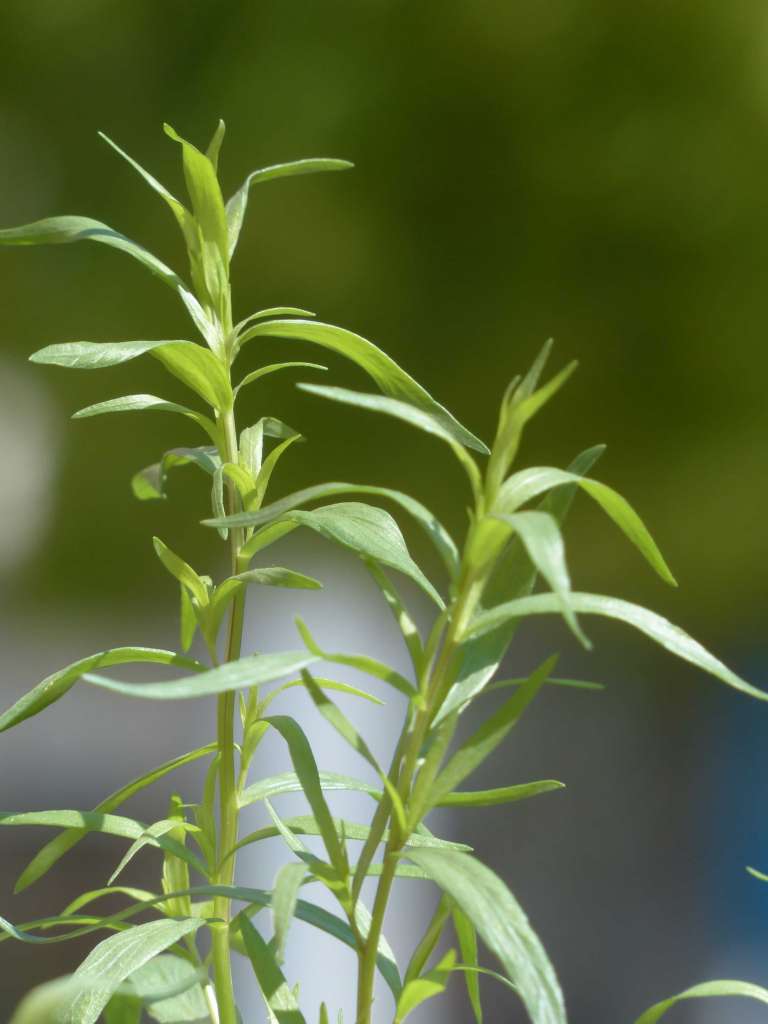
Growing Tarragon is very beneficial. It is not only a flavorful herb but also has potential health benefits. It contains antioxidants, may aid digestion, and has been used in traditional medicine for various purposes.
Planting Tarragon
- Choose the Right Variety:
- French Tarragon is the most popular for culinary use due to its superior flavor.
- Russian Tarragon is less flavorful but easier to grow.
- Site Selection:
- Tarragon prefers full sun but can tolerate partial shade.
- The soil should be well-drained, sandy, and slightly acidic with a pH of 6.5 to 7.5.
- Planting:
- Propagate by Cuttings or Root Division: French Tarragon does not produce viable seeds, so it’s typically propagated by cuttings or division.
- Spacing: Space plants about 18 to 24 inches apart.
- Planting Time: Plant in the spring after the last frost when the soil has warmed up.
- Watering:
- Water regularly, but allow the soil to dry out between waterings. Overwatering can lead to root rot.
- Mulching:
- Apply mulch to help retain moisture and control weeds.
Growing Tarragon
- Fertilization:
- Tarragon is not a heavy feeder. You can apply a balanced, all-purpose fertilizer in the spring.
- Pruning:
- Regularly pinch back the stems to encourage bushy growth and prevent flowering, which can diminish the flavor.
- Pest and Disease Management:
- Tarragon is relatively pest-free. However, keep an eye out for aphids or spider mites. You can remove them by spraying with water or using insecticidal soap.
- Winter Care:
- In colder climates, mulch heavily around the plants in late fall to protect them from harsh winter temperatures.
Harvesting Tarragon
- When to Harvest:
- Begin harvesting when the plants are about 6 to 8 inches tall.
- The best flavor is in the young, tender leaves. Harvest in the morning when the essential oils are most concentrated.
- How to Harvest:
- Use sharp scissors or pruners to snip off the top 6 inches of the stems.
- Leave at least a third of the plant intact to ensure continued growth.
- Storing Tarragon:
- Fresh tarragon can be stored in the refrigerator wrapped in a damp paper towel or in a jar with the stems in water.
- For longer storage, tarragon can be dried or frozen. Dry by hanging in a cool, dark place or using a dehydrator. Alternatively, freeze the leaves in ice cube trays with water or olive oil.
Tarragon Growing Zone
Tarragon (Artemisia dracunculus) is a hardy perennial herb that thrives best in USDA hardiness zones 4 to 8.
These zones correspond to areas where the average annual minimum winter temperature ranges from -30°F to 20°F (-34°C to -6°C). Tarragon prefers well-drained soil and full sun to partial shade for optimal growth.
In zones 4 and 5, tarragon may die back to the ground in winter but will regrow in spring. In warmer zones, such as 8, tarragon can grow year-round, although it may need some protection from extreme heat during summer.
Growing Tarragon FAQ
Tarragon is a perennial herb known for its aromatic leaves, often used in culinary dishes for its unique flavor, particularly in French cuisine.
Tarragon thrives in full sun and well-drained soil. It prefers a sunny spot with at least 6 hours of sunlight daily and can be grown in the ground or containers.
French tarragon is typically propagated from cuttings or divisions, as it rarely produces seeds. Plant cuttings or divisions in spring after the last frost, spacing them about 18-24 inches apart.
You can start harvesting tarragon leaves once the plant reaches about 8 inches in height. Harvest leaves as needed, preferably in the morning for the best flavor.
Yes, tarragon can be grown indoors in a sunny spot, such as a south-facing window. Use a well-draining potting mix and ensure the pot has good drainage. Rotate the plant regularly to ensure even growth.
Sign up to get our FREE weekly emails
Gardening guides, tips, & videos delivered right to your inbox!


