
Medicinal plants to grow at home include aloe vera, lavender, and chamomile, which offer natural remedies for various health issues.
Growing medicinal plants at home offers numerous benefits, including easy access to natural remedies for common ailments, such as colds, digestive issues, and stress.
It promotes self-sufficiency, allowing you to rely less on over-the-counter medications, which often contain synthetic chemicals. Homegrown medicinal plants are organic, ensuring you know exactly what goes into your remedies.
Additionally, cultivating these plants can be therapeutic, reducing stress and enhancing mental well-being through the nurturing process.
Best Medicinal Plants to Grow at Home
Growing medicinal plants at home offers a convenient and sustainable way to access natural remedies for common ailments.
Whether you’re interested in herbal teas, homemade balms, or simply the therapeutic benefits of gardening, here are the top 10 medicinal plants to grow at home.
1. Aloe Vera (Aloe barbadensis miller)
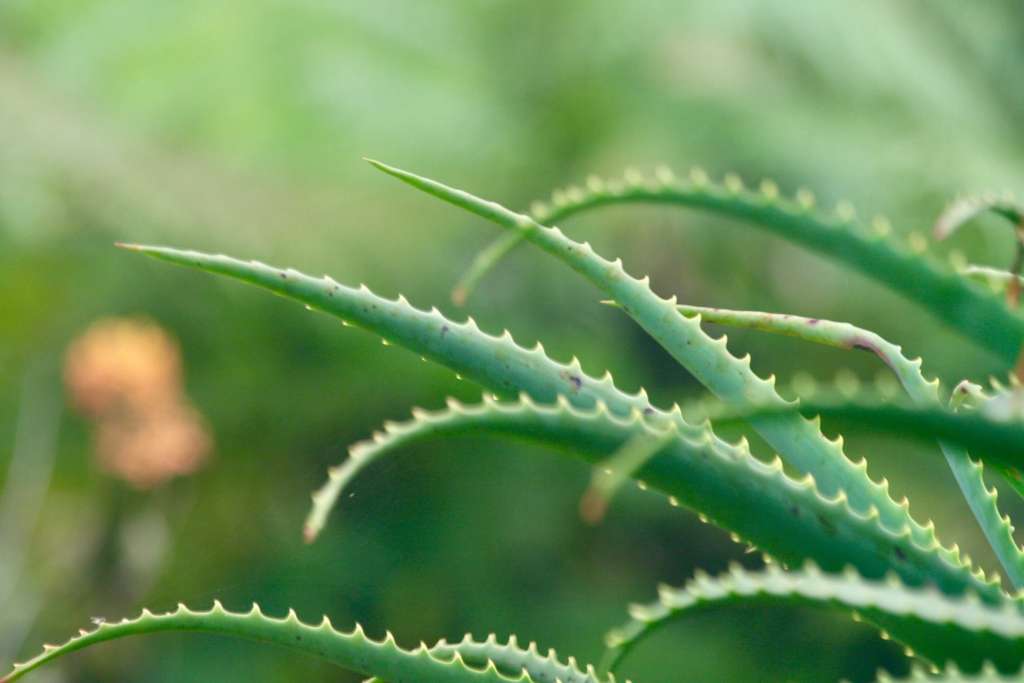
Aloe Vera is a must-have plant for its numerous health benefits. The gel inside its thick leaves is known for its soothing properties, making it perfect for treating minor burns, cuts, and skin irritations. Additionally, aloe vera juice can be used to support digestive health.
Growing Tips: Aloe Vera thrives in well-drained soil and prefers bright, indirect sunlight. Water it sparingly, allowing the soil to dry out between watering. Check out our step-by-step guide to growing Aloe Vera.
2. Peppermint (Mentha piperita)
Peppermint is well-known for its refreshing flavor and medicinal properties. The menthol in peppermint leaves is effective in relieving digestive issues, soothing headaches, and alleviating respiratory problems. It can also be used in teas or as a natural insect repellent.
Growing Tips: Peppermint prefers partial shade and moist, well-drained soil. It’s best to grow it in a container, as it can spread aggressively in the garden. Check out our step-by-step guide to growing Peppermint.
3. Lavender (Lavandula angustifolia)
Lavender is celebrated for its calming and relaxing effects. The fragrant flowers can be used to reduce stress, improve sleep quality, and alleviate headaches. Lavender essential oil is also popular for its antiseptic and anti-inflammatory properties.
Growing Tips: Lavender needs full sun and well-drained soil. It’s drought-tolerant once established, making it a low-maintenance choice for your garden. Check out our step-by-step guide to growing Lavender.
4. Echinacea (Echinacea purpurea)
Echinacea, also known as coneflower, is widely used to boost the immune system and combat colds and flu. The roots, leaves, and flowers of this plant can be made into teas, tinctures, or capsules to support overall health.
Growing Tips: Echinacea thrives in full sun and well-drained soil. It’s a hardy plant that can withstand drought, making it suitable for various climates. Check out our step-by-step guide to growing Echinacea.
5. Chamomile (Matricaria chamomilla)
Chamomile is famous for its gentle, soothing effects, particularly in promoting relaxation and sleep. Chamomile tea is a popular remedy for insomnia, anxiety, and digestive issues. The flowers can also be used in homemade skincare products to soothe irritated skin.
Growing Tips: Chamomile prefers full sun but can tolerate light shade. It grows well in well-drained soil and requires regular watering. Check out our step-by-step guide to growing Chamomile.
6. Lemon Balm (Melissa officinalis)
Lemon balm is a fragrant herb known for its calming and mood-lifting properties. It’s often used to reduce stress, anxiety, and insomnia. Lemon balm tea can also help with digestive discomfort and cold sores.
Growing Tips: Lemon balm thrives in full sun to partial shade and prefers well-drained soil. It’s relatively easy to grow and can be propagated by dividing the roots. Check out our step-by-step guide to growing Lemon balm.
7. Calendula (Calendula officinalis)
Calendula, also known as pot marigold, is a vibrant flower with powerful healing properties. The petals are commonly used in creams and ointments to treat skin irritations, wounds, and insect bites. Calendula tea is also beneficial for soothing sore throats and stomach ulcers.
Growing Tips: Calendula prefers full sun and moderately fertile, well-drained soil. It’s a hardy plant that can tolerate light frost. Check out our step-by-step guide to growing Calendula.
8. Rosemary (Rosmarinus officinalis)
Rosemary is a versatile herb that’s not only a culinary staple but also offers numerous medicinal benefits. It’s known to improve memory, boost mood, and relieve muscle pain. Rosemary oil can be used for hair care and in aromatherapy.
Growing Tips: Rosemary requires full sun and well-drained soil. It’s drought-tolerant and thrives in warm climates but can be grown indoors during colder months. Check out our step-by-step guide to growing Rosemary.
9. Thyme (Thymus vulgaris)
Thyme is a powerful herb with antibacterial, antiviral, and antifungal properties. It’s commonly used to treat respiratory issues, sore throats, and digestive problems. Thyme tea or steam inhalation can help relieve cold symptoms.
Growing Tips: Thyme thrives in full sun and well-drained soil. It’s a low-maintenance plant that doesn’t require frequent watering. Check out our step-by-step guide to growing Thyme.
10. Sage (Salvia officinalis)
Sage is an herb revered for its medicinal and culinary uses. It’s known to support oral health, improve digestion, and alleviate symptoms of menopause. Sage tea can also be used as a gargle for sore throats and mouth infections.
Growing Tips: Sage prefers full sun and well-drained soil. It’s a hardy plant that requires minimal care and is drought-resistant. Check out our step-by-step guide to growing Sage.
Conclusion
Growing these medicinal plants at home not only enhances your garden’s beauty but also provides a natural way to support your health and well-being.
With minimal effort, you can grow a personal pharmacy right in your backyard, offering fresh and organic remedies for various common ailments.
Whether you have a small balcony or a sprawling garden, these plants are easy to grow and can be enjoyed year-round. Happy gardening!
Sign up to get our FREE weekly emails
Gardening guides, tips, & videos delivered right to your inbox!


