Marigolds are not only beautiful flowers that brighten up any garden, but they are also one of the most valuable companion plants for both vegetable and flower gardens. With their vibrant yellow, orange, and red hues, marigolds add a splash of color while simultaneously protecting neighboring plants from pests and improving soil health. Gardeners around the world have embraced marigolds…
Beets are a nutritious and versatile root vegetable that thrive in various garden settings. Whether you grow them for their earthy flavor, their vibrant greens, or their numerous health benefits, beets can be an excellent addition to your vegetable garden. However, like many crops, beets grow best when paired with certain companion plants that support their development, deter pests, and…
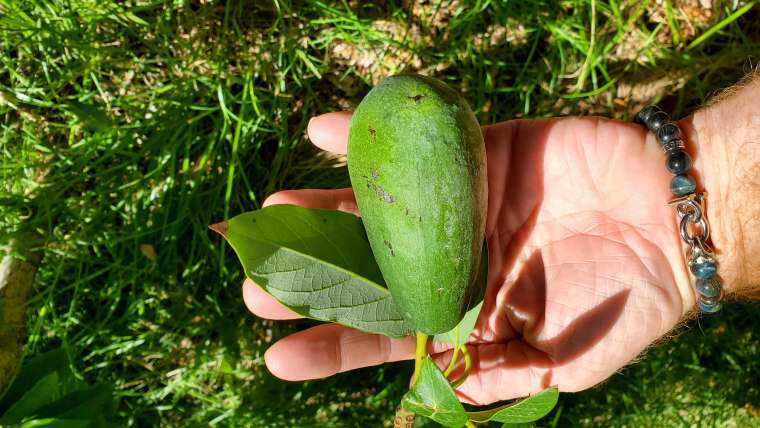
Avocado. Not just for toast and overpriced brunches—this tree is a straight-up legend. If you’ve never grown one, picture a lush, sprawling green machine that turns sunshine into creamy, nutrient-packed gold. It’s basically a money tree, but edible. Avocados take their sweet time to fruit—three to five years if grown from a grafted tree, and way longer if you start…
Avocado trees are beloved for their delicious fruit, creamy texture, and numerous health benefits. But like many fruit trees, they need a bit more care and attention than your average garden plant. One of the best ways to help your avocado tree thrive is through companion planting—an age-old gardening practice that involves growing different plants near each other to create…
Mango trees are cherished for their delicious, juicy fruit and their tropical appeal. However, growing mangoes isn’t as simple as planting a tree and waiting for the harvest. Mango trees thrive best when their environment is optimized, and this is where companion planting comes into play. Companion planting is a gardening technique that involves growing different plants together to benefit…
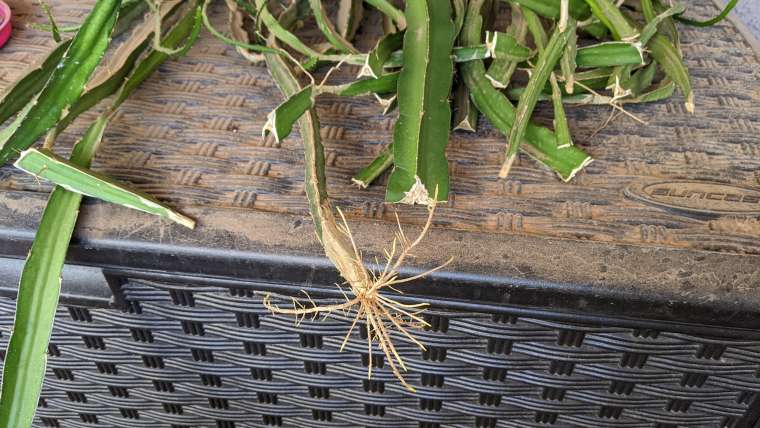
Self-pollinating dragon fruit offers the advantage of consistent fruit production with minimal effort, as it doesn’t rely on external pollinators for successful growth. Dragon fruit, also known as pitaya, is a fascinating tropical fruit known for its striking appearance and delicious taste. It’s gaining popularity in home gardens due to its low maintenance requirements and the fact that it can…
Dragon fruit, also known as pitaya, is an exotic cactus fruit that has gained immense popularity among gardeners and commercial growers alike. With its vibrant pink, red, or yellow skin and white or red-fleshed interior speckled with tiny black seeds, dragon fruit is not only visually stunning but also packed with nutrients. However, like many fruiting plants, dragon fruit benefits…
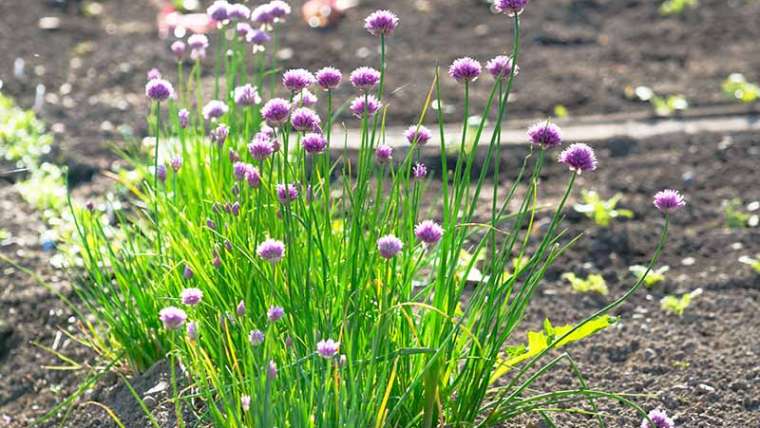
Chives are a favorite among gardeners, not only for their culinary uses but also for their numerous benefits in companion planting. These hardy perennials from the onion family are easy to grow, offering a mild onion-like flavor that enhances a variety of dishes. But their usefulness extends beyond the kitchen. When strategically placed in the garden, chives can help deter…
Rosemary is a beloved herb in gardens and kitchens around the world. Known for its aromatic fragrance, resilience, and versatility, rosemary is a must-have for culinary and medicinal purposes. But did you know that rosemary thrives even better when planted alongside the right companions? Companion planting is a gardening technique that strategically places plants together to enhance their growth, deter…
Does your dragon fruit plant have small brown spots, and you’re wondering if this is a cause for concern? These spots, often referred to as rust, can be alarming for plant owners, but understanding their nature and causes is the first step toward effective management. Like any other plant, Dragon fruit is susceptible to various diseases and disorders, one of…