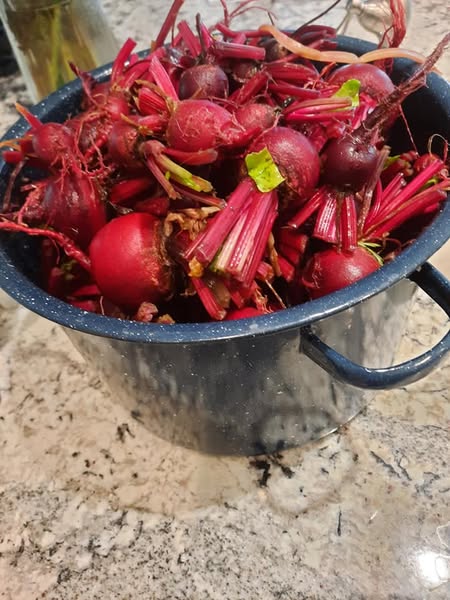
Beets are a nutritious and versatile root vegetable that thrive in various garden settings. Whether you grow them for their earthy flavor, their vibrant greens, or their numerous health benefits, beets can be an excellent addition to your vegetable garden.
However, like many crops, beets grow best when paired with certain companion plants that support their development, deter pests, and enhance soil quality.
We have prepared this guide to help you explore the benefits of companion planting for beets, the best and worst companion plants, and tips for successfully growing beets alongside their plant partners.
Why You Should Consider Companion Planting for Beets
Companion planting is an age-old gardening practice that strategically pairs plants to promote mutual benefits. When it comes to beets, companion planting can significantly enhance their growth, reduce pest problems, and improve soil health. Here are some key reasons why you should consider companion planting for your beets:
1. Pest Control
Beets can attract pests such as leaf miners, aphids, and flea beetles. Companion plants with strong scents or natural pest-repelling properties can help deter these unwanted insects and protect your beets without the need for chemical pesticides.
2. Improved Soil Health
Beets thrive in nutrient-rich soil. Some companion plants, like legumes, fix nitrogen in the soil, which benefits beet growth. Others help break up compacted soil, allowing beet roots to expand more easily.
3. Efficient Space Utilization
By planting beets with compatible crops, you can maximize your garden space. Some plants have shallow root systems, while beets grow deep, allowing for better resource allocation in a small area.
4. Enhanced Flavor and Growth
Certain plants can improve the flavor of beets or accelerate their growth by providing shade, reducing competition for nutrients, or adding beneficial minerals to the soil.
Best Companion Plants for Beets
Choosing the right companion plants for beets can lead to a healthier, more productive garden. Here are some of the best plants to grow alongside your beets:
1. Brassicas (Cabbage, Kale, Broccoli, Cauliflower)
Brassicas and beets work well together because they do not compete for nutrients. Beets can help break up the soil, making it easier for these shallow-rooted plants to absorb nutrients. Additionally, cabbage and kale can provide some shade to beets during hotter months, preventing them from bolting too soon.
2. Lettuce and Spinach
Leafy greens such as lettuce and spinach make excellent companions for beets. They have shallow roots that do not interfere with beet development, and their presence helps keep the soil cool and moist. Additionally, their quick growth cycle means they can be harvested before beets need extra space.
3. Onions and Garlic
Onions and garlic are natural pest repellents. Their strong aroma deters aphids, flea beetles, and other common beet pests. Planting them around beets can create a natural protective barrier, reducing the need for insecticides.
4. Bush Beans and Peas
Legumes such as bush beans and peas help enrich the soil by fixing nitrogen, an essential nutrient for beets. Since beets are light feeders, they benefit from the additional nitrogen, leading to healthier foliage and root development.
5. Radishes
Radishes and beets grow well together because they mature at different rates. Radishes grow quickly and help loosen the soil, making it easier for beets to establish deep roots.
6. Herbs (Mint, Thyme, Rosemary, Chervil)
Herbs like mint, thyme, rosemary, and chervil act as natural pest deterrents. Their strong scents repel many common beet pests, and they do not compete heavily for nutrients.
Plants to Avoid Planting Near Beets
While many plants can be beneficial to beets, some should be avoided due to competition for nutrients or negative interactions. Here are plants you should keep away from your beets:
1. Pole Beans
Unlike bush beans, pole beans can be problematic for beets. They release compounds that can stunt beet growth, and their climbing nature may overshadow beets, limiting their access to sunlight.
2. Field Mustard and Other Heavy Feeders
Field mustard and similar plants can deplete soil nutrients quickly, leaving beets struggling to get the essential minerals they need for root development.
3. Carrots
Carrots and beets both have deep root systems, leading to competition for space and nutrients. Additionally, their similar growing habits can make them prone to the same pests, leading to increased infestations.
4. Corn
Corn is a heavy feeder that consumes a lot of nutrients from the soil, leaving little for beets. Additionally, its tall stature can shade beets, reducing their access to sunlight.
5. Charlock and Wild Mustard
These plants can attract pests that are harmful to beets and may also compete for soil nutrients, leading to stunted growth.
Tips for Growing Companion Plants with Beets
To make the most of companion planting for beets, follow these best practices:
1. Plan Your Garden Layout Wisely
Beets do best when planted in rows or clusters with compatible plants nearby. Avoid overcrowding to ensure each plant has enough space to grow without competition.
2. Rotate Crops Each Season
Crop rotation helps prevent soil depletion and reduces the risk of disease buildup. Avoid planting beets in the same spot each year, especially after other root crops like carrots or potatoes.
3. Use Mulch for Soil Health
Applying mulch around beets and their companion plants helps retain moisture, regulate soil temperature, and suppress weeds. This is especially beneficial when growing leafy greens alongside beets.
4. Interplant with Fast-Growing Crops
Pairing beets with quick-growing crops like radishes or spinach allows you to maximize your garden space. These faster-growing plants can be harvested early, giving beets more room as they mature.
5. Monitor for Pests Regularly
Even with companion planting, some pests may still appear. Regularly inspect your beets and their neighboring plants for signs of infestation, and take action quickly if needed.
6. Use Natural Fertilizers
While beets are light feeders, they still benefit from occasional feeding. Use compost, aged manure, or organic fertilizers to keep the soil nutrient-rich for all companion plants.
7. Ensure Proper Watering
Beets prefer consistent moisture but not waterlogged soil. Water deeply and evenly to encourage healthy root development without creating conditions for rot or disease.
Conclusion
Companion planting is a great strategy for improving beet production while promoting a healthy, balanced garden ecosystem. By choosing the right plants to grow alongside your beets, you can enhance soil quality, deter pests, and create a thriving vegetable garden. Avoid incompatible plants that may hinder beet growth, and follow best practices to ensure a successful harvest.
Sign up to get our FREE weekly emails
Gardening guides, tips, & videos delivered right to your inbox!