
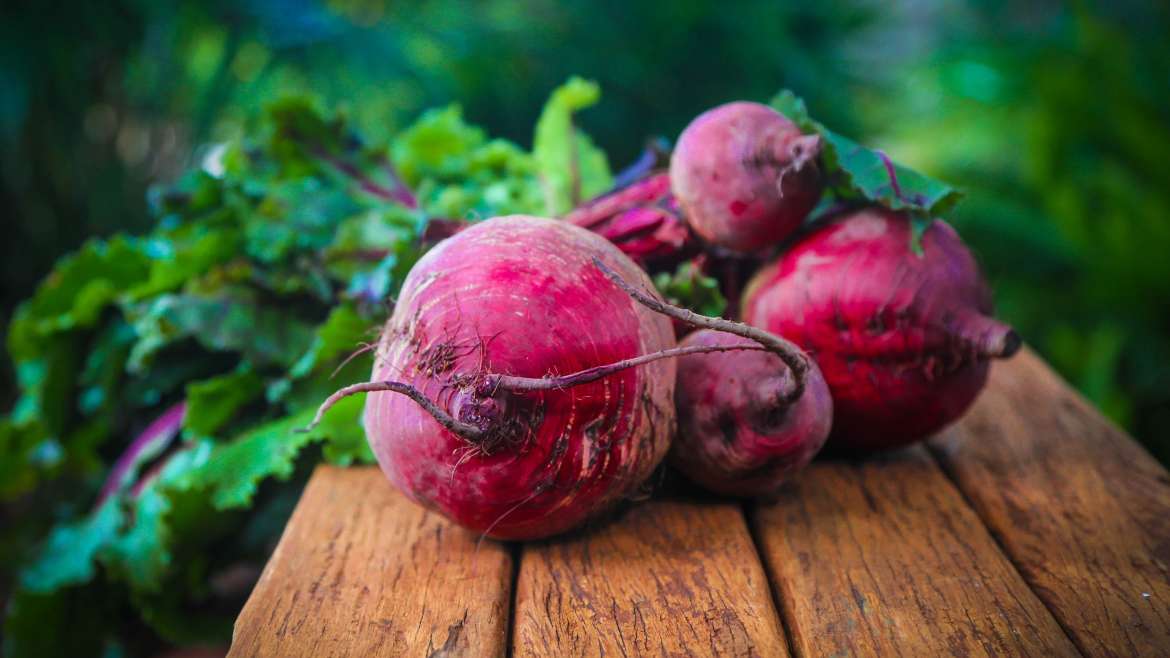
Beets. Yeah, they’re a little underappreciated, but trust me, they’re a powerhouse. If you’ve never given them a shot, think of a root vegetable that’s got this earthy sweetness, like if a carrot had a more bold and daring cousin. Roasted, boiled, or even raw, beets bring this deep, rich flavor that’ll surprise you every time. Plus, they’re packed with nutrients like fiber, folate, and antioxidants—basically, they’re the superfood you didn’t know you needed.
They grow best in cool weather, making them perfect for those early spring or fall garden spots. And, bonus, they’re pretty easy to grow. Just make sure they’ve got some loose, well-drained soil, and they’ll do their thing. But, don’t expect them to thrive in a tiny pot—these babies need some space to expand their roots.
As for the plant itself? Absolutely stunning. The beet greens are dark and lush, giving off a vibrant, almost tropical vibe. They’re not just pretty to look at either; you can eat the greens too. Seriously, why toss them when you can sauté them up for a delicious side dish?
How to Grow Beets

Growing beets is a rewarding gardening experience. Below is a guide to help you plant, grow, and harvest beets successfully.
Planting Beets
- Timing: Beets are a cool-season crop. Plant them in early spring, as soon as the soil is workable, and in late summer or early fall for a fall harvest.
- Soil Preparation: Beets prefer well-drained, loamy soil with a pH between 6.0 and 7.5. Amend the soil with compost to improve fertility and drainage.
- Sowing Seeds: Sow beet seeds directly in the garden about 1/2 inch deep and 1 to 2 inches apart. Rows should be 12 to 18 inches apart. Thin seedlings to 3 to 4 inches apart when they are about 2 inches tall.
- Spacing: Thinned plants can be transplanted, but beets generally prefer to grow undisturbed.
Growing Beets
- Watering: Keep the soil consistently moist but not waterlogged. Beets need about 1 inch of water per week. Mulch around the plants to retain moisture and suppress weeds.
- Sunlight: Beets thrive in full sun but can tolerate partial shade, especially in warmer climates.
- Fertilizing: Beets are light feeders. A balanced fertilizer (10-10-10) can be applied at planting, but too much nitrogen can cause excessive leaf growth at the expense of root development.
- Thinning: If beets are too crowded, they won’t grow properly. Ensure proper spacing after thinning to allow for good root development.
Harvesting Beets
- Timing: Beets are usually ready to harvest in 50-70 days. You can harvest when they are 1 to 3 inches in diameter, depending on your preference.
- Harvesting Method: Gently pull the beets from the soil when they are the desired size. If the soil is compact, you may need to use a garden fork to loosen it around the roots.
- Using Beet Greens: The greens are also edible and can be harvested when they are young and tender. Cut them just above the root and use them like spinach or chard.
Storing Beets
- Short-term Storage: Fresh beets can be stored in the refrigerator for up to two weeks. Keep them in a perforated plastic bag in the crisper drawer.
- Long-term Storage: For longer storage, cut off the tops, leaving about an inch of the stem. Store the roots in a cool, moist place (32-40°F with 95% humidity), such as a root cellar or a refrigerator in perforated plastic bags.
Common Issues
- Pests: Beets are generally pest-resistant but watch for leaf miners, aphids, and flea beetles. Regularly check the leaves and treat with insecticidal soap if necessary.
- Diseases: Beets can suffer from fungal diseases like Cercospora leaf spot and downy mildew. Ensure good air circulation and avoid overhead watering to minimize these issues.
Beets Growing Zone
Beets are a cool-season crop that grows best in USDA hardiness zones 2-10. They thrive in temperatures ranging from 50°F to 75°F (10°C to 24°C).
You can plant them in early spring or fall, depending on your region. In cooler climates (zones 2-5), beets are typically planted in early spring and can be harvested in the summer. In warmer climates (zones 6-10), they can be grown in the fall or winter when the temperatures are cooler.
Growing Beets FAQ
Beets thrive in cool weather, so the best time to plant them is in early spring, about 2-4 weeks before the last frost date. You can also plant beets in late summer for a fall harvest.
Plant beet seeds about 1/2 inch deep and 1-2 inches apart. Thin the seedlings to 3-4 inches apart once they are a few inches tall to give the roots space to grow.
Beets are typically ready to harvest 7-8 weeks after planting. The roots should be 1-3 inches in diameter. You can gently push aside some soil to check the size of the roots before pulling them up.
Start by choosing a container that’s at least 12 inches deep. Sow beet seeds directly into the soil, spacing them about 2 inches apart, and cover them with a light layer of soil. Water the seeds regularly to keep the soil consistently moist but not waterlogged. Harvest the beets when they are about the size of a golf ball, typically in 50-70 days, for the best flavor.
On average, a single beet plant typically produces one beetroot. However, in some cases, a plant might produce more than one beet, particularly if the conditions are optimal and the variety of beet is known for such traits.
Start by cutting off the top part of a beet, leaving about an inch of the root attached. Place the beet top in a shallow dish of water with the cut side facing down. Position the dish in a sunny spot, and change the water every few days to keep it fresh. After a week or so, you should see new leaves and roots beginning to sprout.
Start by selecting a deep container, at least 6 inches deep. Sow beet seeds about an inch apart, covering them lightly with soil. Beets require plenty of sunlight or use a grow light if natural light is limited. Keep the soil consistently moist but not waterlogged. With proper care, you can harvest your indoor beets in about 7-8 weeks.
Yes, beet greens are edible and nutritious. They can be harvested when the leaves are young and tender, and used in salads, sautéed, or added to soups.
Sign up to get our FREE weekly emails
Gardening guides, tips, & videos delivered right to your inbox!


