

Dragon fruit, also known as pitaya, is an exotic cactus fruit that has gained immense popularity among gardeners and commercial growers alike.
With its vibrant pink, red, or yellow skin and white or red-fleshed interior speckled with tiny black seeds, dragon fruit is not only visually stunning but also packed with nutrients. However, like many fruiting plants, dragon fruit benefits from thoughtful companion planting.
Companion planting is an age-old gardening technique that pairs plants strategically to improve growth, enhance soil health, deter pests, and increase yield. In the case of dragon fruit, choosing the right companions can boost its resilience, improve soil conditions, and optimize space in your garden.
In this article, we will explore why companion planting is beneficial for dragon fruit, the best plants to grow alongside it, plants to avoid, and essential tips for successful companion planting.
Why You Should Consider Companion Planting for Dragon Fruit
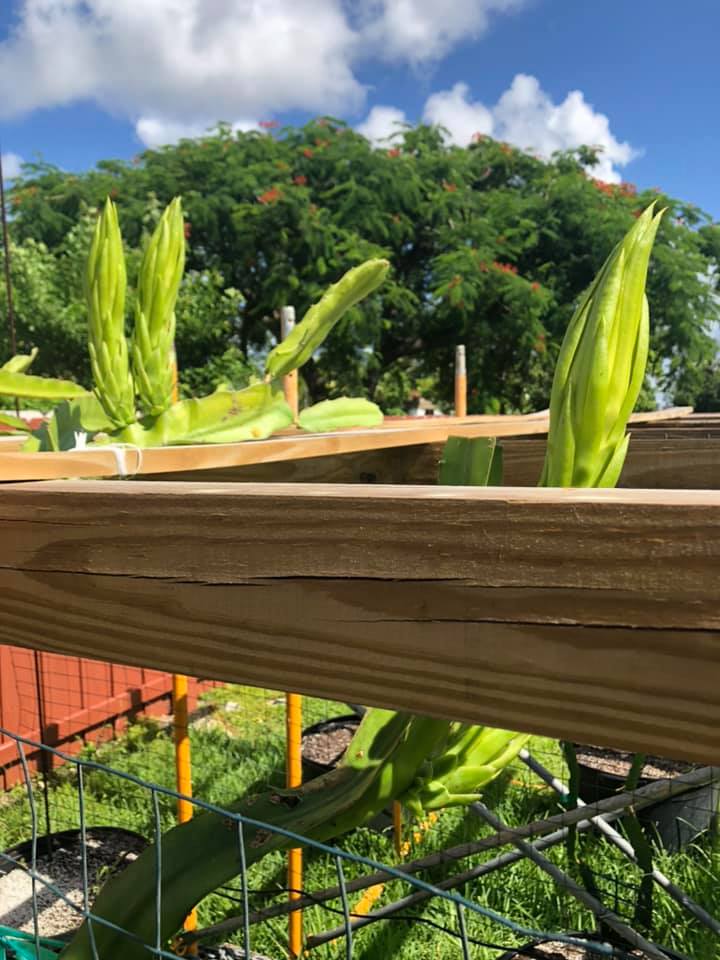
Companion planting provides a multitude of benefits, especially for a climbing cactus like dragon fruit. Here are some key reasons why you should consider growing complementary plants alongside your dragon fruit:
1. Pest and Disease Control
Dragon fruit plants are relatively pest-resistant, but they are still susceptible to aphids, mealybugs, and fungal infections. Certain companion plants can help repel these pests naturally and reduce the need for chemical pesticides.
2. Soil Improvement
Dragon fruit prefers well-draining, nutrient-rich soil. Certain companion plants can enhance soil fertility by fixing nitrogen, improving organic matter, and preventing soil erosion.
3. Microclimate Regulation
Companion plants can help maintain a stable microclimate by providing shade, reducing excessive moisture loss, and offering wind protection. This is especially beneficial for dragon fruit, which thrives in warm, semi-arid climates but can suffer from extreme temperature fluctuations.
4. Pollination Boost
Dragon fruit flowers bloom at night and rely on nocturnal pollinators like bats and moths. Having flowering plants nearby can attract beneficial pollinators, increasing the chances of successful fruit production.
5. Efficient Space Utilization
Since dragon fruit is a vining cactus, it can be trained on trellises or poles. This allows you to plant low-growing companions beneath it, maximizing garden space and productivity.
Best Companion Plants for Dragon Fruit

When selecting companion plants for dragon fruit, consider species that complement its growth habits and environmental needs. Below are some of the best options:
1. Legumes (Beans, Peas, and Clovers)
Legumes are excellent companions because they help fix nitrogen in the soil, enriching it for the dragon fruit plant. They also act as living mulch, keeping the soil moist and preventing weeds from taking over.
2. Herbs (Basil, Mint, and Lemongrass)
- Basil repels pests like aphids and mosquitoes while enhancing the aromatic environment.
- Mint is known to deter ants and aphids but should be planted in containers to prevent it from spreading aggressively.
- Lemongrass provides natural protection against fungal diseases and pests while adding a fresh citrus aroma to your garden.
3. Marigolds
Marigolds are well-known for their ability to repel nematodes, aphids, and other garden pests. Their vibrant flowers also attract beneficial pollinators, which can aid in dragon fruit pollination.
4. Nasturtiums
Nasturtiums are a great companion because they act as a sacrificial plant, drawing pests away from dragon fruit. They are also edible and add a splash of color to your garden.
5. Aloe Vera
Aloe vera shares similar growing conditions with dragon fruit, requiring well-draining soil and minimal watering. It provides medicinal benefits and can be harvested for home remedies.
6. Chives and Garlic
Both chives and garlic help deter harmful insects while also providing edible leaves and bulbs. They contain natural antifungal properties that may help prevent root rot in dragon fruit plants.
7. Passion Fruit Vine
Since both dragon fruit and passion fruit are vining plants, they can be grown together on a trellis, saving space while complementing each other’s growth patterns.
Plants to Avoid Planting Near Dragon Fruit
Not all plants make good companions for dragon fruit. Some can compete for nutrients, attract harmful pests, or create unfavorable growing conditions. Here are plants you should avoid:
1. Heavy Feeders (Corn, Sunflowers, and Brassicas)
Corn and sunflowers require significant nutrients from the soil, which may lead to competition with dragon fruit. Also, brassicas (such as broccoli, cabbage, and cauliflower) may deplete essential nutrients needed for dragon fruit growth.
2. Deep-Rooted Plants (Large Trees and Shrubs)
Deep-rooted plants like large trees (e.g., oak, pine, and eucalyptus) can compete for water and nutrients, making it harder for dragon fruit to thrive.
3. Nightshade Family (Tomatoes, Peppers, and Eggplants)
Nightshade plants can attract common pests such as whiteflies and aphids, which could spread to dragon fruit. Additionally, they can introduce soil-borne diseases that may be detrimental to dragon fruit growth.
4. Fungal-Prone Plants (Squash and Melons)
Cucurbits, including squash and melons, can introduce fungal diseases such as powdery mildew, which can spread to dragon fruit.
Tips for Growing Companion Plants with Dragon Fruit

To successfully implement companion planting in your dragon fruit garden, consider the following tips:
1. Ensure Proper Spacing
Dragon fruit vines require ample space to climb, so choose companions that won’t compete for vertical space. Plant smaller herbs and flowers at the base to avoid interference.
2. Use Mulching for Moisture Retention
Applying organic mulch around the base of dragon fruit and its companion plants helps retain soil moisture, suppress weeds, and improve soil fertility.
3. Consider Companion Plants’ Water Needs
Dragon fruit thrives in well-draining soil with moderate watering. Choose companions that share similar water requirements to prevent overwatering or underwatering issues.
4. Rotate Companion Plants Seasonally
Changing companion plants seasonally can help improve soil health and reduce pest build-up. For example, growing legumes in one season can replenish nitrogen levels for the next crop.
5. Monitor for Pests and Diseases Regularly
Even with companion planting, it’s essential to keep an eye on your plants for signs of pests and diseases. Regular monitoring ensures early detection and control of any potential issues.
Final Thought
Companion planting is an effective way to boost the growth, health, and yield of dragon fruit while promoting biodiversity in your garden.
By carefully selecting beneficial companion plants like legumes, herbs, marigolds, and passion fruit vines, you can enhance soil fertility, deter pests, and create a more resilient garden ecosystem.
At the same time, avoiding incompatible plants such as heavy feeders, deep-rooted trees, and nightshades will prevent competition and disease spread.
Sign up to get our FREE weekly emails
Gardening guides, tips, & videos delivered right to your inbox!


