

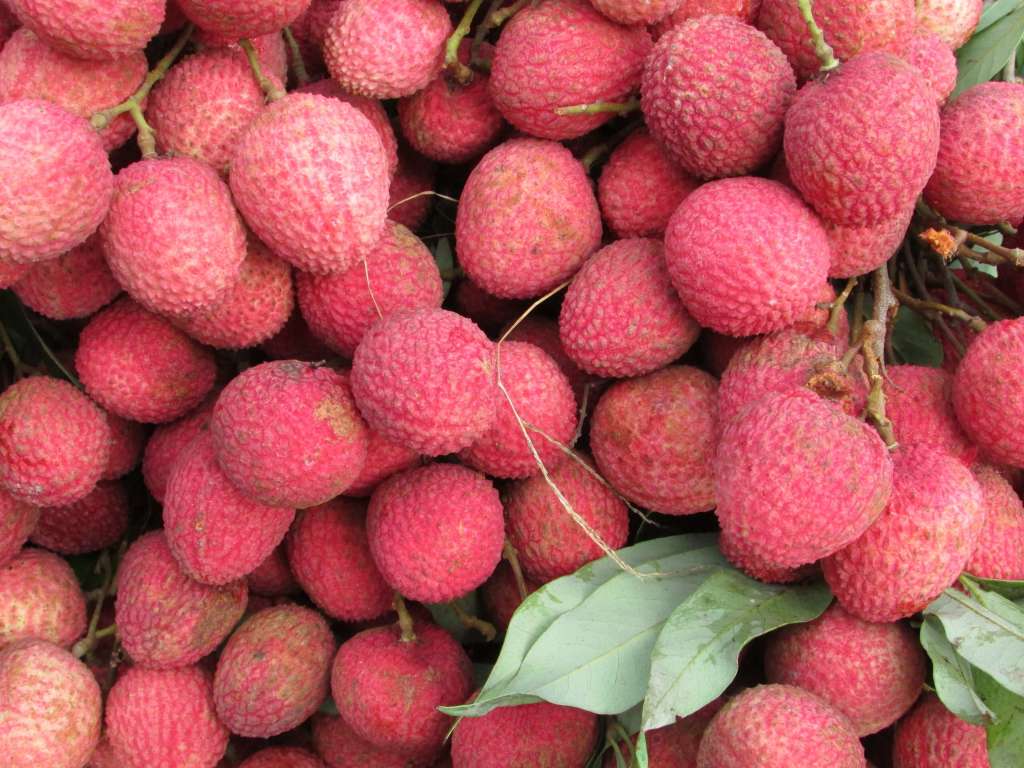
Lychee. Strange name, ridiculously good fruit. It’s a tropical fruit native to Southeast Asia, cherished for its sweet and aromatic flavor. If you’ve never had one, think of a grape that went on vacation to a tropical island and came back with a sun-kissed tan and a burst of exotic sweetness.
It’s got that perfect balance of juicy and fragrant, with just enough floral undertone to make you wonder if it’s some kind of secret luxury fruit.
Lychees ripen in summer, typically between June and August, and if you’re lucky enough to have your own tree, you’re in for a treat. They’re not exactly low-maintenance though—lychees don’t like to be rushed. You’ll need patience and some warm weather to get them going.
And while you might be tempted to squeeze them into a small pot, resist the urge. These trees love space, so let them stretch out and claim the ground.
The tree itself? A beauty, with dark, shiny leaves that almost look like they’re ready to shine in the spotlight. And, if you’re feeling extra fancy, the leaves are said to have medicinal benefits, so you could probably brew yourself a nice, calming tea while you wait for the fruit to ripen.
Lychee often enjoyed fresh, lychees can also be found in desserts, beverages, and savory dishes, adding a unique taste and texture. Rich in vitamin C, antioxidants, and dietary fiber, lychee not only delights the palate but also provides numerous health benefits, making it a popular choice among fruit enthusiasts worldwide.
How to Grow Lychee Trees
Growing lychees requires a combination of suitable climate, proper planting techniques, and ongoing care. Below is a step-by-step guide to help you successfully grow lychee trees.
Planting Lychee
- Choose the Right Location:
- Climate: Lychee trees thrive in tropical and subtropical climates. They need warm temperatures and high humidity.
- Sunlight: Select a spot that receives full sun.
- Soil: Well-drained, slightly acidic soil is ideal. A pH level between 5.0 and 5.5 is perfect for lychee.
- Planting Time:
- Plant lychee trees in the spring or early summer when the weather is warm.
- Planting Process:
- Seed: If planting from seed, soak the seeds in water for a day, then plant them in a pot filled with rich, well-draining soil. Keep the soil moist and warm.
- Sapling: If using a sapling, dig a hole twice as wide and as deep as the root ball. Place the sapling in the hole and fill it with soil, ensuring the root ball is level with the ground. Water thoroughly.
Growing Lychees
- Watering:
- Lychee trees need regular watering, especially during dry periods. Keep the soil consistently moist but not waterlogged.
- Fertilizing:
- Fertilize the tree with a balanced fertilizer every 8-10 weeks during the growing season. Organic compost or manure can also be beneficial.
- Pruning:
- Prune young trees to encourage a strong structure. Remove dead or diseased branches and thin out overcrowded areas to allow light and air to penetrate the canopy.
- Mulching:
- Apply a layer of mulch around the base of the tree to retain moisture and regulate soil temperature. Keep the mulch a few inches away from the trunk to prevent rot.
- Protection:
- Protect young trees from strong winds and frost. Use a windbreak or cover the tree during unexpected cold snaps.
Harvesting Lychee
- Maturity:
- Lychee fruits typically mature 3-4 months after flowering. They are ready to harvest when the skin turns red or pink, depending on the variety.
- Picking:
- Harvest lychee by hand, gently twisting or cutting the fruit from the branch. Be careful not to damage the branches or the remaining fruit.
- Storage:
- Freshly picked lychees can be stored in the refrigerator for up to two weeks. For longer storage, lychees can be frozen or dried.
- Usage:
- Enjoy fresh lychees as a snack, or use them in desserts, salads, and beverages.
Lychee Growing Zone
Lychee trees are best suited for USDA hardiness zones 10-13. They can grow in zone 9b with some protection from frost, but they are not cold-hardy and will suffer damage or die if exposed to freezing temperatures for extended periods.
Tips for Success
- Pest Control: Monitor for common pests like aphids, mites, and fruit flies. Use organic or chemical controls as necessary.
- Disease Management: Watch for signs of fungal diseases such as root rot or anthracnose. Ensure proper air circulation and avoid overhead watering.
- Pollination: Lychee trees are usually self-pollinating, but having multiple trees can increase fruit yield through cross-pollination.
Growing Lychees FAQ
Water young lychee trees regularly to keep the soil moist but not waterlogged. Mature trees need deep watering once a week during dry periods. Reduce watering during the dormant winter period.
Prune lychee trees to remove dead, diseased, or damaged branches. Shape the tree to allow good air circulation and light penetration. Prune after harvesting the fruit.
Lychee trees grown from seeds can take 8-10 years to bear fruit. Trees grown from grafting or air layering may take 3-5 years to produce fruit.
When growing lychees, common pests include aphids, mites, and fruit flies. Diseases such as anthracnose and root rot can affect lychee trees.
Lychees are ready to harvest when the fruit skin turns red or pink. Use pruning shears to cut the fruit clusters, leaving a short stem attached to the fruit.
Yes, lychees can be grown in containers. Choose a large pot with good drainage and use a well-draining potting mix. Container-grown lychees may need more frequent watering and fertilizing.
Sign up to get our FREE weekly emails
Gardening guides, tips, & videos delivered right to your inbox!


