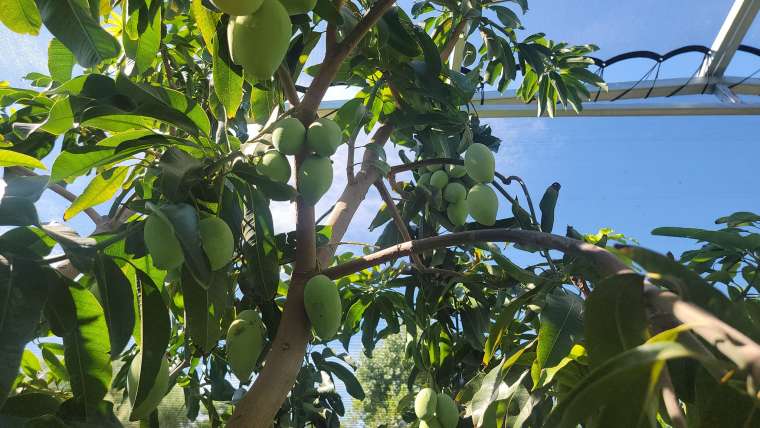
The star apple, also referred to as Caimito and Milk fruit, scientifically known as Chrysophyllum cainito, is a tropical fruit celebrated for its unique appearance and delightful flavor.

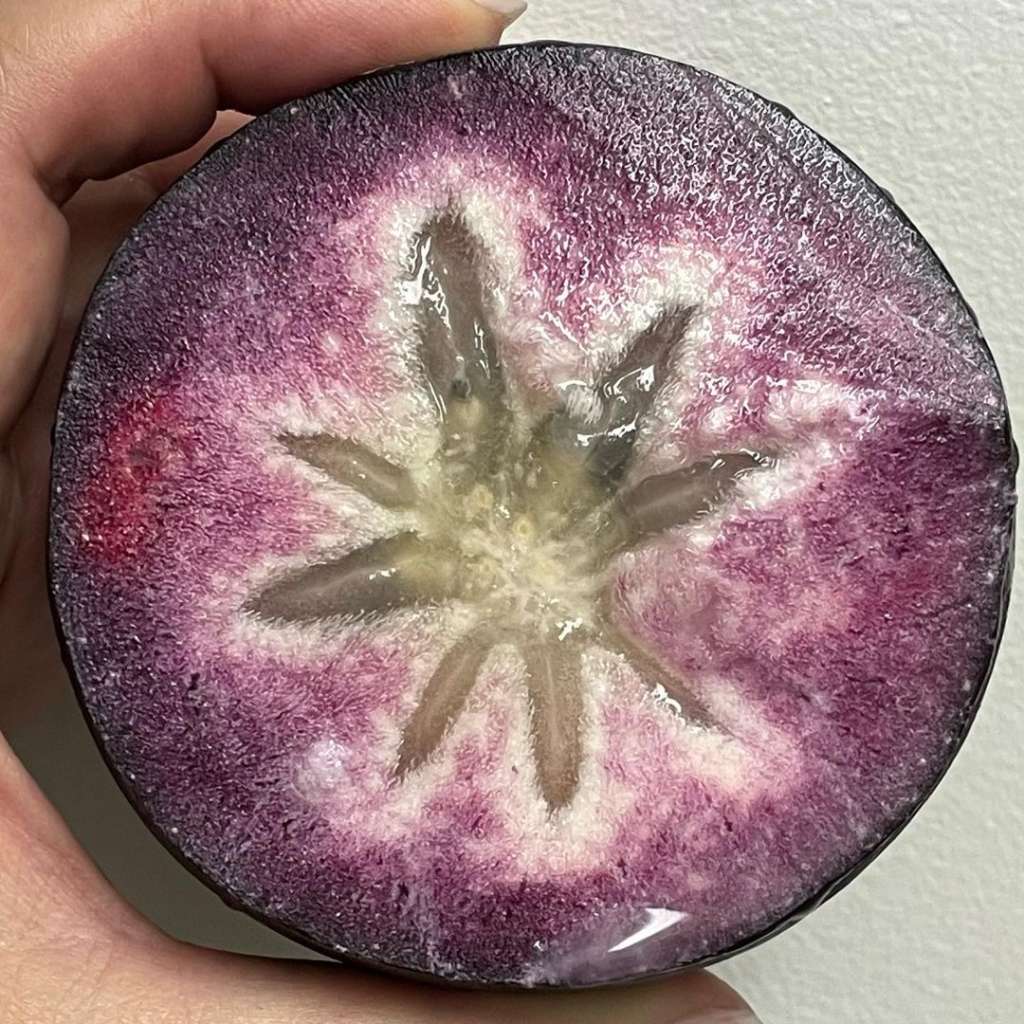
It boasts a smooth, glossy skin that ranges from green to deep purple, encasing a creamy, translucent pulp that often reveals a star-shaped pattern when cut across its center.
The fruit’s texture is juicy and custard-like, with a sweet, mildly tangy taste that is both refreshing and satisfying.
Star apples are rich in vitamins and antioxidants, making them a nutritious addition to the diet. They are typically enjoyed fresh, scooped out with a spoon, or incorporated into desserts and beverages, providing a tropical twist to various culinary creations.
How to Grow Star Apple Trees
Growing star apples, also known as Caimito, is a relatively easy thing to do. Star apple trees are tropical trees known for their delicious, star-shaped fruit. They thrive in warm climates and require specific care to ensure healthy growth and fruit production.
Planting Star Apple Trees
- Choose the Right Location:
- Star apple trees require full sunlight to grow well. Choose a location that receives at least 6-8 hours of sunlight per day.
- Ensure the soil is well-draining. Star apples do not tolerate waterlogged conditions.
- Soil Preparation:
- Prepare the soil by mixing organic compost to enhance fertility and drainage.
- The ideal pH for star apple trees is between 5.5 and 7.5.
- Planting the Tree:
- Dig a hole twice the size of the root ball of the tree.
- Place the tree in the hole, ensuring the root ball is level with the soil surface.
- Fill the hole with soil, gently firming it around the base of the tree.
- Water the tree thoroughly after planting.
Growing Star Apple Trees
- Watering:
- Water young trees regularly to keep the soil moist but not waterlogged.
- Once established, star apple trees are relatively drought-tolerant but will produce better fruit with consistent watering.
- Fertilizing:
- Fertilize the tree every 2-3 months with a balanced fertilizer (e.g., 10-10-10 NPK).
- Supplement with organic compost or well-rotted manure to provide additional nutrients.
- Mulching:
- Apply a layer of mulch around the base of the tree to retain soil moisture and suppress weeds.
- Keep the mulch a few inches away from the trunk to prevent rot.
Caring for Star Apple Trees
- Pruning:
- Prune the tree to remove dead or diseased branches and to maintain its shape.
- Pruning helps improve air circulation and sunlight penetration, promoting healthy growth.
- Pest and Disease Management:
- Monitor the tree regularly for signs of pests such as aphids, scale insects, and fruit flies.
- Use insecticidal soap or neem oil to control infestations.
- Common diseases include leaf spot and root rot. Ensure good air circulation and avoid overwatering to prevent these issues.
- Harvesting:
- Star apples are typically ready to harvest 7-8 months after flowering.
- The fruit is ripe when it yields slightly to pressure and has a glossy appearance.
- Use a gentle twisting motion to harvest the fruit to avoid damaging the tree.
Star Apple Growing Zone
- The star apple thrives in tropical and subtropical climates. It is typically grown in USDA hardiness zones 10 and higher.
Growing Star Apples FAQ
Star apple trees typically take 5-10 years to bear fruit when grown from seed. Grafted trees or those propagated from cuttings can produce fruit in 3-5 years.
Star apples are ready to harvest when they are fully colored (purple or green, depending on the variety) and slightly soft to the touch. Gently twist or cut the fruit from the tree. Avoid pulling as it can damage the fruit and the tree.
Yes, star apple trees can be grown in large containers, but they will require more care. Ensure the container has good drainage, use high-quality potting soil, and provide regular fertilization and watering.
Star apples are not only delicious but also nutritious, being rich in vitamins and antioxidants. They can be a beautiful addition to your garden and provide shade. Growing your own star apples ensures you have fresh, organic fruit.
Start by selecting a ripe star apple. Cut the fruit open and remove the seeds, then clean them thoroughly to remove any pulp. Allow the seeds to dry for a day or two. Fill a seed tray with a well-draining potting mix, and plant the seeds about 1 inch deep. Keep the soil consistently moist but not waterlogged, and place the tray in a warm, sunny location. Germination can take several weeks.
The star apple tree typically enjoys a lifespan of around 20 to 30 years under optimal growing conditions, which include warm temperatures, well-drained soil, and regular watering.
Conclusion
By providing the right conditions and care, star apple trees can thrive and produce an abundance of delicious fruit. Regular monitoring and maintenance will help ensure the health and productivity of your tree.
Sign up to get our FREE weekly emails
Gardening guides, tips, & videos delivered right to your inbox!