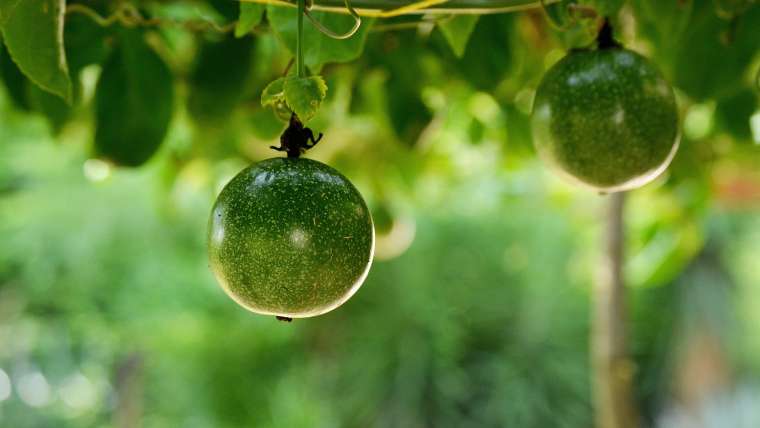
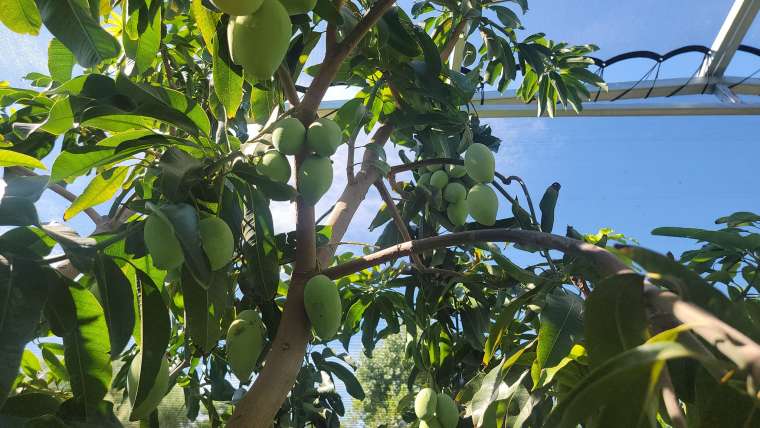
Jackfruit. It’s got a weird name, but trust me, it’s worth getting to know. Imagine if a mango and a pineapple had a love child that got the size of a watermelon. Sweet, tropical, and with a hint of tanginess, jackfruit is a fruit that’s as unique as it is delicious. When it’s ripe, it’s a flavor explosion, with a texture that’s oddly meaty, making it a favorite for plant-based meals. Definitely a great meat substitute in vegan and vegetarian cuisines.
These giant fruits grow on massive trees, so if you’re considering planting one, make sure you’ve got space. They need a little patience, though—jackfruit trees take a few years to start bearing fruit, but once they do, they can keep giving for decades. Bonus points for the fact that jackfruit trees are pretty hardy—they’re tough in the heat and can survive in drought conditions once established.
And don’t forget about the tree itself. It’s known as the largest tree-borne fruit in the world. It’s a stunner with big, shiny leaves and a thick canopy that provides plenty of shade. If you’re into gardening, this tree’s the kind of “cool factor” that’ll have your neighbors asking what in the world you’re growing. Plus, the wood from the tree has some cool uses too—talk about multifunctional!
Rich in vitamins, minerals, and antioxidants, jackfruit is not only a culinary delight but also a nutritious addition to any diet. Whether eaten fresh, dried, or cooked, this remarkable fruit offers a plethora of culinary possibilities and health benefits.
How to Grow Jackfruit Trees

Growing jackfruit trees can be a rewarding endeavor as they can produce large, delicious fruits. Below is a step-by-step guide to help you grow jackfruit trees successfully.
Planting Jackfruit
1. Selecting Seeds or Seedlings:
- Seeds: Use fresh seeds from a ripe jackfruit. Seeds should be planted within a few days after extraction for the best germination rate.
- Seedlings: Purchase from a nursery to ensure better survival and growth.
2. Soil Preparation:
- Soil Type: Jackfruit prefers well-drained, sandy loam soil with a pH of 6.0-7.5.
- Location: Choose a sunny spot with enough space for the tree to grow (jackfruit trees can grow quite large).
3. Planting:
- Timing: Plant seeds or seedlings during the rainy season for optimal growth.
- Depth: Plant seeds about 1 inch deep. If using seedlings, dig a hole twice the size of the root ball and place the seedling at the same depth it was in the pot.
- Spacing: Ensure trees are spaced at least 30 feet apart to allow for growth and air circulation.
Growing Jackfruit
1. Watering:
- Frequency: Water regularly, especially during dry periods. Young trees require more frequent watering.
- Method: Use deep watering techniques to encourage strong root development.
2. Fertilizing:
- Type: Use a balanced fertilizer (e.g., 10-10-10 NPK) during the growing season.
- Frequency: Apply fertilizer every 6-8 weeks for young trees. Mature trees can be fertilized 3-4 times a year.
3. Pruning:
- Purpose: Prune to shape the tree, remove dead or diseased branches, and improve air circulation.
- Timing: Prune after the harvest season or during the dormant period.
4. Pest and Disease Control:
- Common Pests: Monitor for aphids, scale insects, and fruit borers. Use insecticidal soap or neem oil as needed.
- Diseases: Watch for fungal diseases like anthracnose. Ensure proper spacing and prune to maintain air circulation. Use fungicides if necessary.
Harvesting Jackfruit
1. Maturity:
- Signs: The fruit should emit a strong, sweet aroma and have a dull, hollow sound when tapped. The skin will change color, becoming more yellowish.
- Timing: Jackfruit typically takes 3-8 months to mature, depending on the variety.
2. Harvesting:
- Method: Use a sharp knife or pruning saw to cut the fruit from the tree, leaving a small stem attached. Be careful, as the fruit can be quite heavy.
- Handling: Wear gloves and use oil to handle the fruit, as it exudes a sticky latex.
3. Post-Harvest:
- Ripening: If the fruit is not fully ripe, allow it to ripen at room temperature.
- Storage: Once ripe, jackfruit can be stored in the refrigerator for up to a week. The flesh can also be frozen for longer storage.
Jackfruit Growing Zone
- USDA Hardiness Zones: Jackfruit grows best in USDA Hardiness Zones 10-13. This includes regions with minimal or no frost and mild winters, such as parts of southern Florida, southern Texas, and southern California.
Growing Jackfruit FAQ
Jackfruit trees need regular watering, especially during the dry season. Water deeply once or twice a week, ensuring the soil remains moist but not waterlogged. Young trees require more frequent watering.
Jackfruit can be propagated from seeds or by grafting. Seeds should be sown fresh, within a few days of extraction. Grafting onto seedling rootstock is preferred for maintaining desirable traits.
Jackfruit trees generally start bearing fruit within 3-4 years when grown from grafting. Trees grown from seeds may take 5-7 years to produce fruit.
While jackfruit trees can be grown in large containers, they may not reach their full potential. Ensure the container is spacious, has good drainage, and provide regular watering and fertilization. Container-grown trees may bear smaller fruits.
Sign up to get our FREE weekly emails
Gardening guides, tips, & videos delivered right to your inbox!