

Passion Fruit. Weirdly named, totally worth it. If you’ve never had one, picture the lovechild of a pineapple and a kiwi that somehow landed in the tropics and decided to stay. Sweet, tangy, and a little floral, passion fruit is one of those fruits that feels like a secret weapon for your taste buds.
They bloom in the spring, ripen in late summer to fall, and (here’s a pro tip) they don’t need much to get going. Toss one in the ground, and you’ll probably see fruit within a couple of years—although, like most things in life, patience pays off.
That said, don’t go trying to squeeze this bad boy into a tiny pot. Passion fruit vines are like the overachieving extroverts of the plant world—they need space to spread out and show off.
As for the vine? It’s a stunner. Lush, green, with flowers that look like they belong in a garden of paradise, and if you’re lucky, it’ll attract pollinators like bees and butterflies.
Oh, and the fruit itself? Inside, you’ll find those crunchy little seeds surrounded by a sweet, tangy pulp that’s just begging to be made into juice or eaten straight from the shell. So good, you might just forget about all the other fruits.
Passion fruit are also known as Passiflora edulis, they are tropical fruit known for their unique flavor and numerous health benefits. They have a tough outer rind and juicy, seed-filled center.
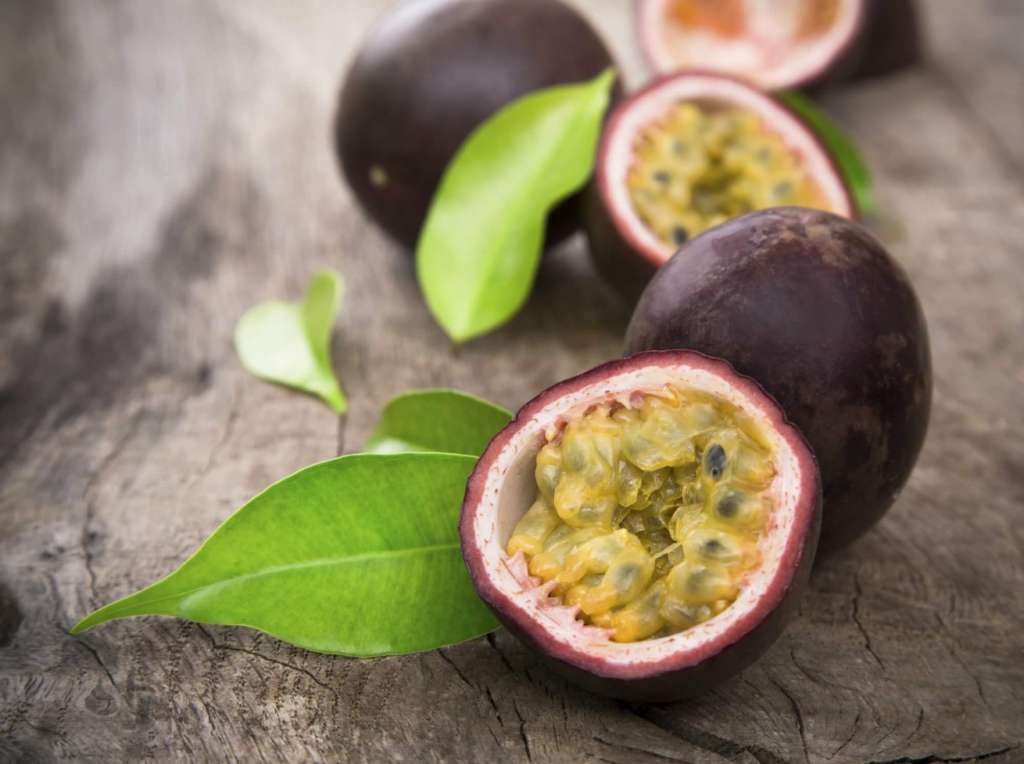
The fruit is often eaten fresh, used in beverages, desserts, and sauces, or processed into juice and jams. Passion fruit is rich in vitamins A and C, dietary fiber, and antioxidants, making it a nutritious addition to a balanced diet.
The taste is often described as a mix of sweet and tangy, making it a popular choice for enhancing various culinary creations.
How to Grow Passion Fruits

Growing passion fruit requires careful attention to planting, watering, pruning, and pest management. Below is a detailed guide to help you grow passion fruit successfully.
Planting Passion Fruit
- Choose the Right Location:
- Sunlight: Passion fruit plants thrive in full sun, needing at least 6-8 hours of direct sunlight daily.
- Soil: They prefer well-draining, fertile soil with a pH between 6.5 and 7.5. Amend the soil with compost if needed.
- Space: Ensure there is ample space for the vines to spread. Passion fruit vines can grow up to 15-20 feet long.
- Planting:
- Timing: Plant passion fruit in spring after the last frost when the soil has warmed up.
- Method:
- Seeds: Soak seeds in warm water for 24 hours before planting. Plant seeds 1/2 inch deep in pots with a good seed-starting mix. Keep the soil moist and warm until germination, which can take 2-4 weeks.
- Seedlings: Transplant seedlings when they are 8-10 inches tall. Dig a hole twice the size of the root ball and plant at the same depth the plant was in its container.
- Support:
- Install a trellis, fence, or arbor for the vines to climb. This not only supports the plant but also helps with air circulation, reducing the risk of disease.
Growing Passion Fruit
- Watering:
- Keep the soil consistently moist but not waterlogged. Water deeply once or twice a week, depending on the weather.
- Fertilizing:
- Use a balanced fertilizer (10-10-10) every 4-6 weeks during the growing season. Avoid high-nitrogen fertilizers, which can promote leaf growth over fruiting.
- Pruning:
- Prune in late winter or early spring to remove dead or overcrowded growth. Regular pruning encourages healthy growth and better fruit production.
- Mulching:
- Apply a 2-3 inch layer of mulch around the base of the plant to retain moisture and suppress weeds. Keep mulch away from the stem to prevent rot.
Caring for Passion Fruit
- Pests and Diseases:
- Watch for common pests like aphids, mealybugs, and caterpillars. Use insecticidal soap or neem oil as needed.
- Prevent fungal diseases by ensuring good air circulation and avoiding overhead watering.
- Pollination:
- Passion fruit flowers are typically pollinated by bees. In areas with few pollinators, hand pollination may be necessary. Use a small paintbrush to transfer pollen from the stamens to the pistils.
- Harvesting:
- Passion fruits are usually ready to harvest 5-7 months after planting. The fruit will turn from green to purple or yellow when ripe. Gently twist the fruit off the vine or wait for it to drop naturally.
- Winter Care:
- In colder climates, protect the plant from frost by covering it with frost cloths or bringing potted plants indoors. Mulching heavily around the base can also help insulate the roots.
Passion Fruit Growing Zone
Passion fruit (Passiflora edulis) is a tropical and subtropical vine that thrives in warm climates. It is sensitive to frost and prefers temperatures between 68°F and 82°F (20°C to 28°C). Here are the key growing zones for passion fruit:
USDA Hardiness Zones:
- Zone 9-13: Passion fruit grows best in USDA zones 9 through 13, which include parts of southern Florida, southern Texas, and southern California. These zones provide the warm temperatures and minimal frost needed for optimal growth.
Regions Suitable for Growing Passion Fruit:
- Tropical Regions: Parts of Central and South America, Southeast Asia, and parts of Africa.
- Subtropical Regions: Coastal regions in Australia, New Zealand, and Mediterranean climates.
In cooler areas, passion fruit can be grown in greenhouses or as a container plant that can be brought indoors during cold weather.
Growing Passion Fruit FAQ
Plant seeds in a seed tray filled with a good quality seed-raising mix. Sow seeds about 1/2 inch (1 cm) deep and keep the soil moist. Germination usually takes 10-20 days.
The best time to plant passion fruit vines is in the spring or early summer when the soil has warmed up. This allows the plant to establish itself before the cooler months.
Yes, passion fruit vines are climbers and need strong support to grow on. Provide a trellis, fence, or another sturdy structure for the vine to climb.
Passion fruit plants typically start producing fruit within 12-18 months after planting. The flowering season is usually in spring and summer, with fruit ripening 2-3 months after flowering.
Passion fruit flowers are usually pollinated by bees and other insects. If natural pollinators are scarce, you can hand-pollinate by transferring pollen from the anthers to the stigma using a small brush.
Passion fruit is ready to harvest when the fruit is fully colored and starts to wrinkle slightly. Simply pick the fruit from the vine. Overripe fruit will fall off the vine naturally.
Yes, passion fruit can be grown in large containers with adequate drainage. Use a high-quality potting mix and ensure the plant receives sufficient water and nutrients.
Prune passion fruit vines annually in late winter or early spring. Remove any dead or diseased wood, and thin out dense growth to improve air circulation. This encourages healthy growth and better fruit production.
Passion fruit is not typically grown indoors due to its vigorous growth and need for full sunlight. However, it can be grown in a greenhouse or sunroom with proper care and support structures.
Sign up to get our FREE weekly emails
Gardening guides, tips, & videos delivered right to your inbox!


