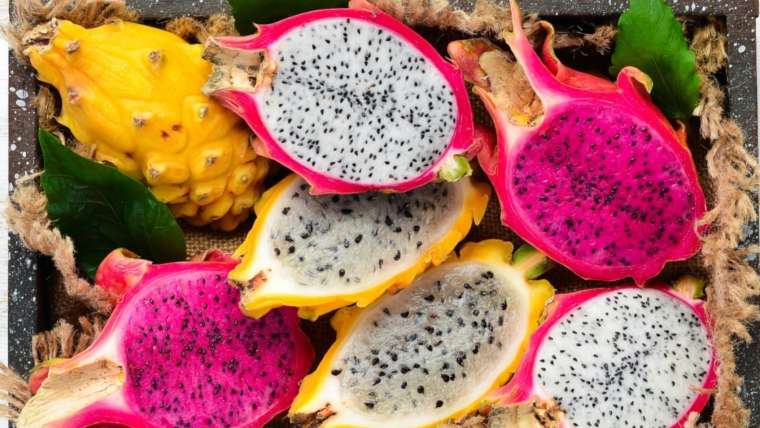
Dragon fruit is definitely a unique and exotic fruit known for its vibrant pink or yellow skin and speckled flesh. As part of the cactus family, this fruit grows on climbing cacti that require specific conditions to thrive.
One of the most important stages in the life of a dragon fruit plant is flowering, as it marks the beginning of the fruiting process. Some fellow gardeners find it a bit challenging to get their dragon fruit plants to flower, especially when growing them in non-native environments.
How to Get Dragon Fruit to Flower
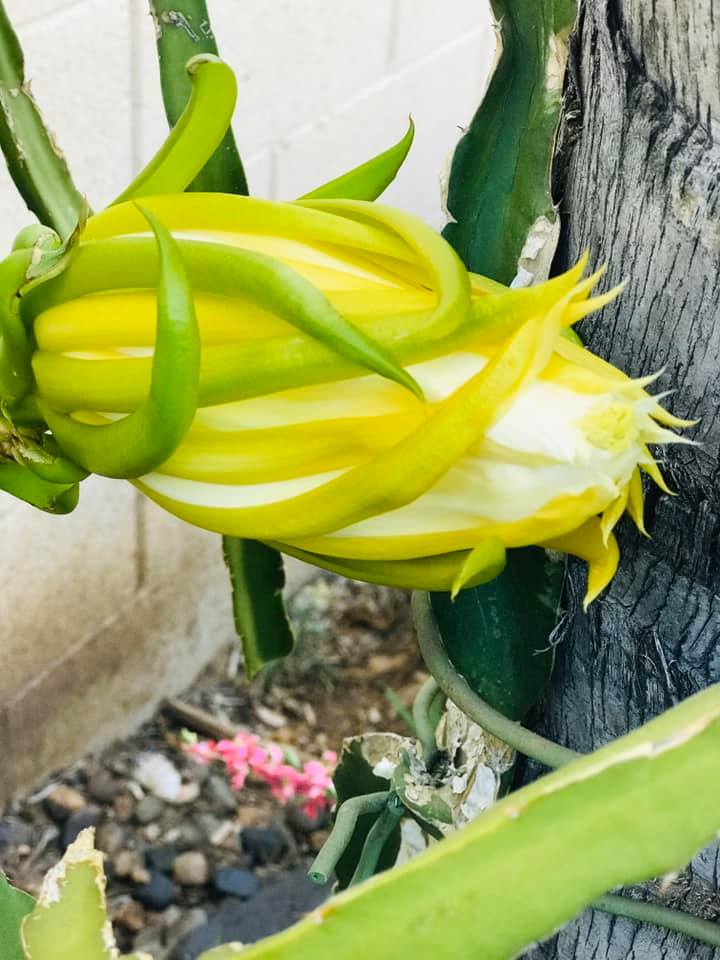
In this guide, we will explore various ways to encourage dragon fruit to flower, even earlier than expected. From optimizing environmental conditions to the right care techniques, this article will provide you with all the tools needed to encourage your dragon fruit plant to bloom.
1. Understanding Dragon Fruit’s Natural Habitat
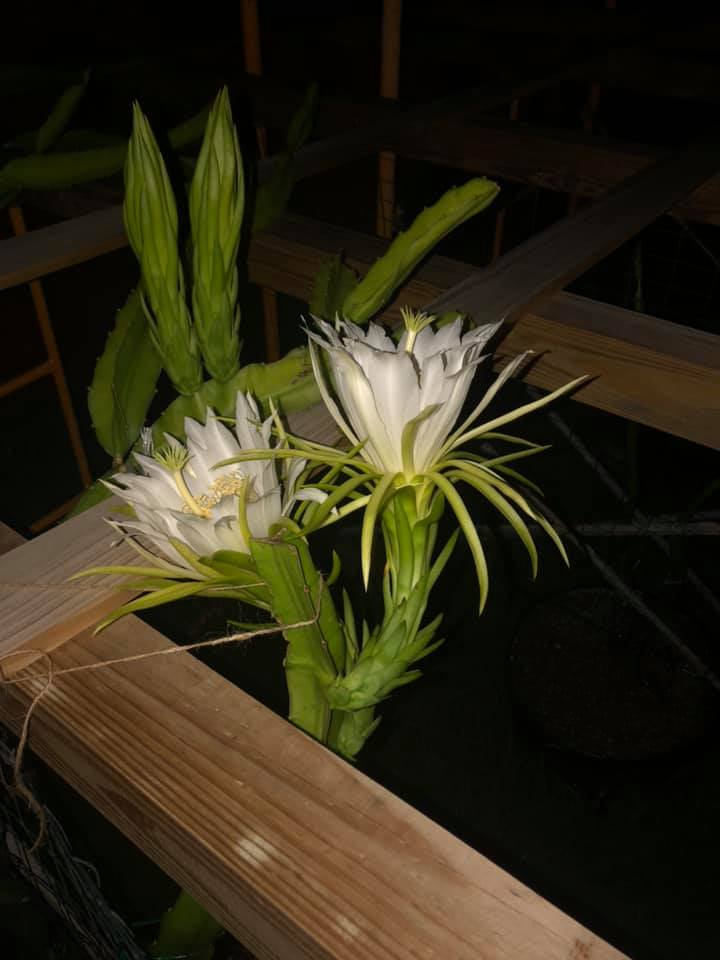
To encourage dragon fruit to flower, it’s essential to understand the plant’s natural environment. Dragon fruit is native to Central America, particularly Mexico, as well as parts of South America. It thrives in tropical or subtropical climates with warm temperatures, full sun, and relatively low humidity. The plant grows best in well-draining soil and typically requires a trellis or support structure to grow on, as it is a climbing cactus.
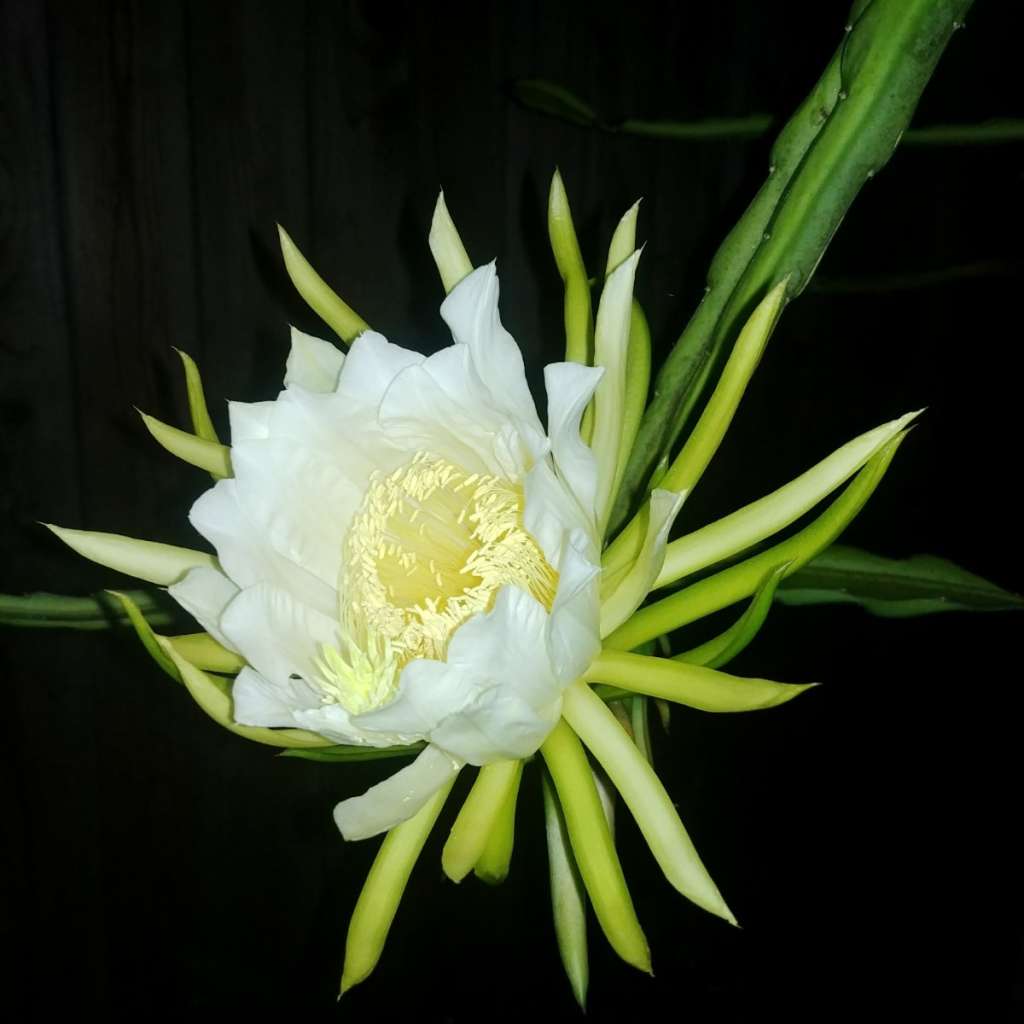
By replicating these natural conditions, you can give your plant the best chance to flower. Dragon fruit plants are night-blooming cacti, meaning they typically open their flowers during the night, which is essential for successful pollination.
2. Optimal Temperature Conditions for Flowering
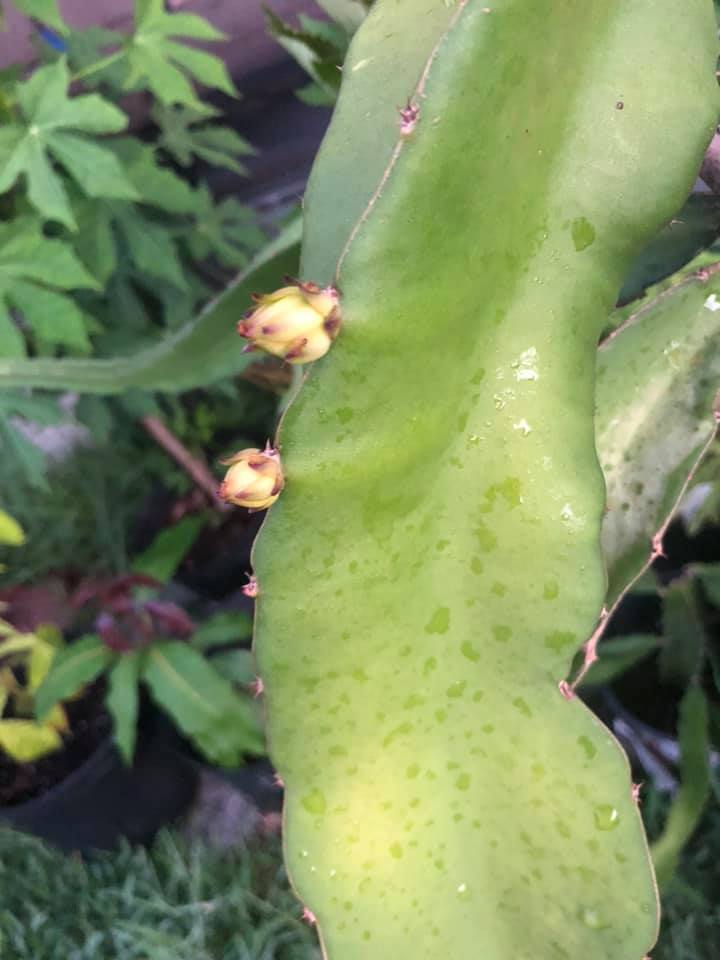
Temperature is one of the most critical factors in encouraging your dragon fruit plant to flower. While dragon fruit can tolerate a range of temperatures, they typically prefer warm temperatures to promote flowering. The ideal temperature range for flowering is between 65°F (18°C) and 85°F (29°C).
If the temperatures are too cold, especially below 50°F (10°C), the plant will enter dormancy and may not flower. On the other hand, excessively high temperatures over 90°F (32°C) can cause stress to the plant, reducing its ability to bloom. In regions where temperatures fall below 50°F, it’s important to either grow the plant in a greenhouse or bring it indoors during the colder months.
3. Provide Full to Partial Sunlight
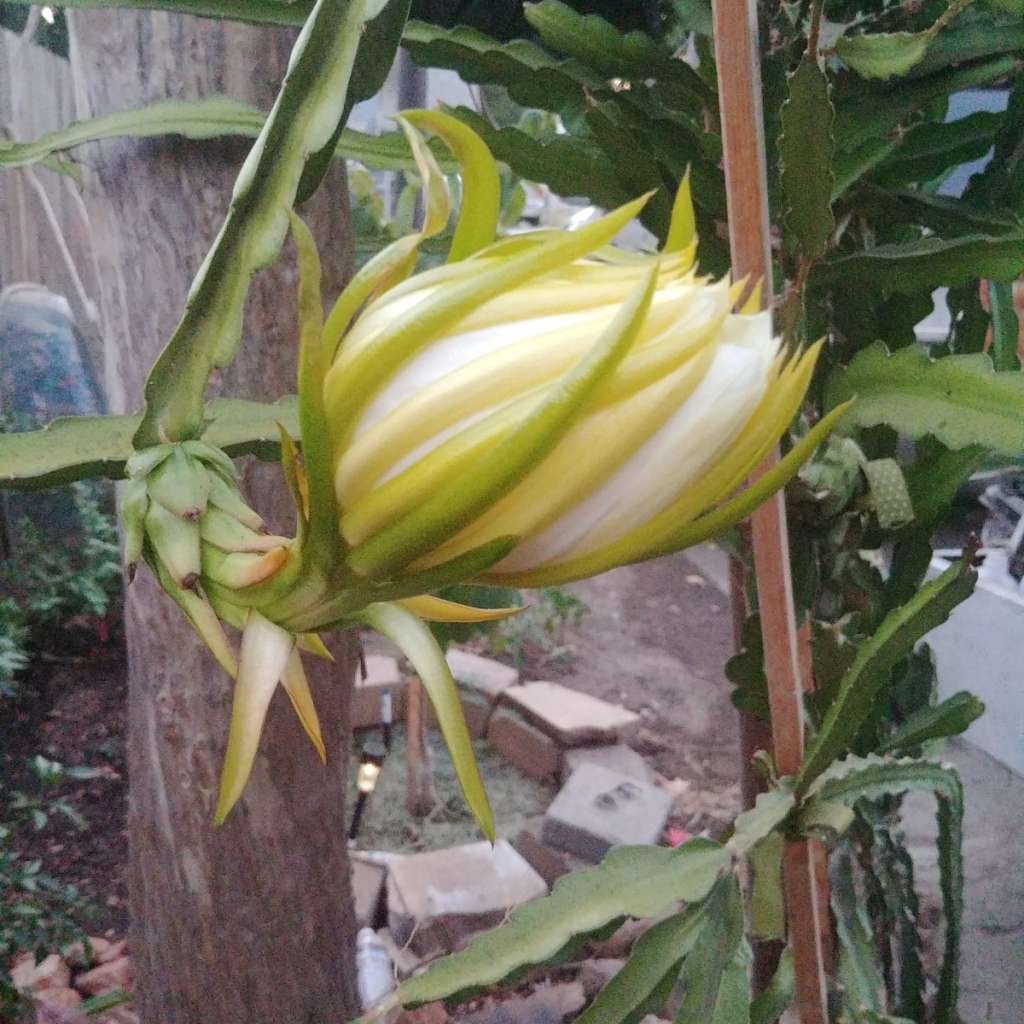
Dragon fruit plants require sufficient sunlight but they do not require plenty of direct sunlight to thrive and produce flowers. These plants need at least 6-8 hours but preferably should be shaded during the harsh days of summer months.
If you are growing dragon fruit indoors, place it near a south-facing window to ensure it gets enough light.
4. Proper Soil and Drainage
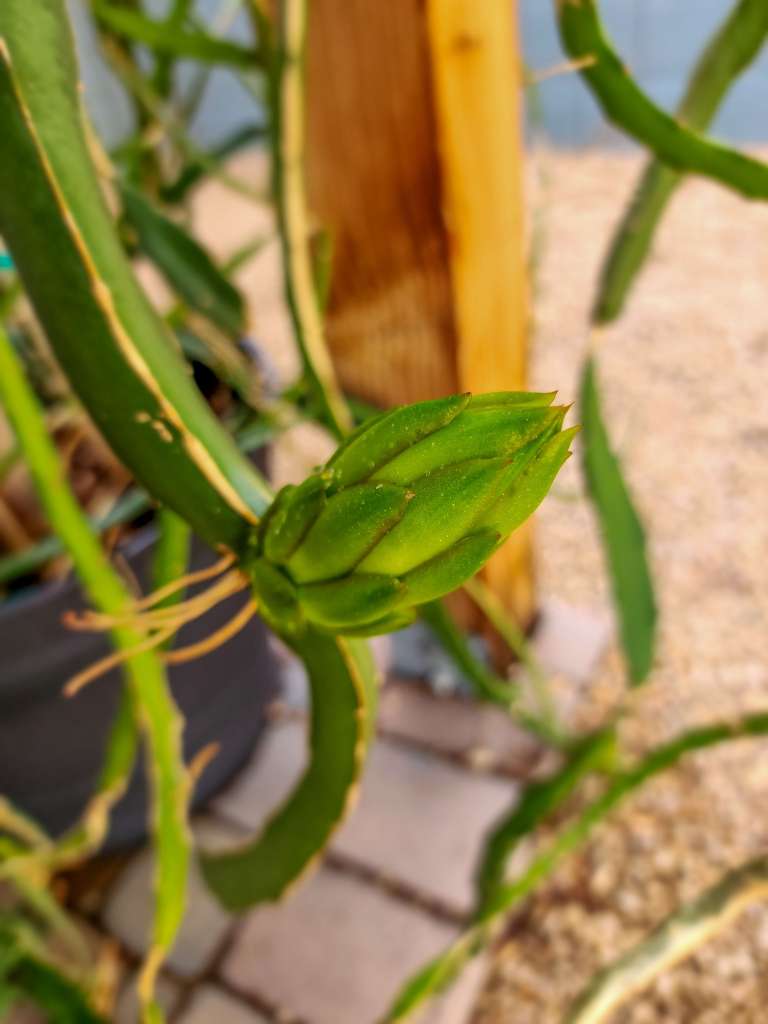
Dragon fruit plants prefer well-draining, slightly acidic soil. To encourage flowering, make sure the soil is rich in organic matter and has good drainage to avoid waterlogging, which can lead to root rot. A mix of cactus soil or cactus mix and perlite or sand is ideal for dragon fruit.
If you are growing dragon fruit in a pot, ensure the container has drainage holes. For outdoor planting, choose a location where water does not pool after rainfall, as standing water can damage the plant’s roots.
5. Pruning and Support Structures
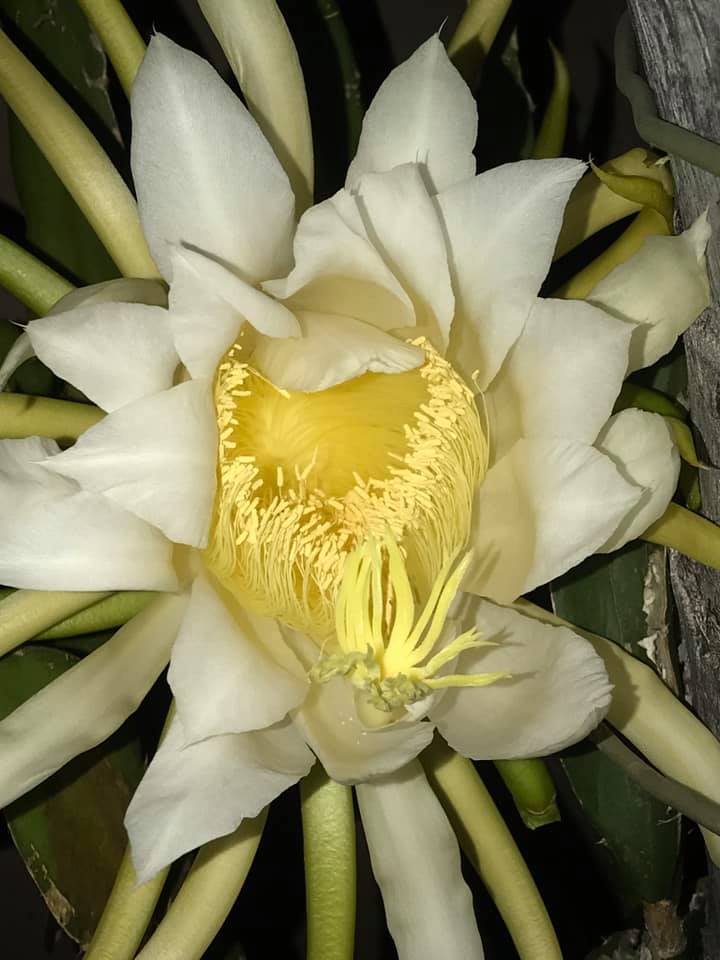
Pruning and providing the right structure for the dragon fruit plant are essential for healthy growth and encouraging flowers. Dragon fruit plants are climbing cacti that need a sturdy structure, such as a trellis or pole, to support their long, sprawling growth. The plant can be pruned to maintain a manageable size and shape, which will encourage stronger growth and more flowers.
Pruning should be done in early spring before the plant begins its growth cycle. Remove any dead or damaged stems and cut back any overgrown sections. This helps the plant conserve energy and directs it towards producing flowers rather than unnecessary vegetative growth. Regularly cutting back the plant helps improve air circulation and light penetration, reducing the risk of disease and encouraging more flowers.
6. Watering Requirements
Dragon fruit plants, being cacti, are somewhat drought-tolerant and prefer to be watered only when the soil is dry to the touch. Overwatering can cause the roots to rot, which may prevent the plant from flowering. When watering, ensure that the soil is thoroughly moistened, but allow the excess water to drain away.
During the growing season, water the plant moderately once a week. However, during the winter or cooler months, reduce watering to avoid waterlogging, as the plant goes into dormancy and requires less water. The key to encouraging flowering is maintaining a balanced watering schedule that promotes healthy growth without overwatering the plant.
How to Get Early Flowering in Dragon Fruit
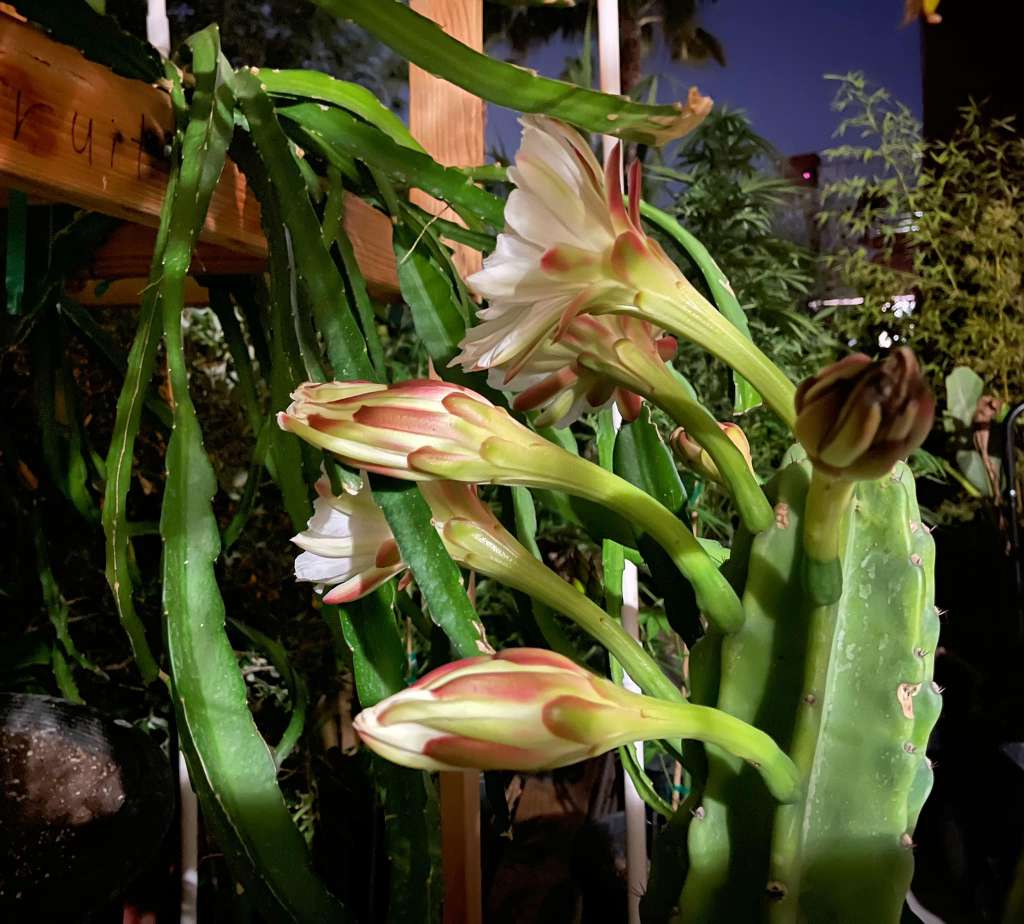
Here are some of the secrets to dragon fruit plant early flowering. These tricks were initially shared to us by a Vietnamese friend, and we’ve been implementing them for a few years now and they worked like a charm.
As you may know, usually dragon fruit plants start to flower on June, so following below tricks, the plants can start flowering a month or two earlier. Now for sure this will depend on the dragon fruit variety as well and some other factors, but this definitely helps and worth the try.
Trimming New Growth in Late Winter, Early Spring
In later winter, early spring, trim all new growth, removing branches that are 2-8 inches ( 5-20 cm) long. This should be done for fully mature dragon fruit plants, typically ones that are 2 to 3 years old. After removing the branches, the plant will produce more growth, so continue to remove it as well.
This proven method places some stress on the plants, encouraging them to enter survival mode and, in turn, promoting flowering.
Promote Some More Stress
While it may seem counterintuitive, a bit of controlled stress can encourage your dragon fruit plant to flower. In nature, cacti often bloom when they experience stress, such as a lack of water or a temperature shift. This is the plant’s natural way of ensuring reproduction before potentially dying due to harsh conditions.
To simulate this stress, reduce the watering frequency slightly for a short period (about 2-3 weeks). Make sure the plant doesn’t completely dry out, but water it less than usual. This stress will signal the plant that it’s time to bloom and reproduce.
Grow Light
Grow lights promote flowering in dragon fruit by mimicking natural light cycles and providing the correct light spectrum. Dragon fruit is photoperiod-sensitive, meaning it requires specific light and dark periods to trigger flowering. Grow lights help simulate the ideal day length, especially during winter or in low-light environments.
By using red and blue wavelengths, which are crucial for flowering and healthy growth, grow lights can stimulate the plant’s flowering process. In addition to that, grow lights can extend the day length, ensuring the plant receives 12-14 hours of light per day, further promoting flower development.
Phosphorus and Boron
For those who want to use chemical solutions, phosphorus and boron are known to play crucial roles in promoting flowering in dragon fruit.
Phosphorus is essential for energy transfer and supports the formation of flowers by encouraging the development of strong roots and healthy plant growth. It aids in the synthesis of important molecules which in turn fuel plant processes, including flowering.
Boron, on the other hand, is vital for the formation of cell walls and the transport of sugars and other nutrients throughout the plant. It also helps regulate the plant’s hormone balance, which influences flower development.
Together, these two nutrients ensure proper and early flower formation, improve fruit set, and contribute to a higher yield.
FAQs
To encourage flowering, make sure your dragon fruit plant gets enough sunlight and is in a warm environment. Regular watering, but not over-watering, is important.
Your dragon fruit may not be flowering due to factors like insufficient sunlight, improper watering, lack of pollination, or the plant’s age, as it typically takes a few years to mature enough to bloom.
Dragon fruit plants usually flower in late spring to early summer, but it can vary depending on climate and care. Some plants might flower as soon as 1-2 years after planting if conditions are optimal.
Yes, stress can sometimes trigger flowering. For example, reducing water or exposing the plant to slightly cooler temperatures for a short period might encourage it to flower.
Sign up to get our FREE weekly emails
Gardening guides, tips, & videos delivered right to your inbox!