Rhubarb is a perennial vegetable often grown for its tart, red stalks, which are commonly used in pies, jams, and sauces. While it is relatively low-maintenance, rhubarb can greatly benefit from companion planting. Companion planting is the practice of growing certain plants together to improve growth, deter pests, and enhance soil health. By strategically planting rhubarb alongside compatible plants, you…
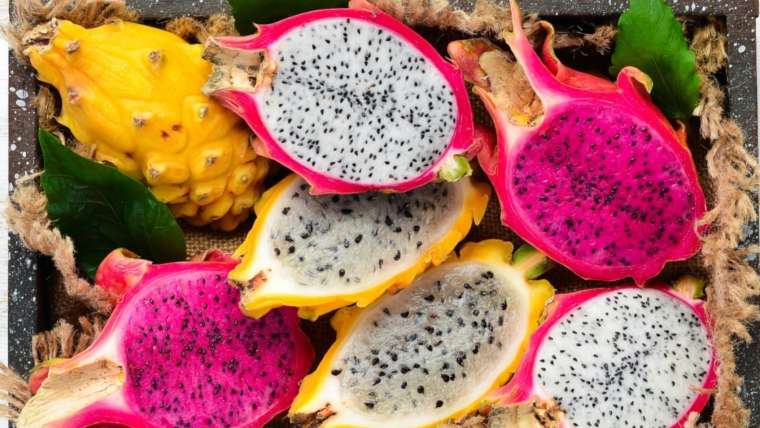
Dragon fruit, also known as pitaya or pitahaya, is a tropical fruit that has been gaining popularity worldwide due to its unique appearance, sweet flavor, and numerous health benefits. It’s a member of the cactus family and is native to Central America, although it is now grown in many countries around the world, including Vietnam, Thailand, some parts of the…
Okra, also known as lady’s finger or gumbo, is a warm-season vegetable known for its edible green pods. It thrives in hot climates, making it a staple in many home gardens, especially in the southern United States, Africa, and parts of Asia. While okra is relatively easy to grow, it can benefit significantly from companion planting, a gardening practice where…
Cabbage is a staple in many home gardens, offering a rich source of nutrients, including vitamins C and K. The thing is though, growing cabbage successfully requires some planning, as it is susceptible to pests and diseases. One of the best ways to promote healthy cabbage growth while naturally deterring pests and improving soil conditions is through companion planting. Companion…
Companion planting is a technique used by gardeners to improve the growth and vitality of plants, as well as enhance pest control, improve soil health, and maximize space in the garden. Lavender, known for its tolerance to dry conditions and its preference for well-draining soil, can benefit significantly from companion planting in several ways. By pairing lavender with the right…
Roses. Simple name, but let me tell you, they’re a damn beautiful obsession. If you’ve never gotten close enough to appreciate one, think of them as the ultimate mix of elegance and attitude, like if a flower decided to throw a party and still look flawless while doing it. Soft, fragrant, and with a touch of mystery, roses are a…
Roses are the quintessential garden flower, beloved for their beauty, fragrance, and symbolism. However, growing healthy and vibrant roses can be a challenge due to pests, diseases, and soil conditions. One of the most effective and natural ways to enhance rose health and aesthetics is through companion planting. By strategically selecting and planting companion plants around your roses, you can…
Of the many trees I have grown over the years, peach trees are definitely some of the easiest to grow. They are a delightful addition to any garden, offering juicy, sweet fruits that are as versatile in the kitchen as they are delicious straight from the branch. But keep in mind that growing peach trees isn’t without its challenges. They…
Companion planting is an age-old gardening practice that involves strategically placing plants together to enhance their growth, deter pests, and promote a healthy, thriving garden ecosystem. While fennel is a versatile and aromatic herb loved for its culinary and medicinal uses, it has a reputation for being a challenging companion plant. This post will guide you through the best practices…
Blueberries are one of nature’s healthiest and most delicious fruits, beloved for their vibrant flavor and packed with antioxidants. Growing your own blueberry bushes can be a rewarding experience, but it does come with some challenges. These acid-loving plants require specific soil conditions and care, and they can greatly benefit from companion planting. By carefully selecting companion plants, you can…