
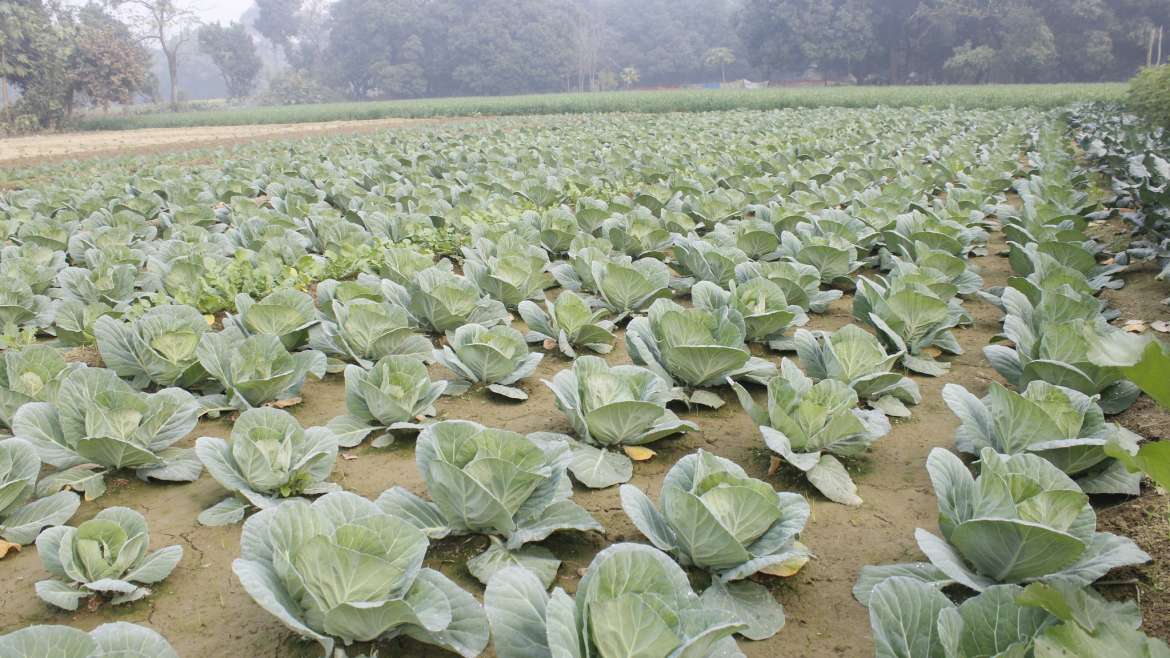
Cabbage is a staple in many home gardens, offering a rich source of nutrients, including vitamins C and K. The thing is though, growing cabbage successfully requires some planning, as it is susceptible to pests and diseases.
One of the best ways to promote healthy cabbage growth while naturally deterring pests and improving soil conditions is through companion planting. Companion planting is the strategic placement of plants that benefit each other when grown together.
In this guide, we’ll explore why companion planting is beneficial for cabbage, which plants make the best companions, and how to optimize your garden for thriving cabbage crops.
Why You Should Consider Companion Planting for Cabbage

Companion planting has been practiced for centuries to enhance plant health, deter pests, and improve yields. When growing cabbage, companion planting offers multiple benefits:
1. Natural Pest Control
Cabbage is a magnet for common garden pests like cabbage loopers, aphids, cabbage worms, and flea beetles. Many companion plants produce strong scents or chemicals that naturally deter these pests, reducing the need for chemical pesticides. For example, marigolds and aromatic herbs like rosemary and thyme repel cabbage moths and other harmful insects.
2. Improved Soil Health
Certain companion plants improve soil structure and fertility by fixing nitrogen or adding organic matter. Legumes, such as beans and peas, enrich the soil with nitrogen, a vital nutrient for cabbage growth. Deep-rooted plants like carrots help loosen compacted soil, making it easier for cabbage roots to access nutrients.
3. Enhanced Growth and Flavor
Some plants improve the taste and growth rate of cabbage by releasing beneficial chemicals into the soil. For example, chamomile and dill are known to enhance the flavor of cabbage while also attracting beneficial pollinators.
4. Space Optimization
Companion planting allows gardeners to make the most of their available space by interplanting crops that grow well together. For example, shallow-rooted lettuce can be planted between cabbages, utilizing garden space efficiently without competing for nutrients.
Best Companion Plants for Cabbage
Choosing the right companion plants for cabbage is key to maximizing its health and yield. Here are some of the best companion plants to consider:
1. Aromatic Herbs
Herbs are excellent companions for cabbage because they repel common pests while enhancing the overall garden ecosystem.
- Dill – Attracts beneficial insects that prey on cabbage pests.
- Thyme – Repels cabbage worms and whiteflies.
- Rosemary – Deters cabbage moths and flea beetles.
- Sage – Helps repel cabbage moths while adding fragrance to the garden.
2. Vegetables
Certain vegetables complement cabbage growth by improving soil conditions or deterring pests.
- Carrots – Loosen soil and create space for cabbage roots to grow more easily.
- Onions and Garlic – Their strong scent deters cabbage moths, aphids, and other pests.
- Celery – Improves cabbage growth and helps deter insects.
- Beets – Do not compete with cabbage for nutrients and help improve soil structure.
3. Flowers
Flowering plants add beauty to the garden while attracting beneficial insects.
- Marigolds – Repel aphids, nematodes, and cabbage pests.
- Nasturtiums – Act as a trap crop, attracting aphids and cabbage worms away from cabbage.
- Calendula – Attracts pollinators and beneficial insects that help control pest populations.
4. Legumes
Nitrogen-fixing plants are beneficial for improving soil fertility.
- Beans – Fix nitrogen in the soil, promoting healthier cabbage growth.
- Peas – Act as natural soil fertilizers while providing shade for young cabbage plants.
Tips for Growing Companion Plants with Cabbage
To achieve the best results, proper planning and implementation of companion planting techniques are essential. Here are some tips for successfully growing cabbage alongside companion plants:
1. Plan Your Garden Layout Carefully
Before planting, consider the spacing needs of both cabbage and its companion plants. Cabbage heads grow large and require adequate space for proper air circulation. Interplanting with smaller plants like herbs and flowers helps maximize space while keeping the garden balanced.
2. Rotate Crops Annually
To prevent soil depletion and reduce the risk of disease buildup, practice crop rotation. Avoid planting cabbage or other brassicas (broccoli, cauliflower, Brussels sprouts) in the same spot year after year.
3. Use Trap Crops to Distract Pests
Some plants, like nasturtiums, can be used as trap crops to attract pests away from your cabbage. Plant them along the edges of your garden to lure aphids and cabbage worms away from the main crop.
4. Incorporate Mulching
Mulching around cabbage plants helps retain soil moisture, suppress weeds, and provide insulation. Organic mulches like straw or wood chips create a favorable environment for beneficial insects and earthworms, which improve soil health.
5. Avoid Incompatible Plants
Not all plants work well with cabbage. Avoid planting cabbage near strawberries, tomatoes, pole beans, and peppers, as they can hinder its growth or attract pests that harm cabbage plants.
6. Water and Fertilize Wisely
Cabbage requires consistent moisture, but too much water can lead to root rot. Water at the base of the plants early in the morning to prevent fungal diseases. Adding compost or organic fertilizer will help sustain healthy growth.
7. Encourage Pollinators and Beneficial Insects
A healthy garden ecosystem includes predatory insects like ladybugs, lacewings, and parasitic wasps that feed on cabbage pests. Growing flowers and herbs that attract these beneficial insects helps maintain natural pest control.
Conclusion
Companion planting for cabbage is a highly effective and natural way to enhance plant health, deter pests, and improve garden productivity. By carefully selecting the right companion plants, you can create a thriving garden that benefits from natural pest control, improved soil fertility, and optimized growing conditions.
Sign up to get our FREE weekly emails
Gardening guides, tips, & videos delivered right to your inbox!


