Companion planting is an age-old gardening practice that involves strategically placing plants together to enhance their growth, deter pests, and promote a healthy, thriving garden ecosystem. While fennel is a versatile and aromatic herb loved for its culinary and medicinal uses, it has a reputation for being a challenging companion plant.
This post will guide you through the best practices for companion planting with fennel, including its benefits, ideal partners, and tips for successful growth.
Why You Should Consider Companion Planting for Fennel
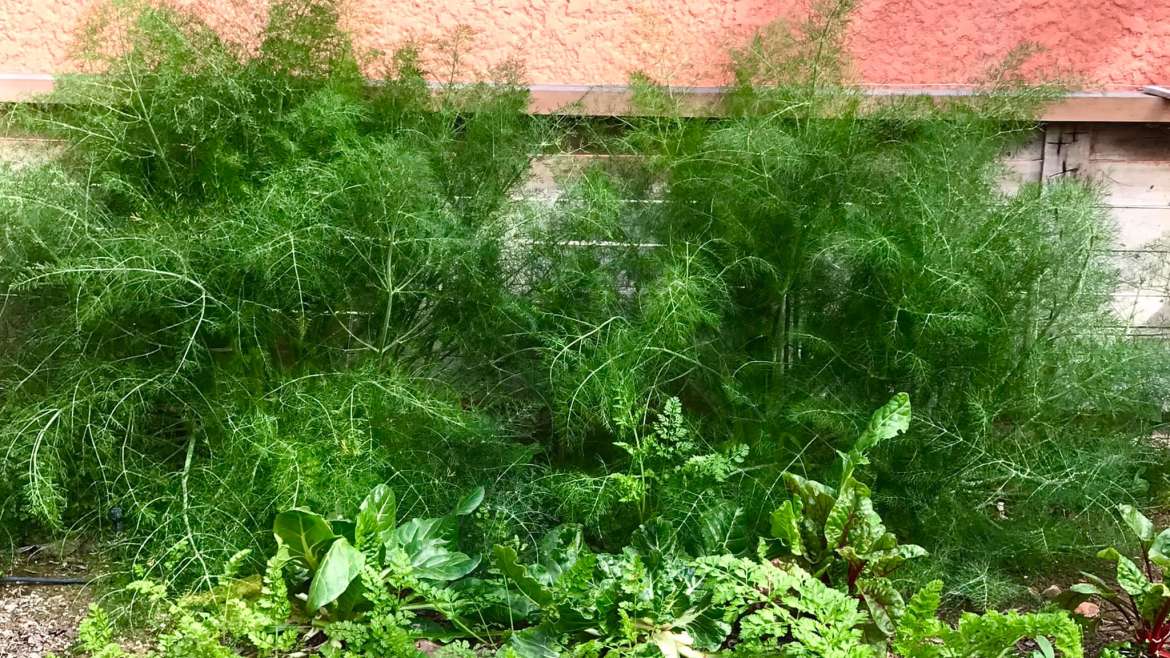
Fennel is a robust and highly aromatic plant, making it both a blessing and a challenge in companion planting. Its strong scent can repel certain pests, making it an excellent addition to the garden when used correctly.
However, it also produces allelopathic chemicals that can inhibit the growth of some neighboring plants. Understanding fennel’s unique properties and knowing how to manage its interactions with other plants is key to leveraging its benefits while minimizing any negative effects.
Benefits of Companion Planting with Fennel:
- Natural Pest Repellent: Fennel’s strong aroma deters a variety of garden pests, including aphids, slugs, and snails. Its presence can help protect other plants from infestations.
- Pollinator Attraction: Fennel’s delicate, umbrella-shaped flowers attract pollinators such as bees and beneficial insects like ladybugs and parasitic wasps. These insects not only aid in pollination but also help control pests naturally.
- Diverse Garden Ecosystem: When planted strategically, fennel can contribute to a balanced ecosystem in your garden, promoting biodiversity.
Despite these benefits, fennel’s allelopathic tendencies mean that it should be paired carefully to avoid stunting the growth of sensitive plants. Let’s explore the best companion plants for fennel and how to cultivate them successfully.
Best Companion Plants for Fennel

Fennel’s compatibility with other plants is somewhat limited, but it can thrive when paired with certain species. The key is to choose plants that can tolerate fennel’s growth habits and benefit from its properties.
- Dill (Anethum graveolens):
- Dill and fennel belong to the same family (Apiaceae) and share similar growing conditions. While these two herbs can coexist, it’s important to note that they can cross-pollinate, which may affect the quality of seeds if you’re planning to harvest them. To avoid this, grow them in separate areas if seed purity is essential.
- Carrots (Daucus carota):
- Carrots benefit from fennel’s ability to attract predatory insects, which help control pests that target carrot foliage. However, space them adequately to avoid competition for nutrients.
- Tomatoes (Solanum lycopersicum):
- Although not a common choice, tomatoes can sometimes coexist with fennel when planted at a distance. Fennel’s pest-repellent properties can protect tomatoes from common nuisances like whiteflies and aphids.
- Lettuce (Lactuca sativa):
- Lettuce can tolerate fennel when grown at a reasonable distance. Fennel’s shade can provide relief for lettuce during hot summer months, reducing the risk of bolting.
- Brassicas (e.g., Cabbage, Broccoli, Kale):
- Members of the Brassica family are often compatible with fennel. Fennel’s strong aroma confuses pests that target these crops, providing a natural layer of protection.
- Herbs with Similar Growth Habits:
- Herbs like mint, thyme, and oregano can be planted near fennel, as they share similar preferences for well-drained soil and full sun. However, ensure they are planted in containers or raised beds to prevent fennel’s allelopathic effects from interfering with their growth.
Plants to Avoid Planting Near Fennel
While fennel has its advantages, there are several plants that should be kept at a distance due to its tendency to inhibit growth. Avoid planting fennel near:
- Beans and Peas: These legumes struggle to thrive near fennel due to its allelopathic compounds.
- Basil: The growth of basil can be negatively affected by fennel.
- Cucumbers: Fennel can stunt cucumber growth, making them poor companions.
- Most Nightshades: While tomatoes can sometimes coexist with fennel, other nightshades like peppers and eggplants are less tolerant.
- Parsley and Cilantro: Despite being part of the same family, these herbs often compete with fennel and fail to thrive when planted nearby.
Tips for Growing Companion Plants with Fennel
To make the most of companion planting with fennel, it’s essential to consider spacing, soil quality, and plant interactions. Here are some practical tips:
- Strategic Placement:
- Plant fennel on the outskirts of your garden or in a dedicated herb bed. This minimizes its impact on sensitive plants and allows you to leverage its benefits without risking allelopathy.
- Use Containers:
- Growing fennel in containers is an excellent way to enjoy its advantages without interfering with other plants. Place the containers strategically near compatible plants to repel pests and attract pollinators.
- Maintain Adequate Spacing:
- Ensure that there is sufficient space between fennel and its companions to reduce competition for nutrients and prevent its roots from releasing allelopathic chemicals into the soil.
- Regular Soil Monitoring:
- Test the soil regularly to ensure it remains fertile and well-drained. Fennel thrives in slightly acidic to neutral soil (pH 6.0 to 7.0).
- Provide Full Sun:
- Fennel requires plenty of sunlight to grow robustly. Ensure its location receives at least six hours of direct sunlight daily.
- Encourage Pollinators:
- Allow fennel to flower, as its blooms are a magnet for bees, butterflies, and beneficial insects. These pollinators will also benefit your other garden plants.
- Practice Crop Rotation:
- Rotate fennel with other crops each year to prevent soil depletion and reduce the risk of pests and diseases.
- Control Cross-Pollination:
- If growing other plants from the Apiaceae family, such as dill or coriander, be mindful of potential cross-pollination. Separate them by sufficient distances to maintain the integrity of their seeds.
- Prune Regularly:
- Trim fennel’s foliage to prevent it from overshadowing smaller plants. Regular pruning also encourages bushier growth.
- Water Consistently:
- While fennel is relatively drought-tolerant, companion plants may require consistent moisture. Ensure that your watering schedule meets the needs of all plants in the vicinity.
Conclusion
Fennel can be a valuable addition to your garden when paired thoughtfully with compatible plants. Its ability to repel pests and attract pollinators makes it a powerhouse herb, but its allelopathic properties require careful consideration in companion planting.
By selecting the right plants, utilizing containers, and following best practices, you can enjoy the benefits of fennel while maintaining a harmonious and productive garden. Whether you’re growing it for its feathery foliage, flavorful seeds, or fragrant blooms, fennel has much to offer when cultivated with care.
Sign up to get our FREE weekly emails
Gardening guides, tips, & videos delivered right to your inbox!