

Mango trees are cherished for their delicious, juicy fruit and their tropical appeal. However, growing mangoes isn’t as simple as planting a tree and waiting for the harvest. Mango trees thrive best when their environment is optimized, and this is where companion planting comes into play.
Companion planting is a gardening technique that involves growing different plants together to benefit one another. Whether it’s enhancing growth, improving soil health, or keeping pests at bay, the right companions can make a significant difference in the health and productivity of your mango tree.
In this article, we’ll explore the benefits of companion planting for mango trees, discuss the best plants to pair with mangoes, highlight those you should avoid, and provide tips for successfully growing companion plants with mango trees.
Why You Should Consider Companion Planting for Mango Trees
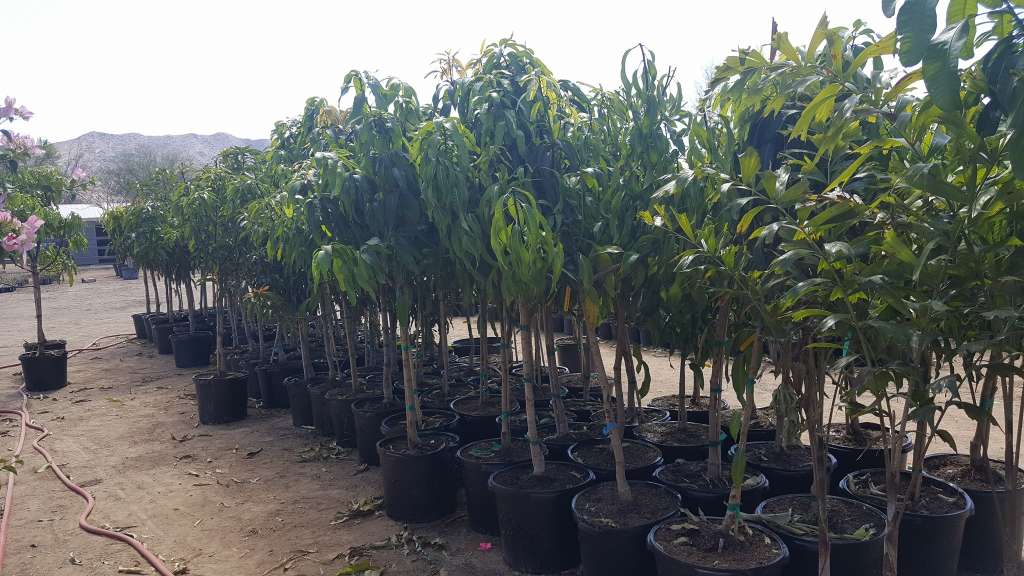
Mango trees are tropical and subtropical plants, and like all trees, they require specific growing conditions to thrive. Companion planting can help you create an environment where your mango tree has the best chance of flourishing by providing several key benefits:
- Improved Soil Health: Some companion plants can improve soil structure, increase nutrient availability, and help the mango tree access vital nutrients. For example, leguminous plants can fix nitrogen in the soil, benefiting the surrounding plants, including mango trees, that are heavy feeders.
- Pest Control: Certain plants are known to repel pests that commonly target mango trees, such as aphids, mealybugs, and fruit flies. By growing these plants alongside mango trees, you can reduce the risk of pest infestations naturally, without the need for harmful chemicals.
- Enhanced Growth: Companion plants can provide shade, reduce soil erosion, and help retain moisture in the soil. This can be particularly important in hot climates where mango trees may struggle during dry spells.
- Pollination Support: While mango trees are primarily pollinated by wind and insects, some companion plants can attract pollinators, ensuring that your mango tree has a greater chance of producing fruit.
- Aesthetic Appeal: Mango trees are beautiful, but their full potential can be enhanced with the right combination of flowers, shrubs, or ground cover. Companion plants can add color, texture, and dimension to your garden while benefiting the mango tree.
Best Companion Plants for Mango Trees
When selecting companion plants for mango trees, it’s essential to focus on those that provide benefits such as improved soil fertility, pest control, and support for growth. Here are some of the best companion plants for mango trees:
- Leguminous Plants (e.g., Beans, Peas, and Clover): Legumes are excellent companions for mango trees because they have a unique ability to fix nitrogen in the soil. This process increases the nitrogen levels in the soil, which is beneficial for mango trees, as they are heavy feeders that require ample nutrients to thrive. Plants like beans, peas, and clover can improve soil fertility while not competing directly with the mango tree for resources.
- Marigolds: Marigolds are one of the most popular companion plants for many types of fruit trees, including mangoes. They are known for their pest-repellent properties, particularly against aphids, whiteflies, and nematodes. Marigolds’ strong scent is said to deter these harmful insects, keeping your mango tree healthier and more productive.
- Garlic and Chives: Garlic and chives are natural pest repellents that work well around mango trees. Their strong aroma can ward off insects like aphids and fruit flies that may otherwise harm the mango tree. Additionally, these plants are low-maintenance and can be easily interspersed around the mango tree without competing for space.
- Sweet Potatoes: Sweet potatoes are an excellent ground cover plant to grow alongside mango trees. Their vines help suppress weeds and provide additional shade to the soil, which can be beneficial in maintaining consistent moisture levels. Sweet potatoes also benefit from the nutrients in the soil created by the mango tree’s root system.
- Nasturtiums: Nasturtiums are another beneficial companion plant that works well in the garden when paired with mango trees. They attract beneficial insects like ladybugs, which feed on harmful pests such as aphids. Additionally, nasturtiums’ peppery aroma acts as a deterrent for unwanted insects, offering protection to the mango tree.
- Aloe Vera: Aloe vera is not only known for its medicinal properties but also makes a great companion for mango trees. Aloe plants have deep roots that help with soil aeration, and they are drought-tolerant, making them ideal for dry climates. Aloe vera can also attract pollinators, which may enhance the mango tree’s fruiting potential.
- Citrus Trees: Pairing mango trees with other fruit trees, such as citrus, can help create a diverse and balanced ecosystem. Citrus trees like lemon or lime can help attract pollinators and improve pest control. Additionally, they don’t compete excessively with mango trees for resources, making them suitable companions.
Plants to Avoid Planting Near Mango Trees
While many plants can benefit mango trees, there are also several that you should avoid planting near them. These plants can either compete for nutrients, attract pests, or create unfavorable growing conditions for mango trees. Here are some plants to steer clear of:
- Eucalyptus Trees: Eucalyptus trees are known for their strong, shallow root systems that compete with other plants for water and nutrients. Their large, fast-growing roots can overwhelm the mango tree’s roots, stunting its growth. Additionally, eucalyptus leaves release allelopathic chemicals that can inhibit the growth of nearby plants.
- Other Large Fruit Trees: Avoid planting other large fruit trees, such as avocados, too close to your mango tree. These trees have similar nutrient requirements and large root systems that can compete with your mango tree for water and nutrients.
- Fennel: Fennel is another plant to avoid near mango trees. While it may look attractive, fennel is a vigorous grower with deep roots that can siphon nutrients away from the mango tree. Fennel is also known for attracting aphids, which can be harmful to the mango tree.
- Cabbage and Other Brassicas: Brassicas, such as cabbage, cauliflower, and broccoli, can attract pests like aphids and caterpillars, which can harm your mango tree. These plants may also compete for nutrients and space, leading to poor growth for your mango tree.
- Mint: Mint is an aggressive grower that can spread rapidly through the garden. While it does have some pest-repelling properties, it can quickly become invasive, taking over the area around the mango tree. Mint can also compete for water and nutrients, stunting the growth of the mango tree.
Tips for Growing Companion Plants with Mango Trees
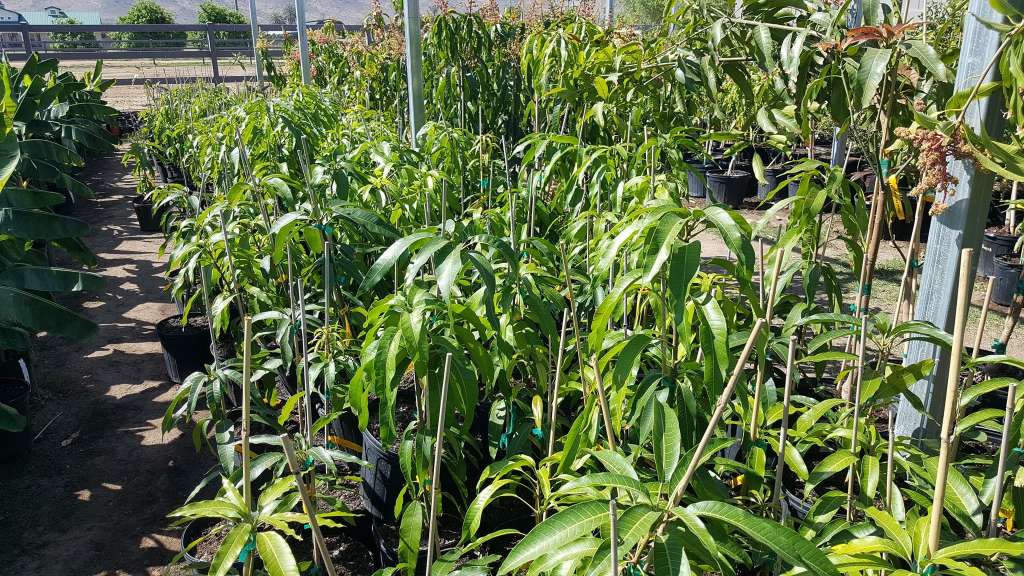
To ensure the success of companion planting with mango trees, consider these tips for growing plants together:
- Space Plants Properly: Mango trees have large, sprawling canopies and deep root systems. When choosing companion plants, ensure they are spaced far enough apart to avoid overcrowding. Leave enough room for both the mango tree and the companion plants to thrive.
- Consider the Soil: Mango trees prefer well-draining soil, so ensure that the soil around the tree is suitable for both the mango and companion plants. Consider the water and nutrient needs of your companion plants to avoid competition and ensure mutual benefits.
- Use Mulch: Applying mulch around the base of the mango tree can help retain moisture in the soil, prevent weed growth, and regulate temperature fluctuations. Mulch also provides a fertile environment for beneficial microorganisms that support both the mango tree and its companions.
- Monitor for Pests: While companion plants can help control pests, it’s still essential to monitor your mango tree regularly for signs of pests or diseases. Act quickly if you notice any infestations to prevent damage to your tree.
- Rotate Companion Plants: To maintain soil health, rotate companion plants around the mango tree every few years. This will prevent nutrient depletion in the soil and reduce the risk of pest build-up.
Conclusion
Companion planting is a wonderful way to support the health and productivity of mango trees. By selecting the right companions, you can enhance soil fertility, repel pests, improve moisture retention, and encourage healthy growth for your mango tree. Regardless if it’s leguminous plants, marigolds, or sweet potatoes, the right combination can create a harmonious garden environment. Avoiding plants that compete for resources or attract pests is equally important to ensure that your mango tree thrives.
Sign up to get our FREE weekly emails
Gardening guides, tips, & videos delivered right to your inbox!


